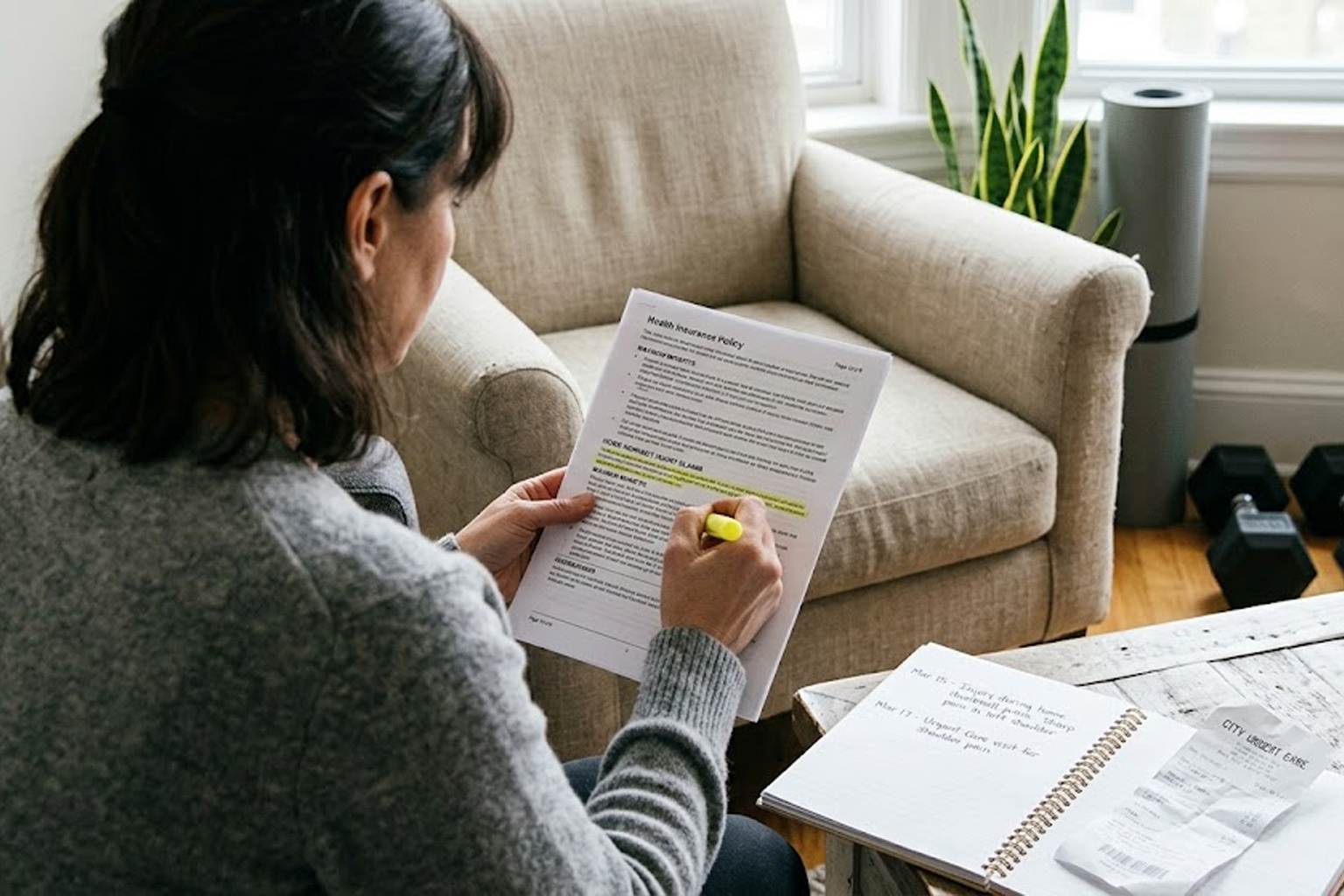
Reviewing a health insurance policy can feel technical, especially when you want to understand how home workouts fit into coverage. This article breaks down the key policy components that commonly affect care after a home exercise injury. It focuses on practical markers like network rules, emergency care, and documentation. The goal is to help readers identify what matters most when using insurance for at-home fitness incidents.
With clearer expectations, you can reduce surprises and make better decisions about care and claims. The next sections outline actionable checks and preparation tips.
Understanding Policy Basics
Start by locating the sections of your policy that describe covered services, exclusions, and definitions of emergency versus routine care. Pay attention to deductible amounts, coinsurance rates, and whether physical therapy or urgent care visits require preauthorization. Also note any language about activities undertaken at home or exclusions related to sports and leisure injuries. These elements shape whether a visit after a workout will be paid, partially covered, or denied.
Reading these basics first saves time when you need care. It also helps you compare plans with clearer criteria.
Assessing Coverage for Home Workout Incidents
When an injury occurs, know which providers are in-network and how emergency services are treated under your plan. Many policies cover emergency care broadly but apply different cost-sharing rules for in-network versus out-of-network providers. Physical therapy, imaging, and specialist follow-ups may require referrals or prior authorization to be covered at full value. Understanding these distinctions influences where you seek care after a home workout injury.
Keeping a quick reference of in-network urgent care locations and telehealth options reduces uncertainty. This preparation helps minimize unexpected costs.
Preparing for Claims and Documentation
Accurate documentation is essential for successful claims: record the incident, keep receipts, and obtain clear clinical notes from treating providers. If you anticipate a claim, ask the provider to include activity context and diagnostic codes when submitting bills. Timely submission and following appeal procedures are important if a claim is initially denied. Familiarize yourself with claim filing timelines and the insurer’s preferred communication channels.
Organizing documents into a single file or folder streamlines the process. Good records also strengthen any needed appeals.
Conclusion
Understanding your policy terms, knowing how emergency and follow-up care are handled, and keeping thorough documentation make navigating claims after a home workout injury much easier. Proactive checks on network providers and authorization rules reduce surprises and unnecessary expenses. With these steps you can protect your health and manage coverage more confidently.