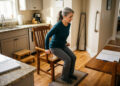
Reviewing your medical insurance with home fitness in mind helps prevent surprises after an injury. Start by noting emergency care, outpatient coverage, and any exclusions that might apply to at-home incidents. Understanding common terms like deductible, copay, and allowed providers will make comparisons more useful. Taking time now can protect both your health and your finances later.
Assess Your Current Policy
Begin by gathering the full policy document and any recent benefit summaries from your insurer. Read the sections on injury care, physical therapy, and durable medical equipment to see what is included for home-related incidents. Pay attention to exclusions tied to non-supervised activities or self-inflicted harm, as these can affect coverage for exercise injuries. Note the in-network vs out-of-network rules and whether telehealth services are accepted for follow-up care.
Document key numbers such as deductibles, out-of-pocket maximums, and any per-incident limits. Keep a short checklist of what to confirm with your insurer during a call or online chat. This organized approach speeds up comparisons and claims if needed.
Identify Common Home Fitness Risks
Different workouts carry different injury profiles: resistance training can strain muscles, while high-impact cardio might affect joints. Consider the types of classes, equipment, and intensity you use at home when estimating potential medical needs. Recognizing likely scenarios helps you prioritize which benefits matter most, such as access to urgent care or outpatient rehabilitation. Insurance that supports timely diagnostics and physical therapy can reduce recovery time.
Match likely risks to policy benefits so you know where gaps exist. This makes discussions with providers and insurers more productive and focused on relevant protections.
Use Policy Language and Definitions
Insurer terminology can change the meaning of coverage quickly, so read definitions carefully in your policy. Words like “medically necessary,” “rehabilitation,” and “accident” have precise meanings that determine benefit eligibility. Ask for written clarifications if any clause seems vague, and request examples of covered and excluded situations. Clear definitions reduce disputes when filing claims.
Track any formal clarifications from your insurer and add them to your checklist. Having written notes can support your case if coverage is questioned after an injury.
When to Consider Supplemental Options
If your primary policy leaves important gaps, look into supplemental plans that cover emergency transport, specific outpatient therapies, or equipment replacement. Short-term accident policies and rider options sometimes provide targeted payouts for treatment or therapy related to exercise injuries. Compare costs against potential out-of-pocket exposure and the likelihood of needing those benefits. Remember that premiums, waiting periods, and preexisting condition rules affect value.
Balance the cost of add-ons against the protection they offer for your typical activity level. Prioritize supplements that address the largest financial risks you identified.
Conclusion
Clarifying coverage for home exercise starts with reading your policy and noting key limits and definitions. Match those details to the specific risks of your routine and consider supplements only when gaps create significant financial exposure. Keep all clarifications in writing so you can act quickly if an injury occurs.