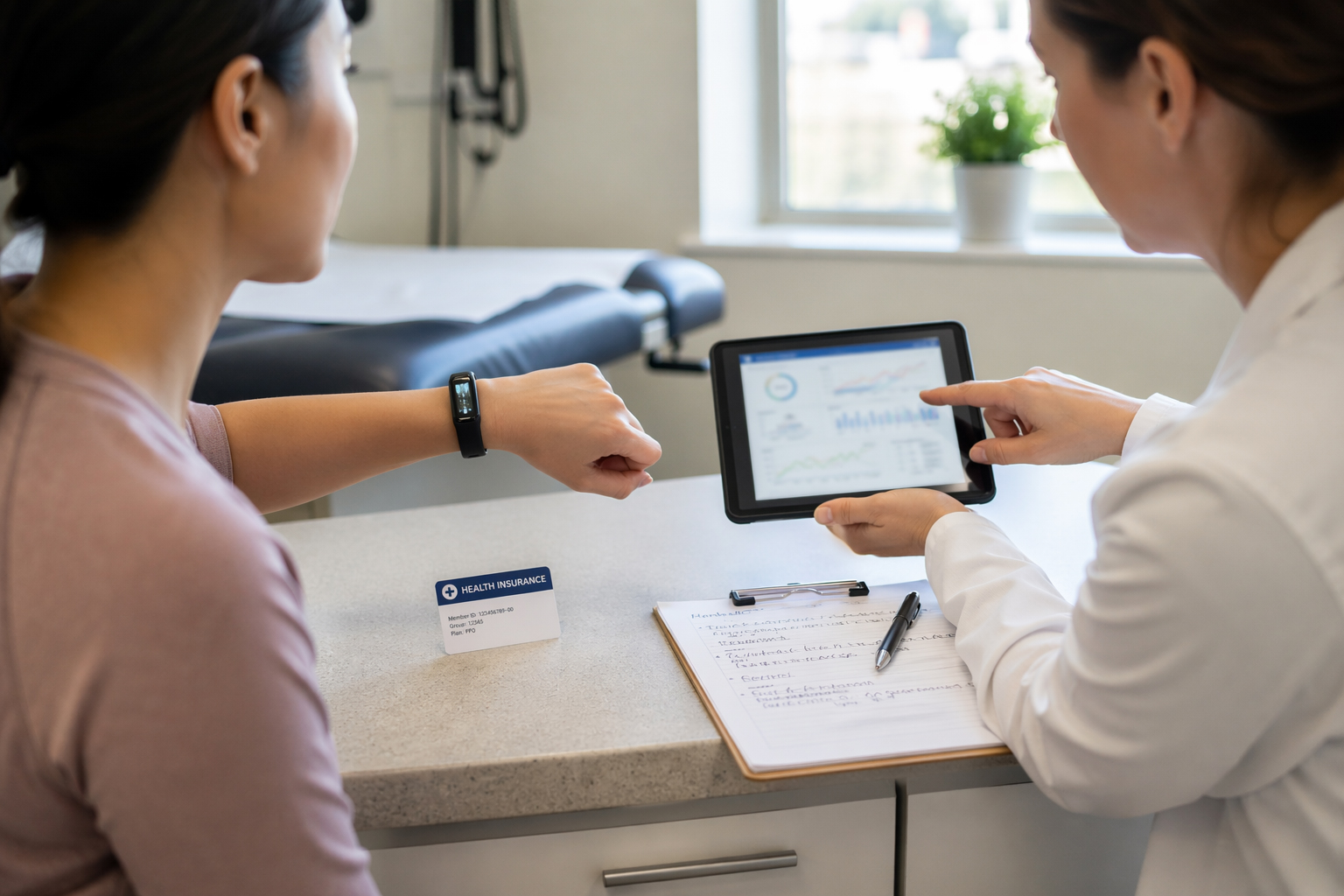
Wearable fitness trackers and smartphone apps collect data about steps, heart rate, sleep and exercise routines that can intersect with medical insurance in useful ways. When used thoughtfully, that information can support preventive care, justify wellness credits, or document activity during rehabilitation. However, translating personal tracking into insurer-recognized evidence requires understanding policy rules, documentation standards and privacy safeguards. This article explains practical steps to align tracking data with coverage and benefits.
Why insurers value fitness data
Insurers increasingly view aggregated activity metrics as indicators of preventive behavior and potential risk reduction. Payouts for wellness programs, premium discounts or care management incentives may rely on demonstrated engagement over time rather than a single measurement. In some cases clinical programs accept monitored activity to support chronic disease management or compliance with rehab plans. Still, each plan treats such inputs differently, and raw data is rarely sufficient without context from providers.
- Wellness credits or discounts tied to verified activity.
- Support for claims when tied to clinician prescriptions.
- Evidence for outcomes-based programs and case management.
Knowing how a plan defines verification is essential. Ask whether screenshots, vendor reports or clinician summaries are acceptable forms of evidence.
Practical ways to use trackers with your plan
Start by reviewing your policy documents and member portal for wellness or telehealth programs that mention activity data. Many insurers partner with specific apps or platforms; enrolling through those partners can streamline eligibility and reporting. When seeking reimbursements for devices or remote monitoring, secure pre-authorization and retain receipts plus device logs. For rehabilitation or preventive services, request written guidance from your clinician that links tracked activity to prescribed milestones.
- Enroll in approved platforms to ensure data is accepted.
- Request pre-authorization for device purchases when possible.
- Keep time-stamped records and clinician notes that reference tracked data.
Documenting how the data supports care recommendations improves the chance it will be recognized. Clear communication between you, your provider and the insurer reduces denials and delays.
Privacy, accuracy, and provider communication
Fitness data raises privacy and accuracy questions that affect insurer use. Confirm how your insurer and any third-party platform handle data, and whether sharing requires separate consent. Be mindful of device limitations — not all trackers meet clinical-grade standards — and annotate anomalies when submitting records. A short clinician summary explaining how the data was interpreted can bridge the gap between personal logs and medical evidence.
- Review privacy policies and consent forms before connecting apps.
- Flag inconsistent readings and include explanatory notes.
- Ask providers to link tracked activity to diagnoses or treatment plans.
Clear documentation and cautious sharing preserve privacy while making tracking more useful to insurers. Collaborate with clinicians to validate important data points.
Conclusion
Fitness tracking can strengthen preventive care claims and wellness benefits when aligned with plan rules. Verify accepted formats, obtain pre-authorization when needed, and document clinician support. Thoughtful use of data protects privacy and increases the likelihood insurers will recognize your activity.