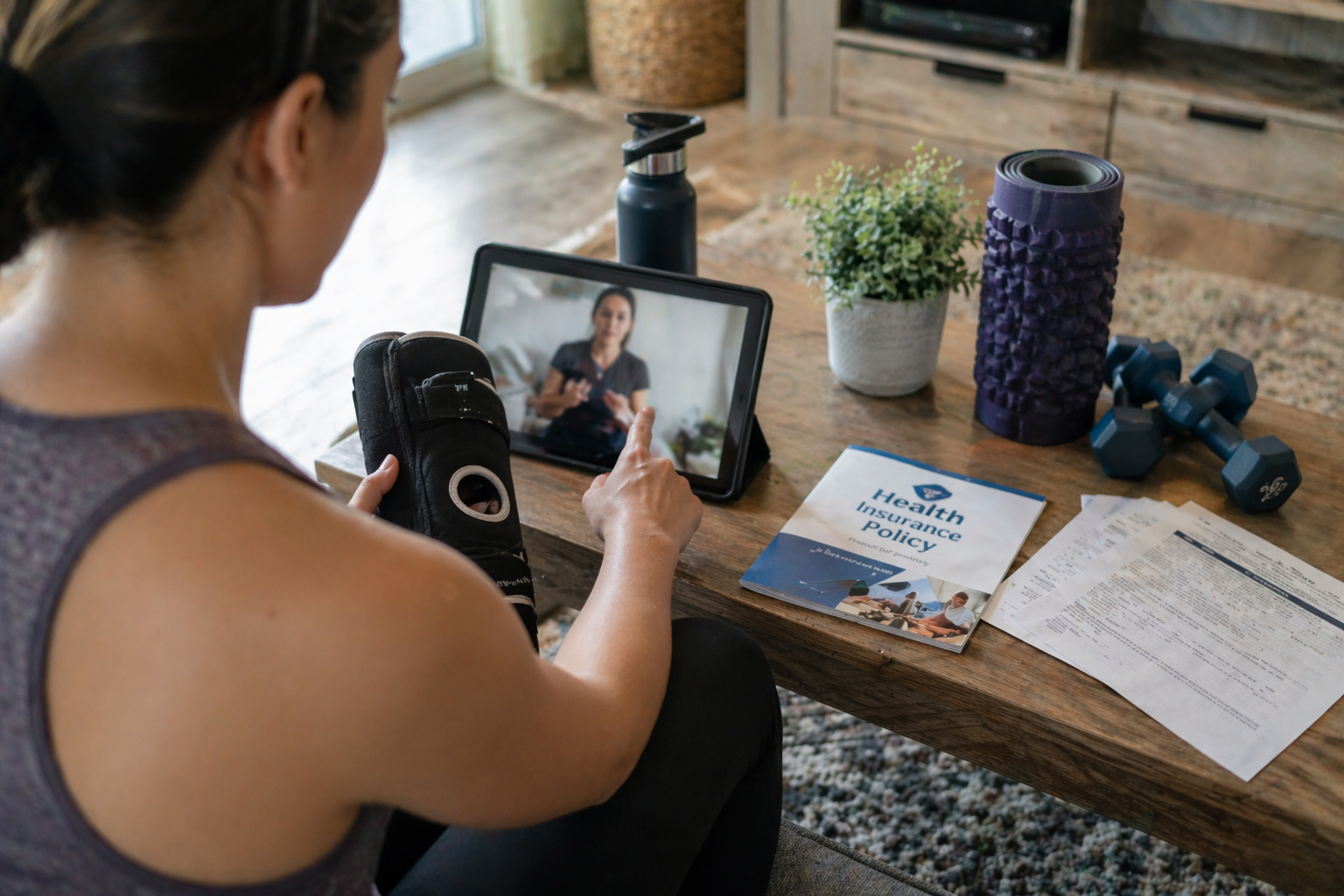
Home workouts are convenient and effective, but they also create specific health considerations for your insurance.
Understanding how plans handle injuries, preventive care, telehealth, and rehabilitation can save money and reduce stress.
This guide walks through practical insurance features to look for and questions to ask insurers.
Use these points to align coverage with the realities of training in a home environment.
Know What Standard Policies Cover
Standard health plans typically cover emergency care, diagnostic tests, and specialist visits, but exclusions and limits vary widely. Many policies do not specifically exclude injuries from home exercise, yet claim approvals can depend on documentation and treatment settings. Verify how your plan defines emergency care versus urgent care and whether telehealth is treated the same as in-person visits. Pay attention to deductible levels, copays, and network restrictions that influence out-of-pocket costs after a workout injury.
Review your policy terms and ask your insurer for examples of similar claims. Clear expectations reduce surprises if you ever need care after training at home.
Prioritize Preventive and Telehealth Benefits
Preventive services and virtual consults can help you manage minor issues without costly clinic visits. Policies that include physiotherapy visits, chronic condition management, and online coaching support long-term fitness goals. Check limits on the number of therapy sessions, any preauthorization requirements, and how telehealth copays compare to office visits. Strong preventive coverage can lower the chance that a small strain evolves into a major expense.
Prioritizing these benefits keeps care accessible and supports consistent training. Ask insurers how they reimburse remote services and allied health providers.
Plan for Rehab and Ongoing Care
Recovery from a sprain or tendon injury often requires multiple therapy sessions and possible imaging or specialist referral. Evaluate whether rehabilitation services are in-network and whether there are visit caps or step therapy rules. Durable medical equipment, like braces or home-use devices, may be covered partially or need prior approval. Knowing coverage details helps you plan timelines and estimate likely personal expenses during recovery.
Documenting treatments and referrals helps support claims for ongoing care. A clear rehab pathway in your plan reduces delays in returning to exercise.
Practical Steps When Choosing a Plan
Start by listing the services you expect to use: telehealth, physio, imaging, and emergency visits. Run sample cost scenarios comparing deductibles, copays, and out-of-pocket maximums to real use cases. Speak with a benefits advisor and request policy samples that include language on injury treatment and telehealth. Don’t overlook provider directories; having local and virtual providers in-network matters for timely care.
Make sure enrollment deadlines and preexisting condition rules fit your timeline. Small premium savings are not worth large coverage gaps when you train at home regularly.
Conclusion
Matching health coverage to home fitness means reviewing benefits, networks, and cost sharing carefully.
Prioritize plans with telehealth, adequate rehab coverage, and clear emergency definitions.
Armed with policy knowledge, you can train confidently and manage risks proactively.