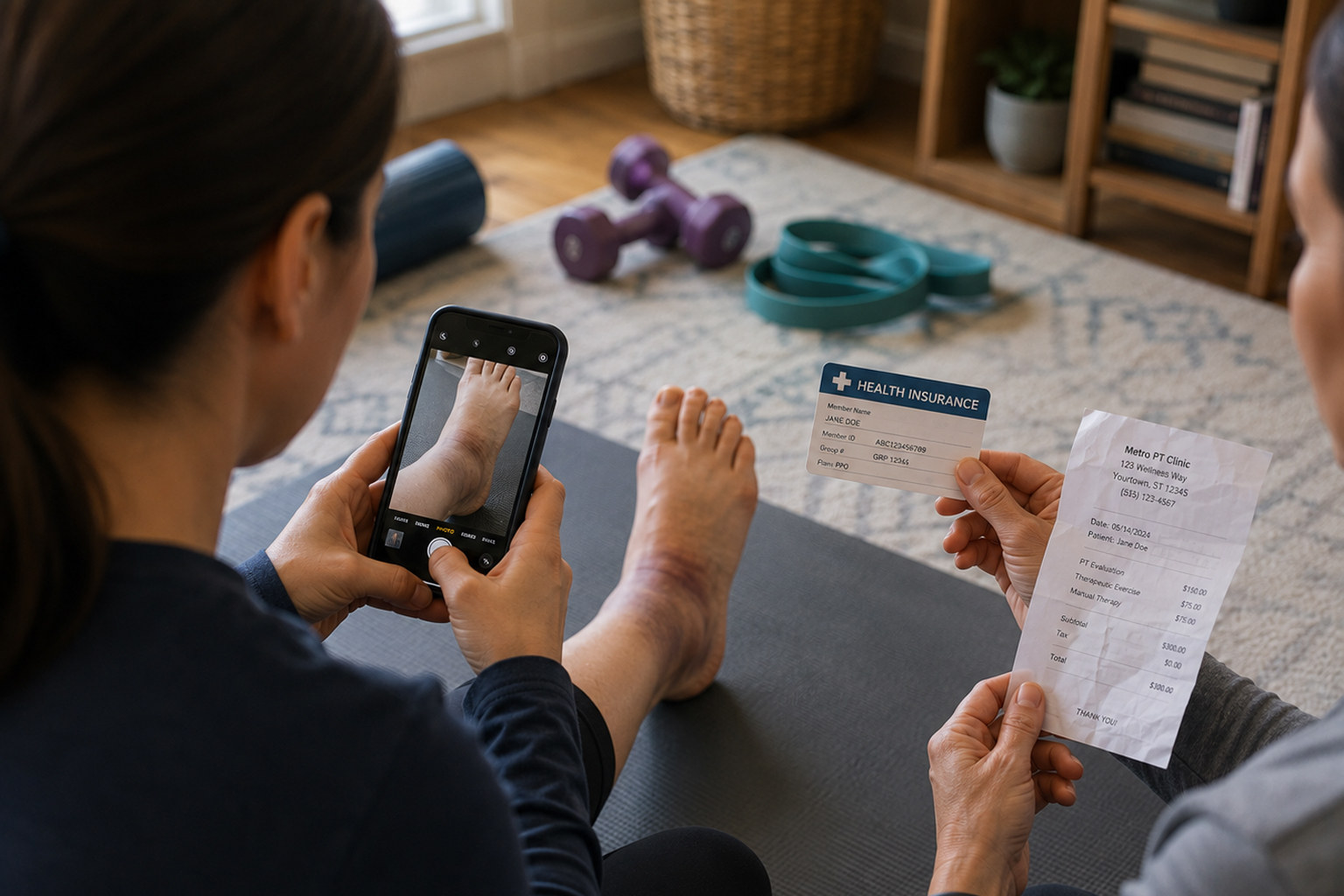
Planning coverage that matches an active home routine helps you avoid surprises when treatment is needed. Whether you use bodyweight workouts, resistance bands, or a compact home gym, accidents and overuse injuries still happen. Reviewing policy details before a problem arises saves time, limits out-of-pocket costs, and keeps care options open. This article outlines practical checks and simple steps to make your health plan work for home exercise.
What to Verify in Your Policy
When evaluating plans, focus first on coverage for acute injuries and physical therapy. Confirm whether emergency visits, X-rays, and follow-up rehabilitation are subject to in-network rules or higher out-of-pocket fees. Look at exclusions, preauthorization requirements, and annual or per-incident limits that might affect your claim. Also verify whether telehealth and virtual physical therapy sessions are covered, which can be convenient after minor injuries.
- Emergency and urgent care coverage details
- Rehab, PT, and durable medical equipment limits
- Preauthorization and documentation requirements
Cross-referencing these items with your typical exercise intensity can reveal important gaps. Adjusting coverage or preparing a savings buffer may be wise.
Documenting Injuries and Filing Claims
How you document an injury matters when submitting claims. Keep dated notes about what happened, photograph visible injuries, and save receipts for any immediate care or equipment-related replacements. Seek prompt evaluation when symptoms suggest a significant sprain, strain, or joint issue to establish medical necessity in records. Timely medical notes and provider opinions strengthen a claim and reduce disputes.
Organizing documentation ahead of time streamlines the process if you need care. Clear records also help appeals if an initial claim is denied.
Managing Costs and Choosing Providers
Managing costs involves both network choices and care timing. Use in-network urgent care or virtual triage to avoid higher emergency room fees for non-life-threatening issues. Consider a primary care provider or sports medicine clinician who understands exercise-related injuries and can coordinate rehabilitation. Review out-of-pocket maximums and whether physical therapy sessions count toward those limits.
- Find in-network clinicians experienced with sports/orthopedic care
- Compare copays and coinsurance for outpatient rehabilitation
These steps help you balance quality care with reasonable cost sharing. A proactive approach preserves both your recovery and your budget.
Conclusion
Maintaining safe home fitness goes beyond technique and equipment; it includes planning for care. Regularly review your policy, document incidents promptly, and choose in-network providers when possible. Taking these practical steps reduces financial risk and gets you back to exercise more quickly.