Small, consistent changes in how you cook and portion meals can boost energy and recovery for home training.
Focus on nutrient density, appropriate portions, and simple methods that preserve protein and micronutrients.
This guide highlights techniques that fit busy schedules and modest kitchens.
Apply these ideas across breakfasts, lunches, dinners, and snacks to see steady gains.
Balancing Portions and Macronutrients
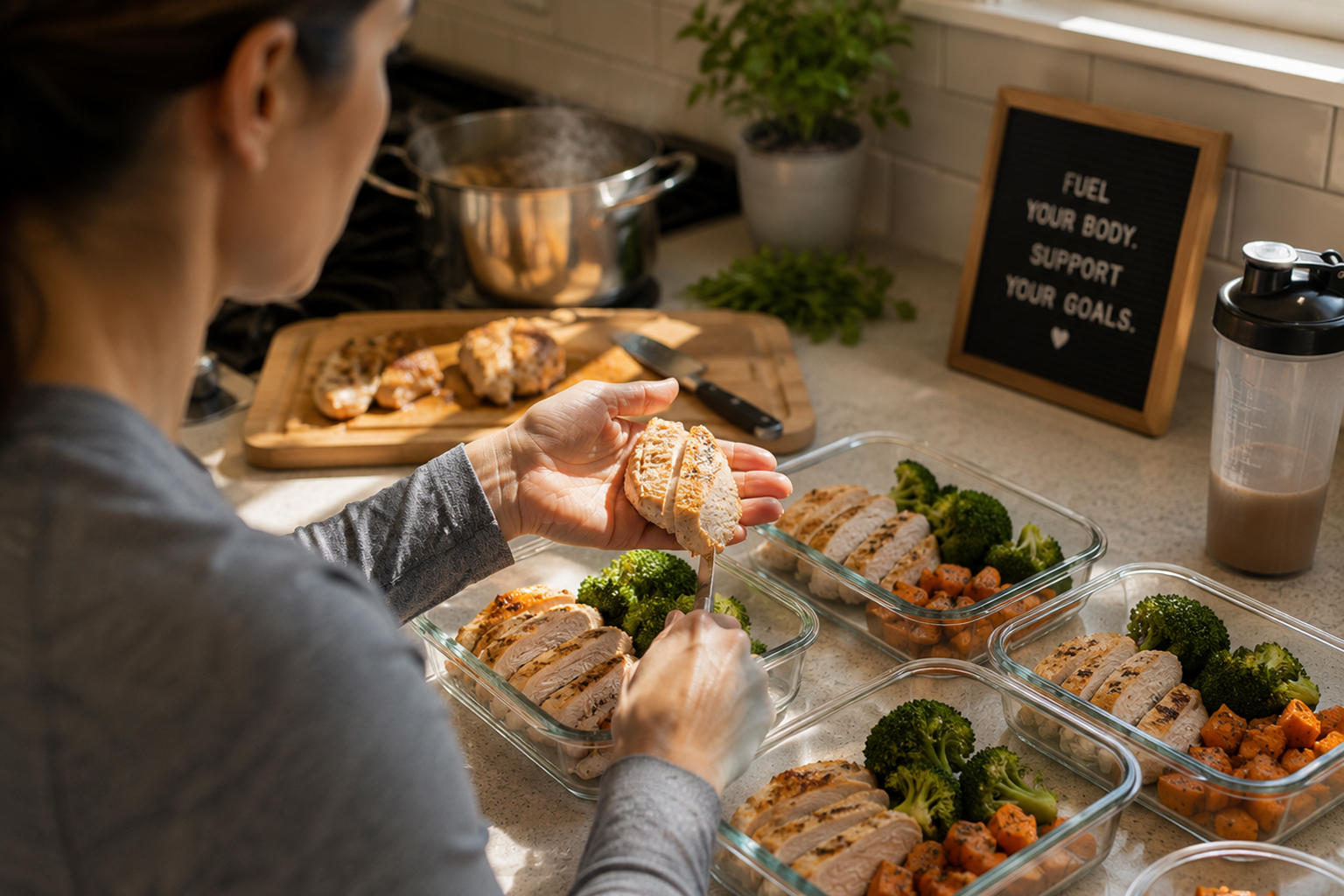
Start meals with a lean protein portion roughly the size of your palm, add a fist-sized vegetable serving, then include a cupped-hand portion of carbohydrates. That simple ratio helps stabilize blood sugar and supports muscle repair without complicated tracking. Adjust portions for individual goals—prioritize extra protein for strength-focused phases and slightly more carbs when training volume increases. Keep healthy fats moderate to maintain energy and satiety without oversized calorie increases.
- Swap Greek yogurt for sour cream to boost protein.
- Choose roasted sweet potato over white rice for fiber and micronutrients.
- Pick canned tuna instead of processed meats for quick protein.
Practical swaps reduce prep time and keep nutrition reliable across busy weeks. Use batch-cooking to portion these ratios into ready-to-eat containers.
Cooking Techniques that Preserve Nutrients
Choose gentle cooking methods like steaming, quick pan-searing, or roasting to retain vitamins while delivering texture and flavor. High-heat charring is fine occasionally but can decrease certain nutrients and increase undesirable compounds. Incorporate simple practices such as cooking vegetables until crisp-tender and adding greens last to soups. Minimal added oil and short cooking times protect delicate micronutrients and keep meals lighter.
- Steam or blanch vegetables briefly to preserve color and nutrients.
- Pan-sear proteins quickly then finish in a light sauce for moisture.
- Use one-pot roasting to combine vegetables and protein while saving time.
These techniques keep meals nutritious and appealing without extra complexity. They also reduce cleanup so sticking to healthy habits feels easier.
Practical Meal Timing and Portioning
Timing meals around workouts matters less than total intake, but sensible pre- and post-session choices support performance and recovery. Aim for a balanced meal two to three hours before training and a protein-focused snack or meal within an hour after intense sessions. Small, portable options like yogurt with fruit or a simple sandwich work well when time is limited. Consistent meal spacing across the day prevents energy dips and supports steady training intensity.
- Protein: palm-sized
- Vegetables: fist-sized
- Carbohydrates: cupped-hand portion
- Fats: thumb-sized
Portion awareness and meal timing become habits with a little planning. Prepare a few standard combos and rotate them across the week.
Conclusion
Small, repeatable cooking and portion habits deliver big returns for at-home training.
Prioritize protein, preserve nutrients through simple methods, and keep portions consistent.
Over time these practices support better workouts, recovery, and long-term progress.