

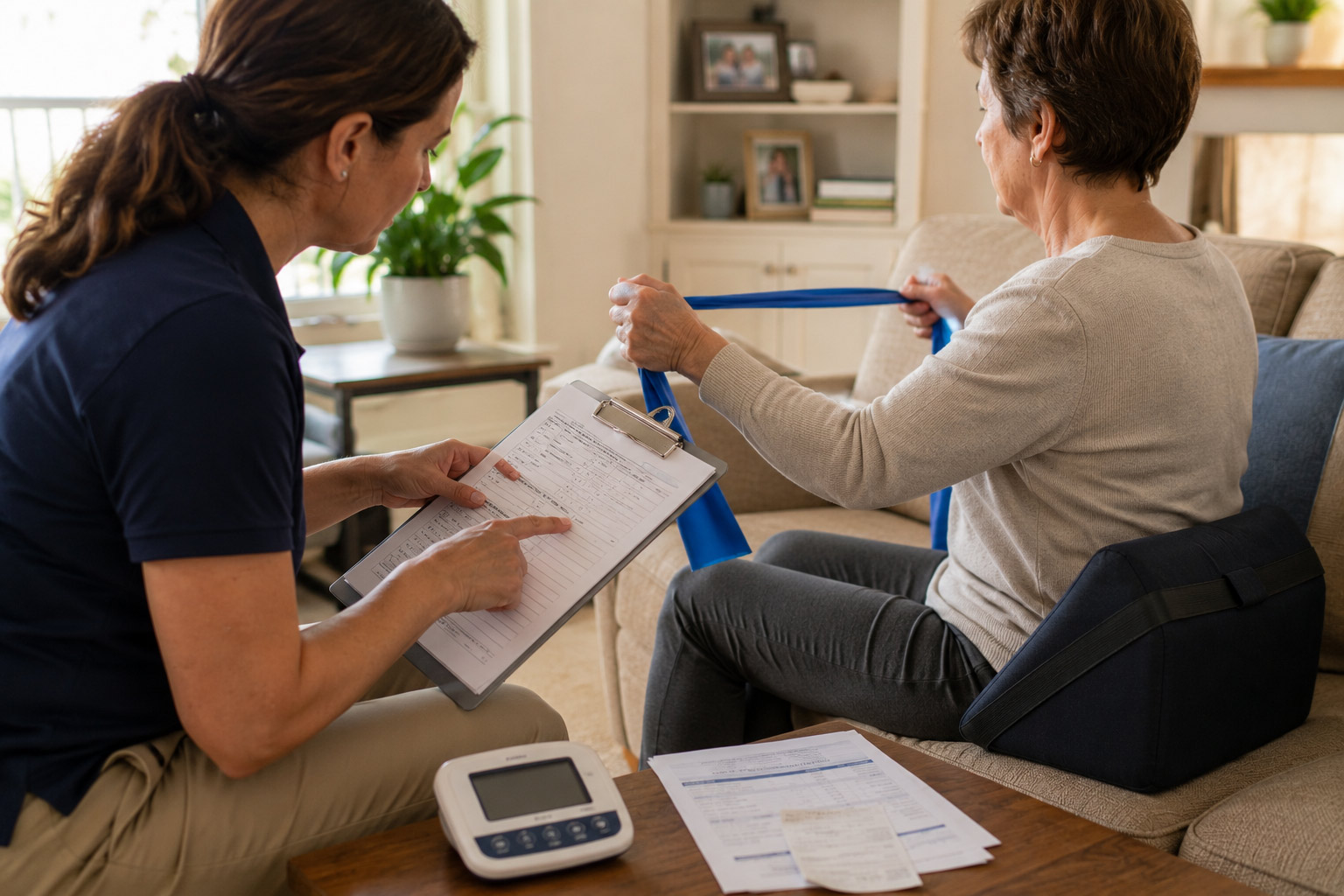
At-home exercise and rehabilitation have become central to modern wellness routines, and many people wonder how medical insurance intersects with that trend.
Understanding coverage can reduce out-of-pocket costs for equipment, therapy, and virtual care.
This article outlines common areas where insurers may provide support and the documentation needed to file claims.
It also covers practical steps to maximize benefits and avoid common denials.
The goal is to give clear, actionable guidance for people managing fitness and recovery at home.
What insurance commonly covers
Policies vary, but many plans include coverage that relates to home fitness when it is medically necessary. Durable medical equipment such as adjustable beds or therapeutic devices may be reimbursable if prescribed by a clinician. Physical therapy sessions often qualify, and tele-rehabilitation or remote monitoring services are increasingly accepted. Preventive programs are less commonly covered unless tied to a chronic condition.
– Durable medical equipment with a prescription.
– Physical therapy and supervised rehabilitation sessions.
– Telehealth sessions for rehabilitation and chronic disease management.
Always check the specific definitions of ‘medical necessity’ in your policy and ask about prior authorization requirements. Proper documentation from a healthcare provider is usually essential.
How to document claims and secure approvals
Good documentation is the foundation of a successful claim. Obtain written prescriptions or referrals that state the medical necessity of equipment or services and keep itemized receipts. Request pre-authorization for expensive devices or long-term programs whenever the insurer recommends it. Detailed therapy notes and progress reports strengthen appeals if a claim is denied.
– Get a prescription specifying diagnosis and recommended device
– Keep detailed invoices and therapy notes
– Confirm billing codes (CPT/HCPCS) before submission.
Work closely with suppliers and clinicians to ensure claims use appropriate billing codes and descriptions. This coordination reduces delays and increases the chance of reimbursement.
Maximizing benefits and avoiding common pitfalls
Understand contract limits, such as lifetime caps, annual limits, and waiting periods, which can affect reimbursement amounts. Be wary of policies that exclude ‘exercise equipment’ while covering ‘medical devices’—the distinction often hinges on clinician documentation. If a claim is denied, use the insurer’s appeals process and supply additional clinical evidence supporting necessity.
– Review policy language on exclusions
– File appeals promptly with supporting medical records
– Explore HSA or FSA options for eligible purchases
Leveraging flexible spending accounts can offset costs even when insurance falls short. Engaging a patient advocate or billing specialist can also help navigate complex denials.
Conclusion
Medical insurance can play a meaningful role in supporting home fitness and recovery when services or devices are clearly tied to medical need.
Patients should secure clinical documentation, verify policy specifics, and pursue pre-authorization to improve reimbursement chances.
Careful preparation and timely appeals make it possible to reduce out-of-pocket costs and maintain continuity of care at home.










