

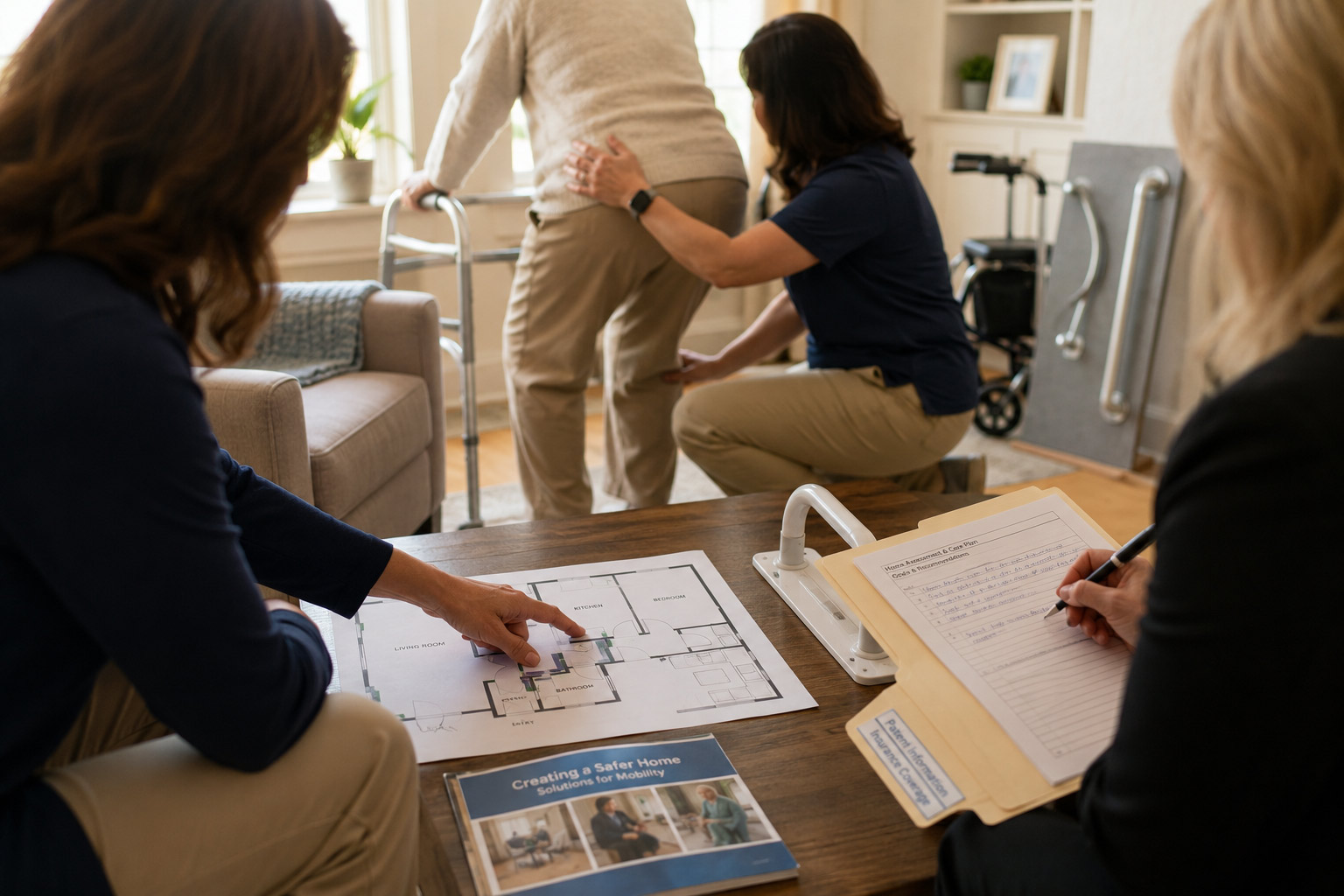
This article explains practical ways to align home-based fitness and rehabilitation needs with medical insurance coverage. It outlines what insurers typically consider when approving services, how to document medical necessity, and ways to work smoothly with providers. The goal is to help patients, caregivers, and clinicians reduce surprises and access appropriate support for home therapies. Clear planning and documentation are central to improving approval chances and managing out-of-pocket costs.
Understanding coverage basics
Medical insurance often distinguishes between general wellness, which is rarely covered, and medically necessary services that support recovery or function. Insurers evaluate claims based on diagnosis, documented functional deficits, and expected outcomes tied to therapy or equipment. Durable medical equipment, home health nursing, and skilled therapy usually require clear physician orders and periodic progress notes. Familiarity with common policy terms—prior authorization, medical necessity, and in-network providers—helps set realistic expectations.
A clear initial assessment from a licensed clinician establishes the clinical rationale for home services. This assessment becomes the foundation for appeals if a claim is denied, and it guides measurable goals for therapists.
Documenting home fitness and therapy needs
Accurate documentation is essential when seeking coverage for home-based interventions. Records should describe the patient’s current limitations, the objective tests used, specific interventions proposed, and measurable goals tied to improved function or independence. Photographs or videos demonstrating home barriers, along with a floor plan or notes about accessibility, can strengthen a request for equipment or modifications. Timely progress notes showing improvement or the need for continued services are also important.
– Include physician orders with clear frequency and duration recommendations.
– Maintain therapist notes that cite functional gains and next-step plans.
Consistent, dated records make it easier for reviewers to see progress and justify ongoing coverage when clinically appropriate.
Working with providers and insurers
Proactive communication between patients, clinicians, and insurance representatives reduces delays. Before initiating services, request preauthorization when required and verify which providers, suppliers, or equipment vendors are considered in-network. Clinicians can help by using precise diagnostic codes and narrative statements that tie the service to the patient’s functional goals. When denials occur, appeal promptly with supplemental documentation and a cover letter outlining the clinical case.
Keeping copies of all submitted paperwork and noting representative names and dates expedites follow-up. Collaborative dialogue often resolves misunderstandings without prolonged appeals.
Maximizing benefits and avoiding denials
Plan services around documented milestones and avoid requesting experimental or purely convenience-related items without strong clinical justification. Consider tiered approaches: start with conservative, cost-effective interventions and escalate if progress is insufficient. Periodic reviews of benefit summaries and plan changes help anticipate coverage shifts throughout care.
Engaging a case manager or patient advocate can streamline navigation and reduce administrative burden during complex claims.
Conclusion
Aligning home health goals with insurance requirements requires planning, clear documentation, and ongoing communication among all parties. By focusing on measurable functional outcomes and timely paperwork, patients and clinicians improve approval chances and continuity of care. Thoughtful coordination minimizes interruptions and supports successful home-based recovery.










