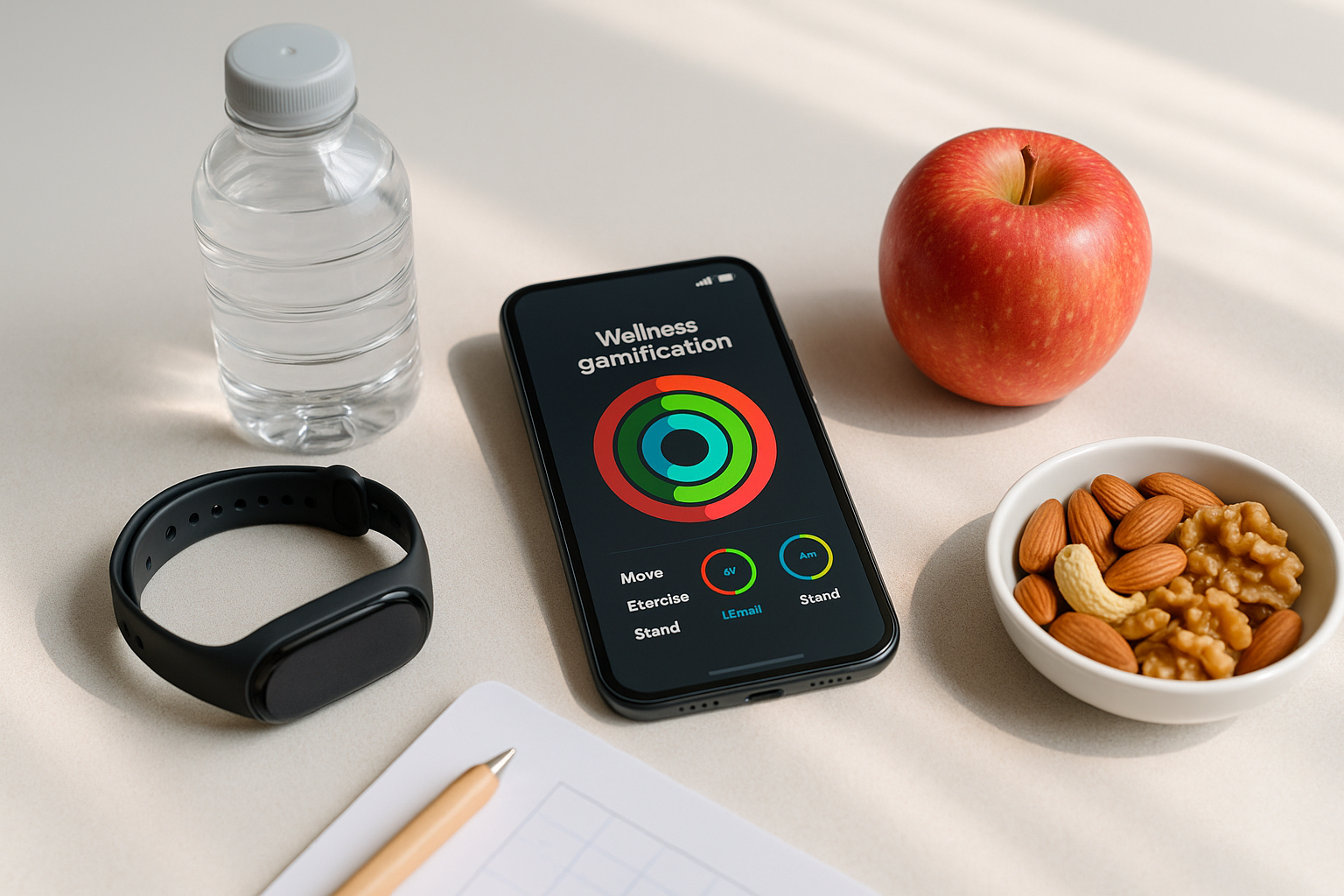
Gamification is reshaping the insurance industry by turning wellness into an engaging and rewarding experience. Instead of relying solely on traditional health guidelines, insurers are now using game-like elements — such as challenges, points, rewards, and progress tracking — to motivate policyholders to adopt healthier habits. This innovative approach helps individuals stay consistent with fitness, nutrition, and preventive care routines while enabling insurers to reduce long-term health risks and claims. As wellness becomes more interactive and personalized, gamified insurance programs are creating a powerful shift in how people manage their health.
Making Wellness Goals Fun and Achievable
Gamification transforms routine health tasks into exciting activities. Whether it’s completing daily step goals, participating in hydration challenges, or joining virtual fitness competitions, these interactive elements make wellness feel enjoyable rather than overwhelming. Rewards such as badges, milestones, and streaks encourage policyholders to stay consistent. This sense of accomplishment boosts motivation and helps individuals build long-term habits.
Encouraging Accountability Through Tracking and Feedback
Modern gamified programs often integrate with wearable devices and wellness apps, allowing users to track their progress in real time. Seeing charts, scores, and achievements helps individuals stay accountable and understand their health patterns more clearly. This feedback loop encourages people to make informed decisions — such as improving sleep routines, increasing activity, or reducing stress. Insurers benefit as healthier behaviors lead to fewer chronic conditions and medical claims.
Offering Meaningful Rewards for Healthy Behaviors
One of the most effective motivators in gamification is the reward system. Many insurance plans now offer premium discounts, gift cards, or wellness perks in exchange for meeting specific health goals. These rewards create a direct financial and emotional incentive for members to stay active and maintain healthy habits. This approach builds a strong partnership between insurers and policyholders, making wellness a shared priority.
Creating Community and Friendly Competition
Gamified insurance platforms often include social features that encourage group challenges, team achievements, and friendly competitions. These interactive elements foster community support and make health improvement a collective effort. Whether competing for weekly step totals or participating in group wellness missions, users feel more engaged and motivated through shared experiences.
Supporting Preventive Care Through Digital Engagement
Gamification also promotes preventive care by encouraging users to complete screenings, schedule annual check-ups, or stay updated on vaccinations. Insurers can set reminders and award points for completing these essential tasks, helping individuals stay proactive about their long-term health. This focus on prevention benefits both the insurer and the policyholder by reducing future risks and improving overall well-being.
Conclusion
Gamification is transforming insurance wellness programs by making healthy habits more enjoyable, accessible, and rewarding. Through challenges, tracking tools, and meaningful incentives, insurers are helping people stay connected to their health in fun and interactive ways. As this trend continues to grow, gamified wellness will play an even bigger role in shaping a healthier, more engaged population.