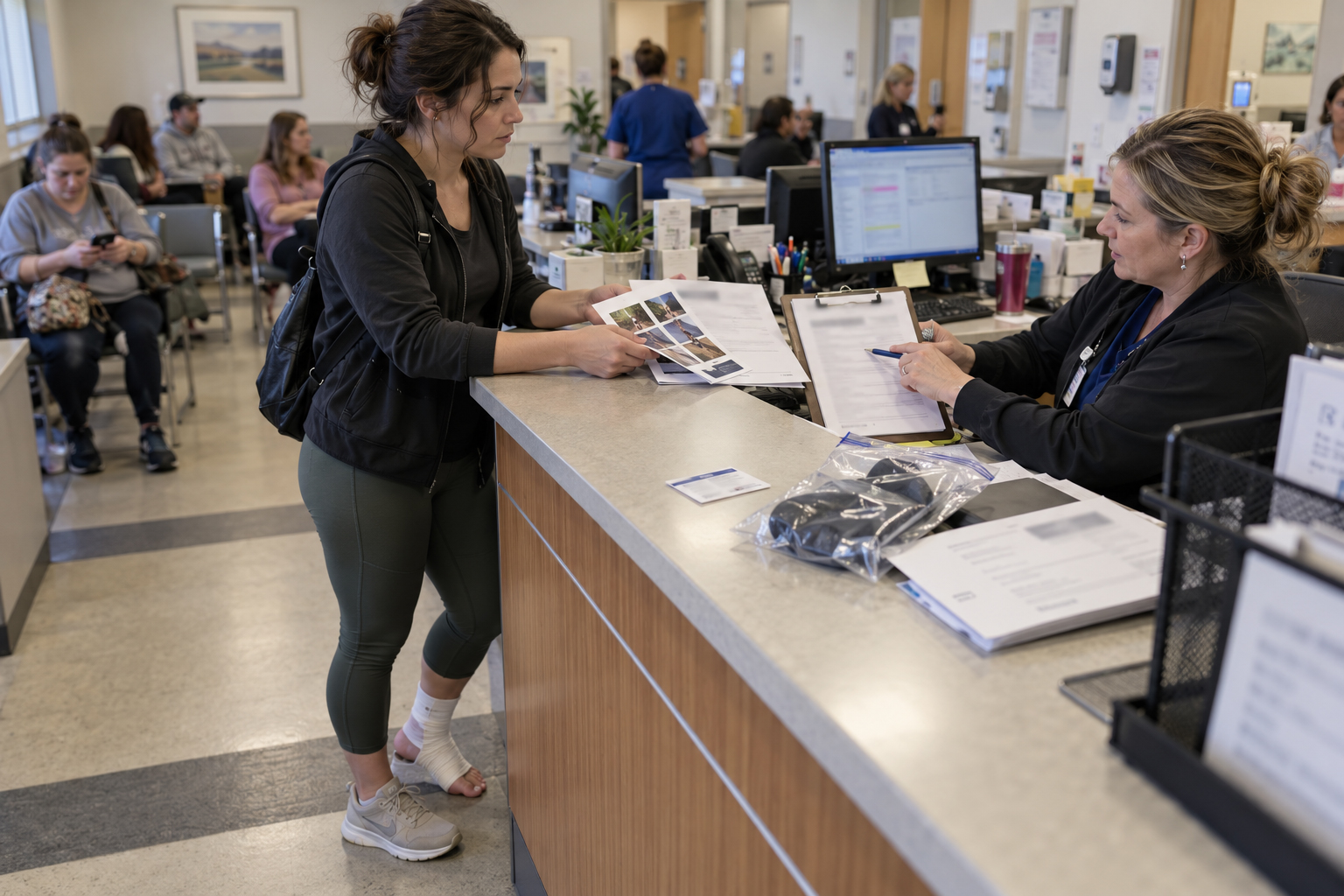
Before your next at-home session, take a few minutes to confirm how your health plan handles workout injuries. Simple checks now can prevent confusing bills and delays later. Focus on emergency coverage, network rules, and rehabilitation benefits that affect recovery. Knowing a few key details reduces stress if an injury happens.
Check the basics first
Start by identifying whether emergency department, urgent care, and primary care visits are covered differently and what each deductible and copay will be. Learn how your plan defines an “accident” versus an “injury” related to exercise, since wording can change claim outcomes. Verify whether imaging, specialist referrals, or certain diagnostics need prior authorization to avoid surprise denials. These foundational details shape where to seek care and the likely out-of-pocket cost after a home workout accident.
- Confirm emergency versus urgent care cost-sharing and deductibles.
- Check in-network specialists and whether referrals are required.
- Note any prior authorization rules for imaging or procedures.
Write these items down before you need them so calls with your insurer are efficient. Keeping a short checklist prevents missed steps when time and clarity matter most.
Document incidents and timelines
If you or a guest is injured during a workout, quick, clear documentation supports claims and appeals. Record the date and time, the activity involved, any equipment, visible injuries, and witness names, and take photos of the scene and wounds when appropriate. Ask the clinician who treats you to include a concise history that links the diagnosis to the reported incident and to list recommended follow-up care. Detailed records reduce ambiguity for claims reviewers and speed resolution.
Hold on to copies of all medical records, bills, and insurer correspondence in one folder. Filing claims promptly according to plan deadlines cuts the risk of denial for late submission.
Use benefits that support recovery
Rehabilitation, physical therapy, and telehealth can make recovery faster and less costly if your plan covers them. Check limits on outpatient therapy visits, whether a referral is required, and whether virtual sessions count toward visit caps. Also confirm coverage for braces, orthotics, or rental equipment, and understand prescription rules for pain management or anti-inflammatory medication. Knowing these benefit details helps you plan a cost-effective recovery without unexpected gaps.
Ask about case management or care coordination if injuries are complex; these services can help align providers and reduce administrative burden. They’re worth considering if you anticipate prolonged rehab or multiple specialists.
Conclusion
A short, focused review of your policy cuts financial surprises after a home workout injury. Document incidents, confirm networks and rehabilitation benefits ahead of time. That preparedness protects both your health and your budget.