When you exercise at home, small injuries or unexpected medical needs can arise, and your health policy should be ready to respond. Understanding which provisions apply to home workouts helps you avoid coverage surprises and ensures timely care when it matters. This article explains key features to look for in a policy and how they relate to common home fitness scenarios. With clear expectations, you can choose coverage that supports a safer, more confident routine.
Assess Coverage Limits and Emergency Care
Start by reviewing limits for emergency and urgent care, since many home workout incidents require prompt attention. Check whether ambulance transport, urgent care visits, and hospital emergency services are covered and whether those services are in-network or subject to higher copays. Also confirm annual and per-incident maximums that could affect long-term recovery after a serious injury. Understanding these caps prevents unexpected bills and allows you to plan alternatives like supplemental coverage.
Compare deductibles and out-of-pocket maximums across plans to see how a single accident might impact finances. A lower deductible often reduces immediate costs, while a higher out-of-pocket limit can provide protection after major incidents. Balance premiums, deductibles, and caps to match your risk tolerance.
Look for Rehabilitation and Therapy Benefits
Rehab services such as physical therapy, occupational therapy, and durable medical equipment are frequently needed after workout injuries. Policies vary widely in session limits, pre-authorization requirements, and provider networks, so examine those provisions carefully. Coverage for tele-rehabilitation or home health visits can be especially useful for people recovering at home and avoiding travel. Make sure to verify whether therapy requires a referral or has daily or yearly visit limits.
Prioritize plans that offer flexible therapy options and clear authorization pathways to speed recovery. Early access to rehab can reduce long-term disability and improve outcomes from common home fitness injuries.
Consider Networks, Costs, and Add-Ons
Network rules affect which providers and facilities are affordable when you need care. Out-of-network charges can escalate quickly, so check provider directories and whether virtual care is treated as in-network. Also evaluate policy add-ons or riders that cover specific needs like durable medical equipment, sports medicine consultations, or short-term disability. These extras can fill gaps standard plans leave exposed.
- Confirm telemedicine coverage for quick specialist advice after minor injuries.
- Look for equipment allowances if you routinely use supportive devices at home.
- Ask about rider options for enhanced rehab or injury-specific care.
Choosing the right combination of network access and targeted add-ons tailors coverage to your home fitness habits. This minimizes surprises and keeps care accessible.
Documenting Incidents and Filing Claims
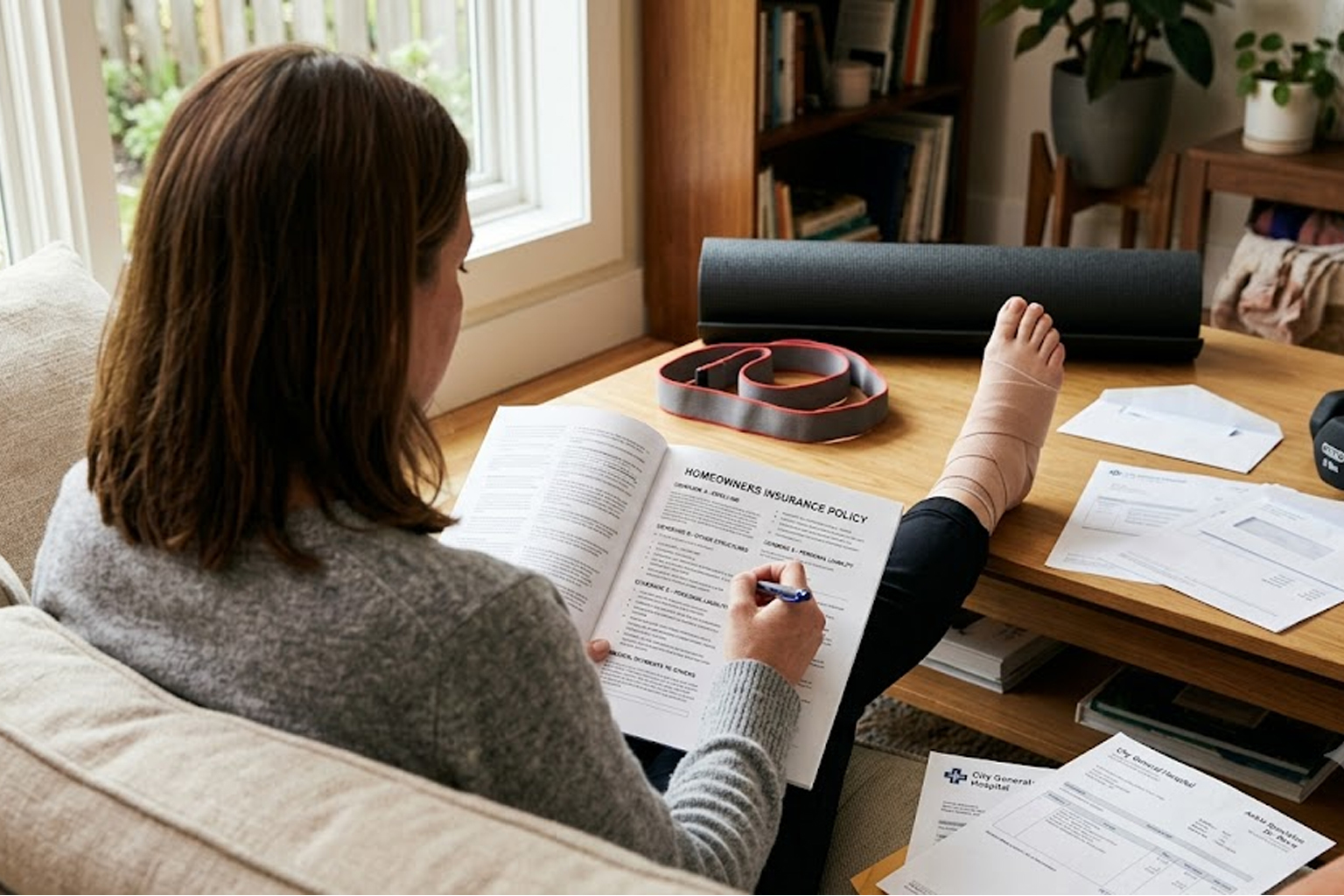
Accurate documentation is essential when seeking reimbursement for workout-related care. Record the date, circumstances, and any immediate treatment you received, and retain receipts, referral notes, and provider reports. Prompt filing often speeds approval, especially when pre-authorization is required for imaging or extended therapy. Familiarize yourself with claim timelines and appeal processes so you can respond quickly if coverage is denied.
Keeping organized records and communicating clearly with your insurer reduces delays. A systematic approach makes it easier to resolve disputes and secure appropriate benefits.
Conclusion
Choosing a policy that aligns with your home exercise routine reduces financial risk and supports faster recovery when injuries occur. Focus on emergency care limits, rehab benefits, network rules, and add-ons that match your needs. Stay organized with documentation and familiarize yourself with claim procedures to ensure smooth access to care.