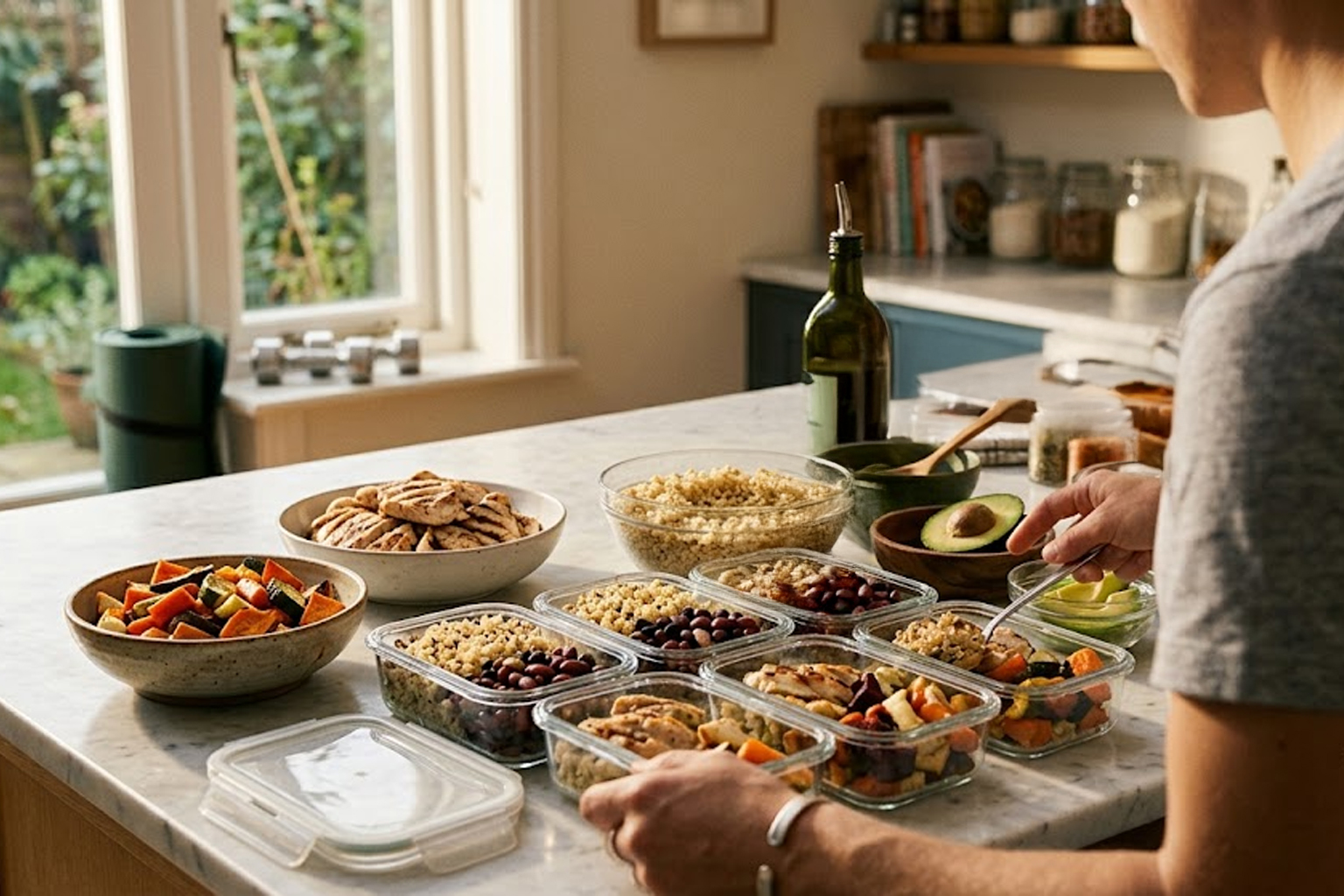
Creating simple, nutritious meals at home makes consistent energy and recovery realistic for people who train from home. This article focuses on practical meal strategies that are flexible, pantry-friendly, and easy to adapt to different training days. The aim is to help you balance protein, carbohydrates, and fats without complicated recipes or expensive ingredients. By focusing on a few reliable building blocks, you can eat well, save time, and support progress in a sustainable way.
Core principles for balanced meals
Begin with three reliable elements: a protein source, a vegetable or fruit, and a carbohydrate or healthy fat. Each meal should prioritize a moderate portion of protein to support muscle repair and satiety, while colorful produce provides fiber and micronutrients. Carbohydrate choices can be adjusted by training intensity and timing, favoring quicker sources around workouts and more fibrous choices at other times. Healthy fats add flavor and help with nutrient absorption while keeping meals satisfying.
- Protein: eggs, canned fish, lean cuts, beans, or dairy alternatives.
- Vegetables: frozen greens, roasted root vegetables, or fresh salad mixes.
- Carbs/fats: whole grains, sweet potatoes, olive oil, nuts, or avocado.
Applying these principles consistently makes meal decisions faster and reduces reliance on processed convenience foods. Small adjustments to portions can tailor each plate to daily training demands.
Pantry-friendly meal ideas
Stocking a few versatile staples transforms simple ingredients into balanced meals in minutes. Think of staples that cook quickly or require minimal prep: canned beans, whole grains, eggs, frozen vegetables, and a jar of tomato sauce or stock. Combining these with fresh items like leafy greens or a citrus fruit lets you vary flavors without needing elaborate shopping lists. Simple pairings can be nutrient-dense and satisfying when assembled thoughtfully.
- One-pan: sautéed vegetables, a protein (tofu or chicken), and a grain finished with a drizzle of oil or lemon.
- Bowl: cooked grain, roasted or canned beans, quick-pickled veggies, and a spoonful of yogurt or tahini.
These ideas scale easily for single meals or batch cooking, giving you flexibility for the week. Rotating a few combos prevents menu fatigue and keeps grocery trips efficient.
Simple weekly prep and timing
Set aside one block of time for basic prep: cook a grain, roast a tray of vegetables, and portion proteins for the next three to four days. Use airtight containers to combine components into ready-to-eat meals or mix-and-match bowls that suit different training days. Pay attention to meal timing by placing quicker carbohydrates around higher-intensity sessions and heavier, slower-digesting meals when activity is light. Hydration and a small protein-rich snack after workouts can also speed recovery and maintain energy.
- Prep tip: label portions and keep a list of rotating combinations to simplify choices.
- Timing tip: aim for a balanced meal 2–3 hours before training and a protein-focused snack within an hour after finishing.
Consistent, small habits around prep and timing compound into better performance and easier meal decisions. Over time, these routines reduce stress and support steady progress.
Conclusion
Focus on simple building blocks: protein, produce, and appropriate carbs or fats to create balanced, repeatable meals. Prioritize a small prep session each week and flexible pantry staples to reduce decision fatigue and improve meal quality. These practical habits make fueling for home training manageable and sustainable.