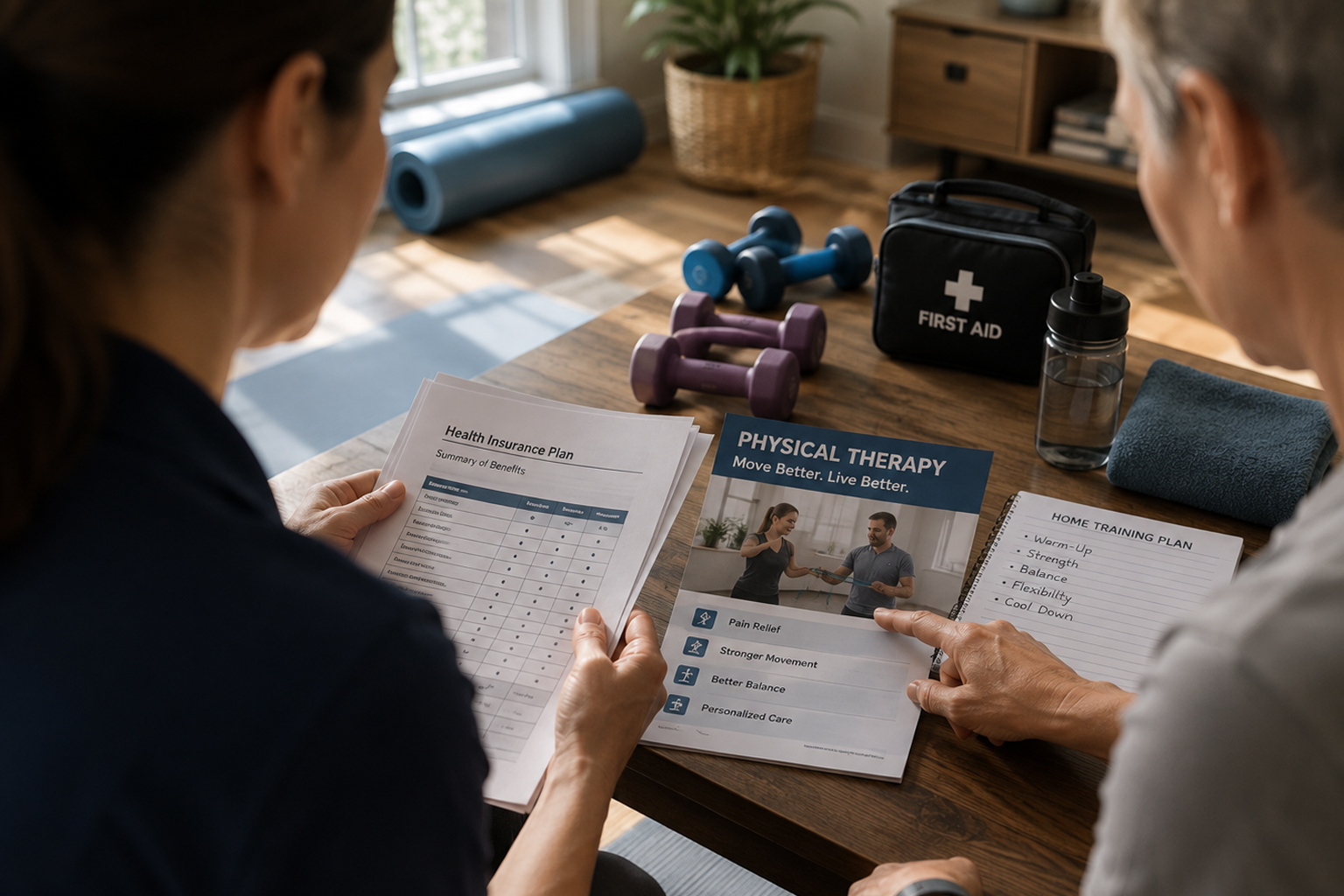
As more people choose to exercise at home, it is important to align health insurance with practical risks and care needs. A thoughtful review of your policy can help you avoid surprises if an injury or health concern arises during a workout. This article explains clear steps to assess coverage, prioritize benefits, and prepare documentation so home fitness fits smoothly within your plan. Use these suggestions to make informed choices that support safe, sustainable exercise at home.
Assessing Your Current Policy
Start by identifying what your plan covers for urgent care, outpatient treatment, and rehabilitation services related to exercise injuries. Look for language about accidental injuries, physical therapy, imaging, and telehealth access, since these often determine how easily you can get treated after a home workout incident. Note any exclusions or limits tied to non-professional activities and check deductible and out-of-pocket maximums that apply to relevant services. Understanding these details lets you estimate potential costs and compare alternatives effectively.
Make a concise checklist of items to review and request clarification from your insurer for any ambiguous clauses. Keep a dated copy of correspondence for future reference.
Choosing the Right Benefits
Prioritize plans that offer strong outpatient and rehabilitative coverage if your routine includes high-intensity or equipment-based workouts. Telehealth and virtual physical therapy options are especially useful for minor injuries and follow-up care without needing an in-person clinic visit. Consider coverage for diagnostic imaging and specialist visits if you perform weight-bearing or complex movements that carry a higher risk of strain. Mental health benefits can also support balanced training and recovery when motivation or stress becomes a concern.
- Outpatient therapy and physical rehabilitation
- Telehealth and virtual care options
- Reasonable diagnostic and specialist access
Choosing a plan that matches your activity level reduces financial uncertainty and speeds recovery when incidents occur.
Preparing for Claims and Emergencies
Documenting incidents promptly helps with claims: keep photos, incident notes, and treatment receipts organized. Know your in-network providers and urgent care locations so you can act quickly if you need immediate attention after a workout. Familiarize yourself with pre-authorization requirements for imaging or specialty procedures to avoid denials or delays. If you participate in supervised programs at home, keep any instructor or trainer information that supports the treatment context.
Regularly update emergency contacts and medical history in your insurer portal and carry a basic first-aid plan tailored to common training risks. This proactive approach simplifies claims and improves care coordination.
Conclusion
Review your policy for coverage of outpatient care, therapy, and telehealth before committing to a new home routine. Keep clear documentation and know in-network options to streamline care if an injury occurs. Making thoughtful choices up front reduces stress and supports safer, more sustainable home fitness.