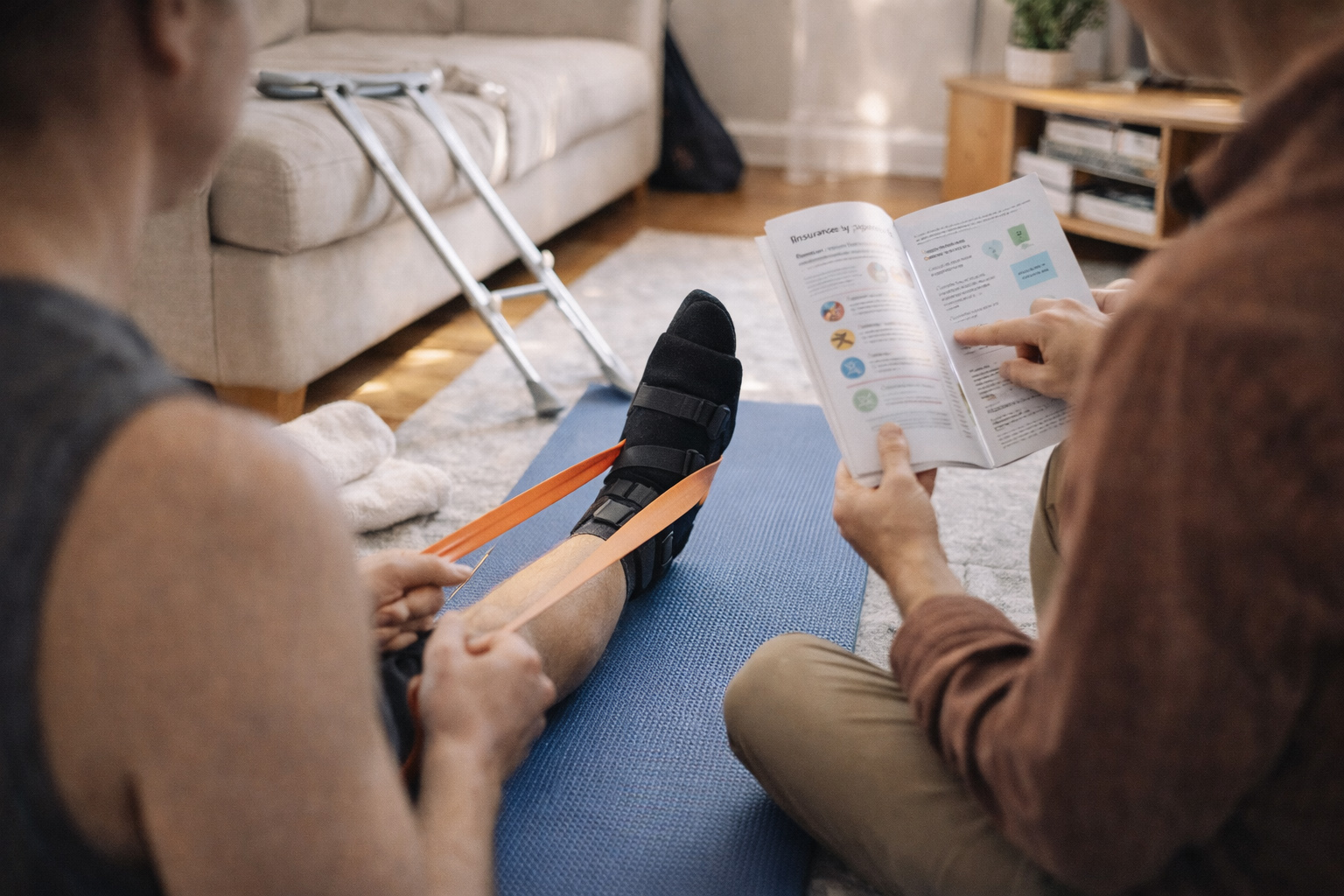
As more people exercise at home, understanding how medical insurance responds to workout-related injuries becomes increasingly important. This article explains core considerations for aligning health coverage with home fitness habits. It highlights policy features, practical steps to reduce gaps, and how to prepare for recovery needs. The goal is to help active households make informed choices without oversimplifying complex plan details.
Why reviewing your policy matters
Medical insurance policies vary in how they cover injuries sustained during personal training or informal exercise at home. Some plans treat these claims the same as any accidental injury, while others impose stricter documentation or network restrictions. Knowing how your insurer defines emergency care, outpatient treatment, and rehabilitation can prevent surprises after a claim. Regular review reduces the risk of unexpected out-of-pocket costs and ensures smoother access to care when it matters most.
Proactively checking benefit summaries and asking targeted questions of your insurer helps you interpret ambiguous language. Keep copies of policy documents where you can quickly reference coverage details after an incident.
Key policy features to prioritize
Look closely at deductible levels, co-insurance rates, and annual out-of-pocket maximums because these determine your financial exposure after an injury. Network restrictions and prior authorization requirements affect which providers and services are covered and how much you will pay. Rehabilitation benefits, such as physical therapy limits and approved service providers, are critical for recovery from common fitness injuries. Prescription coverage and durable medical equipment provisions also matter if you anticipate needing braces, supports, or mobility aids.
- Deductible and out-of-pocket limits
- Network and referral rules
- Rehab and therapy coverage
Prioritizing these features helps you select a plan that balances monthly premiums with meaningful protection for home exercise risks. Comparing a few options side by side makes differences easier to spot.
Practical steps to align coverage and safety
Document your pre-existing conditions and any guidance from healthcare providers to support claims if an injury occurs during training. Keep a simple incident log and photos when appropriate, especially for visits to urgent care or emergency departments. Consider complementary protections like health savings accounts or short-term accident policies to handle higher deductibles. Finally, incorporate safe-practice habits—warm-ups, proper equipment, and routine checks—to reduce the chance of needing care in the first place.
Combining informed insurance choices with preventive routines gives active households both confidence and practical support for recovery when accidents happen. Regularly revisit your plan at renewal to ensure it still meets your needs.
Conclusion
Matching medical coverage to home fitness routines requires attention to policy details and practical preparation. Prioritize deductible structure, network rules, and rehabilitation benefits when comparing plans. With the right combination of coverage and safety practices, you can exercise at home with greater peace of mind.