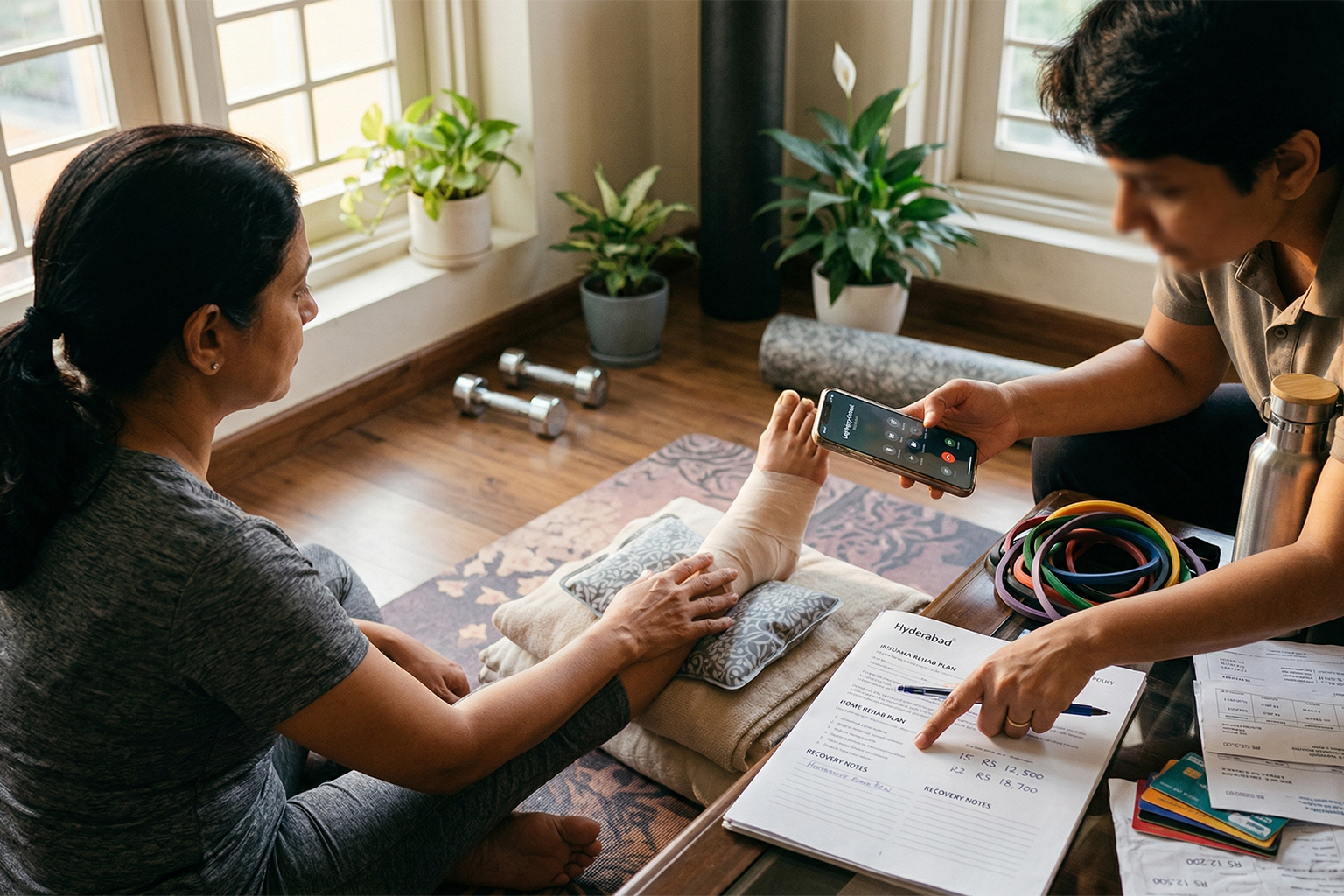
Many people who exercise at home assume their standard medical insurance will cover any injury, but policy language often contains important caveats. Exclusions, network rules, and prior authorization requirements can affect both access to care and out-of-pocket cost. This article highlights practical steps to spot coverage gaps and prepare to file a claim if needed. A little review up front can prevent stress and unexpected bills later.
Why policy details matter
When an injury occurs during a home workout, coverage can hinge on definitions and limits in the policy rather than the severity of the injury alone. Items like what qualifies as an emergency, how outpatient therapy is covered, and whether virtual consultations count toward care are common differentiators. Some plans exclude injuries tied to certain activities or require network providers for full benefits. Spotting these provisions lets you choose or adjust a plan that matches your routine.
Reading policy clauses carefully and asking targeted questions of a representative clarifies expectations. That effort reduces the chance of surprises if you need care.
Coverage elements to verify
Focus on emergency and urgent care rules, physical therapy limits, imaging approvals, and out-of-pocket maximums. Telehealth, durable medical equipment reimbursement, and prior authorization processes are increasingly relevant for workout-related care. If you follow online coaching or hire a trainer, learn how those services intersect with medical necessity and documentation requirements. Understanding caps and timelines helps you plan for both minor treatment and more involved rehab.
Create a short checklist of these elements when comparing plans so you can weigh benefits against costs. Keep that list handy at renewal time.
Filing claims and documenting incidents
Accurate, timely documentation supports any claim after a workout injury. Record how and when the incident happened, seek medical evaluation promptly if needed, and collect written notes, imaging, and referrals that tie treatment to the event. Save bills and receipts for services and equipment, and follow insurer instructions for submitting claims and appeals. Clear documentation reduces ambiguity and speeds adjudication.
Organize records in a single folder or digital file so you can assemble a coherent claim package quickly. This practice also helps if you need to appeal a denial.
Using preventive and remote care benefits
Preventive services, wellness programs, and telehealth can reduce injury risk and lower overall care costs. Use covered assessments or virtual consultations to address mobility or technique issues before they lead to injury, and check whether rehab or preventive equipment qualifies for reimbursement. Employers and plans sometimes offer wellness credits or discounts for approved activities that align with plan incentives. Combining prevention with coverage knowledge improves both safety and value.
Review available wellness benefits at each renewal and ask about new telehealth or preventive options. Small proactive steps often avert larger medical needs later.
Conclusion
Checking policy details, verifying specific benefits, and keeping clear documentation reduce surprises after a home workout injury. Leveraging telehealth and preventive services can limit risk and speed care when issues arise. Taking time to close policy gaps supports safer, more confident exercise at home.