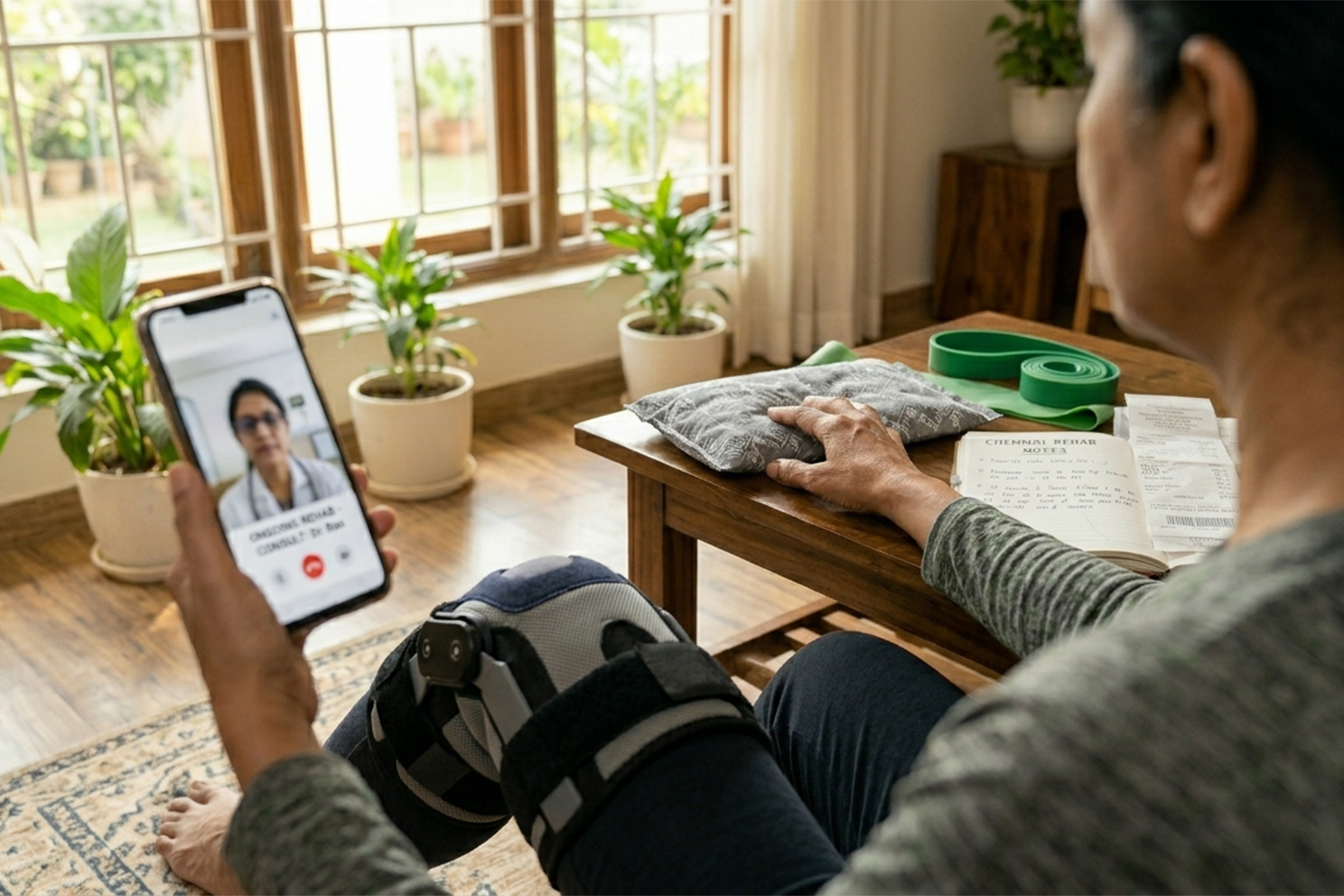
As more people build fitness routines at home, understanding how health insurance supports both minor injuries and longer recovery becomes important. Policies differ on emergency care, outpatient treatment, physical therapy, and telehealth follow-up, so reviewing plan details before an incident can save time and money. This article outlines practical aspects of coverage to check, common exclusions to be aware of, and steps to prepare documentation if you need to file a claim. With a few focused questions and simple records, you can make coverage work better for your home fitness lifestyle.
Understanding Coverage Limits
Many plans clearly state emergency room and urgent care benefits, but limits on outpatient visits, imaging, and specialist consultations vary widely. Look for information on deductibles, co-insurance rates, and annual visit caps that could affect recovery after a workout injury. Pay attention to exclusions such as injuries linked to non-covered activities or missing preauthorization requirements for specialist care. Knowing these specifics helps you predict out-of-pocket costs and choose care settings wisely.
Checking in-network provider lists and referral rules is a practical next step. If your preferred rehabilitation clinic is out-of-network, confirm whether exceptions or negotiated rates exist.
Using Telehealth and Preventive Benefits
Telehealth can be a fast, low-cost way to triage exercise injuries, get prescriptions, or schedule referrals without a clinic visit. Many plans now include virtual physical therapy check-ins and wellness coaching that align directly with home fitness goals. Preventive benefits like screenings and chronic condition management can reduce long-term risk and are often covered at low or no cost. Review how telehealth visits are billed and whether they count toward visit limits or deductibles.
Incorporating virtual care into your routine can shorten recovery times and lower expenses. Confirm platform compatibility and any documentation required for claims.
Documenting Claims and Rehabilitation Options
Accurate documentation is essential if you need to file a claim after a home workout injury: record the incident, seek timely medical evaluation, and keep receipts and clinical notes. Understand the preauthorization process for imaging or extended therapy so services aren’t denied retroactively. Look into add-on options like short-term disability riders or supplemental accident coverage that can offset lost income or higher rehabilitation costs. Comparing plan riders and optional benefits can reveal affordable protections tailored to active lifestyles.
Proactive record-keeping and knowing authorization rules will streamline any claims process. Discuss rehabilitation timelines with providers and your insurer to align care with coverage.
Conclusion
Review policy limits, telehealth provisions, and rehabilitation coverage before relying on a plan for home fitness incidents. Keep clear records and confirm preauthorization rules to avoid unexpected denials. Small planning steps make coverage more effective and support safer, longer-lasting exercise habits.