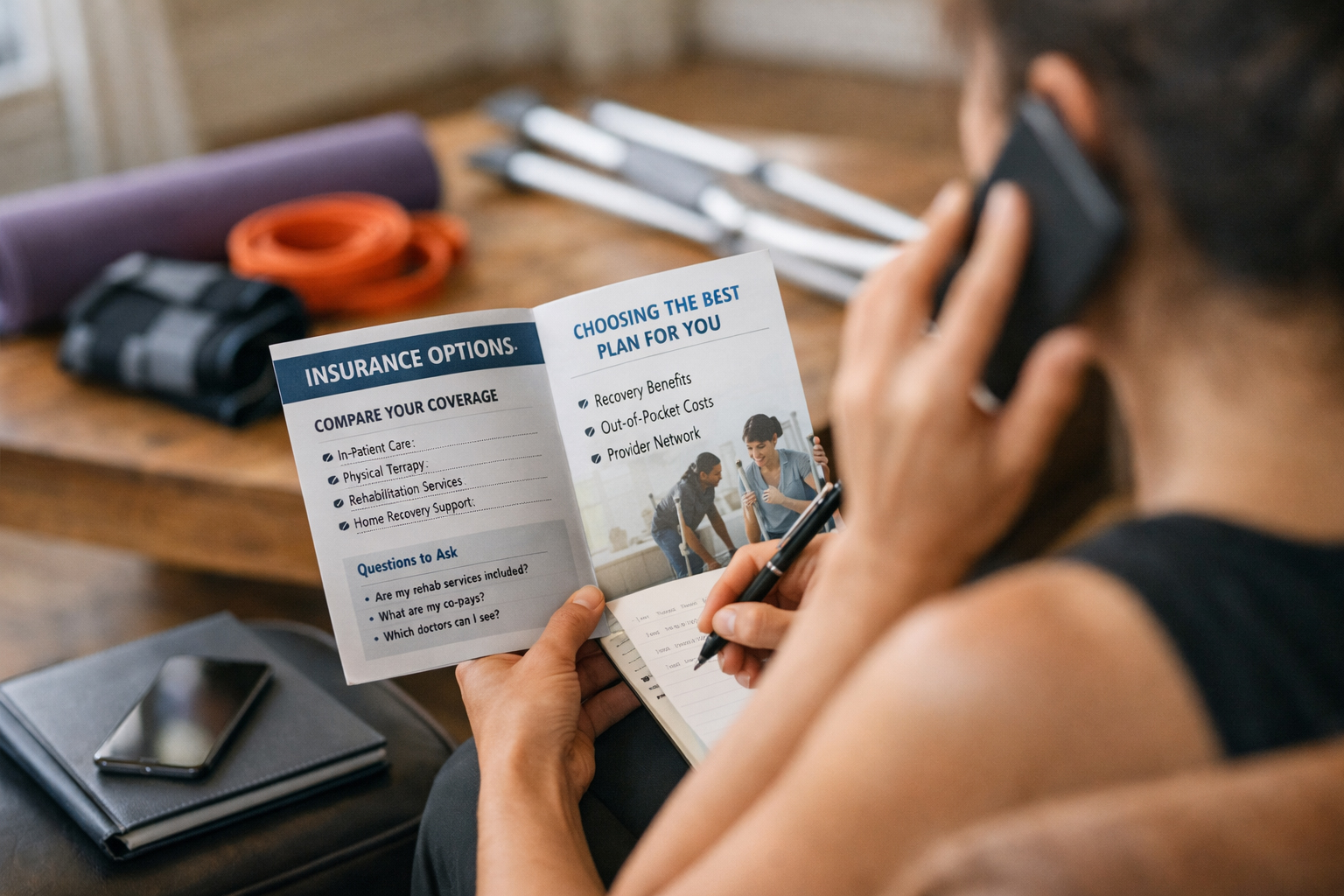
Maintaining an active home fitness routine is rewarding, but injuries and setbacks can happen. Understanding how your medical insurance handles assessment, acute care, and rehabilitation helps you avoid surprises and maintain progress. This article outlines practical coverage features to check and simple steps to compare plans without jargon. Use these tips to align your policy with the realities of exercising at home.
Why insurance matters for home exercise
Home workouts reduce gym costs and increase convenience, but they also shift some risk to your household environment and habits. When an accident or overuse injury occurs, insurance determines access to timely care, the scope of covered therapies, and potential out-of-pocket costs. Plans can vary widely on emergency services, outpatient diagnostics, specialist visits, and physical therapy coverage. Knowing these differences lets you plan safer workouts and a clearer recovery path.
Reviewing common scenarios—sprains, strains, or fracture care—helps identify typical cost drivers and coverage gaps. Prioritize clarity on emergency versus urgent care, imaging approvals, and the typical provider network for rehabilitation services.
Key benefits to prioritize
Look for plan features that directly support recovery and ongoing fitness maintenance. Coverage that includes physical therapy, durable medical equipment, and follow-up specialist visits reduces delays in returning to activity. Telehealth options and care coordination can lower barriers to early assessment and conservative management. Prescription coverage for short-term pain control and anti-inflammatory treatments is also relevant for many acute injuries.
- Physical therapy limits and visit caps
- Rehab provider networks and prior authorization rules
- Telehealth and virtual musculoskeletal consult access
- Coverage for braces, supports, and durable equipment
Compare these elements across plans to match benefits with your typical workout intensity and equipment use.
Comparing plans without jargon
Start by mapping expected services after a minor or moderate injury: ER visit, imaging, specialist, and eight to twelve PT sessions. Check deductibles, copays, and out-of-pocket maximums for each service type rather than relying on summary statements. Pay attention to prior authorization requirements and whether the plan uses tiered networks that affect rehabilitation access. Use plain examples from your routine to estimate realistic costs under each plan.
Ask customer service or your broker for written examples or a benefits breakdown tied to the scenarios you listed. That makes comparisons concrete and actionable.
Preparing to file a claim
Document incidents promptly: note time, activity, mechanism of injury, and any immediate treatment administered. Keep receipts for emergency visits, imaging, therapy sessions, and equipment purchases. If a referral or prior authorization is required, request it in writing and confirm any time limits or provider restrictions. Clear documentation speeds claim processing and reduces the chance of denied benefits due to missing information.
Stay persistent but organized during appeals, and maintain copies of all communications until the claim is resolved. An informed, methodical approach improves the odds of a fair outcome.
Conclusion
Choosing the right medical plan for home fitness means focusing on rehabilitation access, reasonable cost-sharing, and clear prior authorization rules. Match plan details to realistic injury scenarios from your routine and document incidents carefully to support claims. With thoughtful comparison and preparation, your coverage can help you recover faster and return to safe, consistent training.