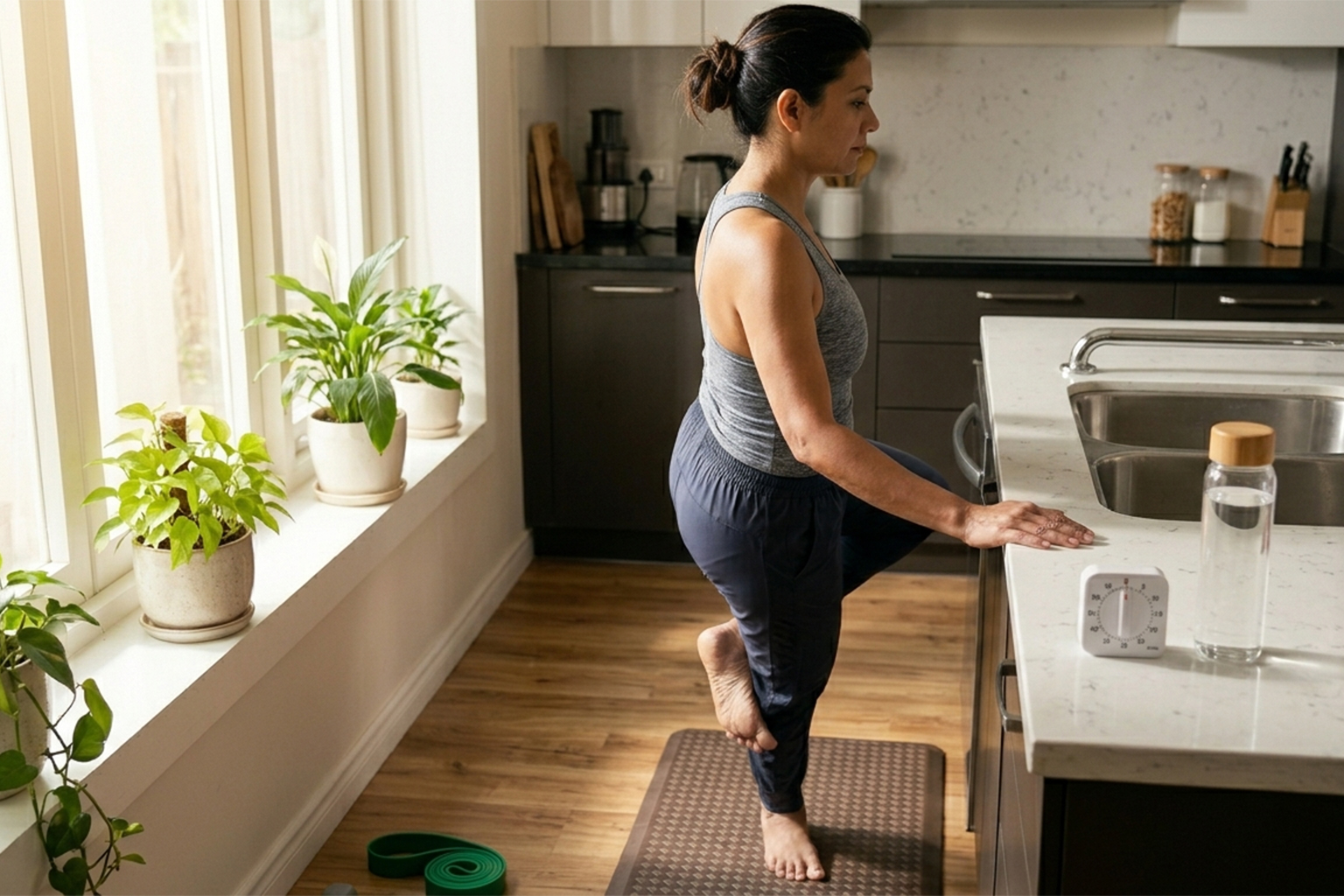
Living with persistent musculoskeletal pain calls for practical, sustainable approaches you can use at home.
Small, consistent changes in movement, rest, and environment often reduce flare-ups and improve daily function.
This article outlines gentle routines, pacing tactics, and simple environmental adjustments that support comfort and mobility.
The goal is to create a manageable plan that fits everyday life and encourages long-term resilience.
Assess and Adapt Daily Movement
Start by noting which activities trigger pain and which ease it, using a short daily log for a week.
This awareness helps you prioritize movements that maintain function without provoking flares and shows patterns to adjust.
Gentle, low-impact activities such as walking, seated exercises, or water-based movement can preserve mobility without overloading tissues.
Aim for short, frequent sessions rather than long intense bouts to keep consistency and reduce risk.
Regular reassessment ensures the plan stays relevant as symptoms change.
Small progression or substitutions maintain gains while respecting current limits.
Build Gentle Strength and Flexibility
Controlled strengthening and stretching target supporting muscles and improve joint control, which often lowers baseline pain.
Focus on functional movements—hips, core, shoulders, and the muscles around painful areas—using bodyweight or light resistance.
Include flexibility work to reduce stiffness, favoring slow, pain-free ranges that increase gradually over weeks.
Consistency matters more than intensity; brief daily practice yields better long-term results than sporadic hard sessions.
Work within comfort and consider consulting a qualified professional if new or worsening symptoms appear.
Safe progression helps build confidence and durability.
Manage Pain with Pacing and Self-Care
Pacing balances activity and rest to prevent boom-and-bust cycles that intensify pain.
Break tasks into manageable chunks, schedule short rests, and vary positions to avoid prolonged strain.
Simple self-care tools such as heat, cold, massage, and sleep hygiene often improve symptom control when used appropriately.
Mindful breathing and gentle relaxation can reduce tension that contributes to pain.
Track activities and flares to refine pacing strategies over time.
These habits empower steady improvement without risking setbacks.
Environmental Adjustments
Modify your home to reduce unnecessary strain: choose supportive seating, optimize workstation height, and place frequently used items within easy reach.
Small changes like non-slip mats, proper mat thickness for standing tasks, and decluttering pathways lower the risk of awkward movements.
Adaptive tools such as raised toilet seats, grab bars, or long-handled reachers can preserve independence and reduce painful compensations.
Prioritize changes that offer the most immediate impact on comfort and safety.
Gradual upgrades make the home safer and more comfortable without overwhelming effort.
Start with one or two changes and build from there.
Conclusion
Consistent, small adjustments to movement, self-care, and environment can meaningfully reduce ongoing musculoskeletal pain.
Make gradual progress, track results, and prioritize activities that sustain function.
Over time these strategies build resilience and improve daily comfort.