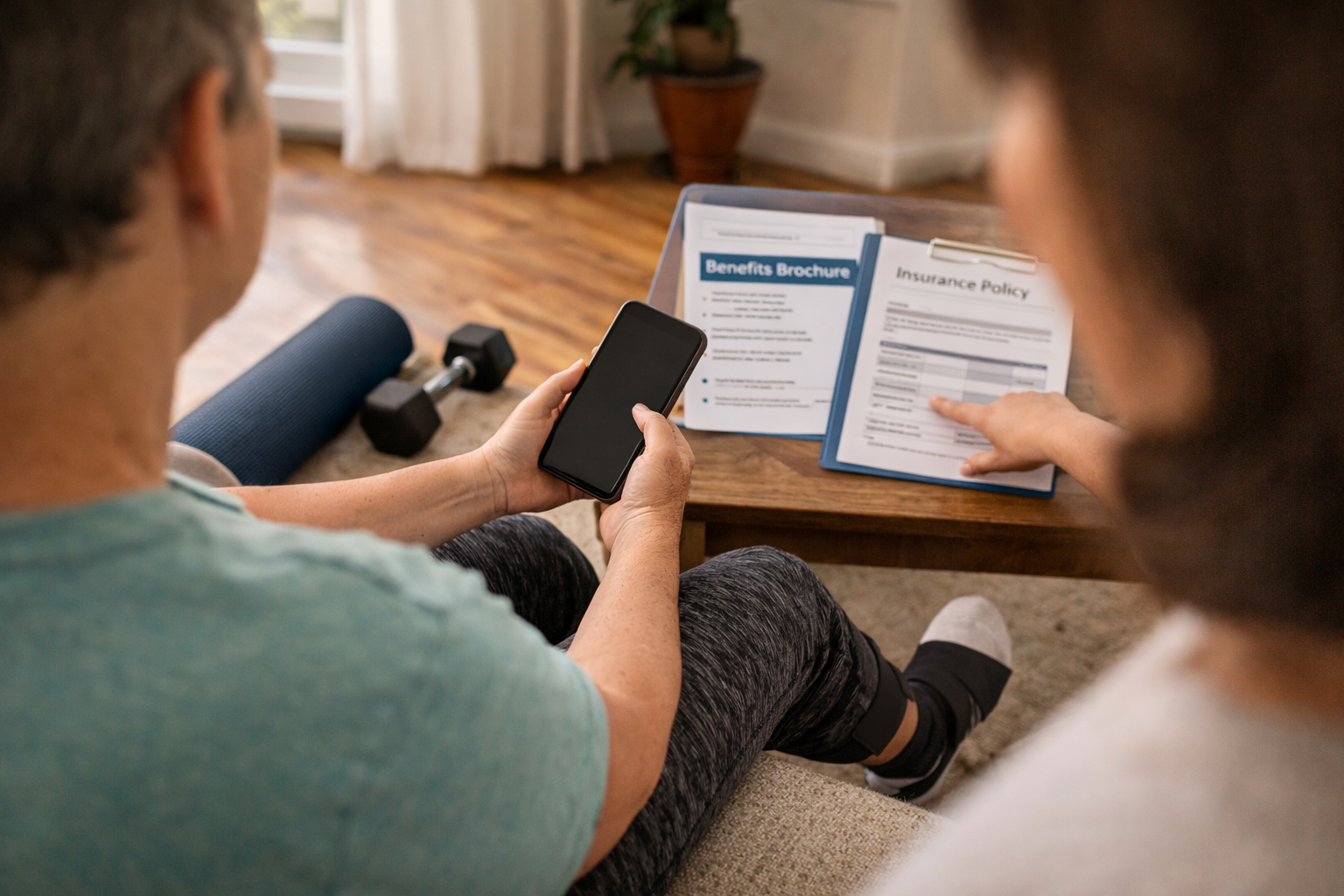
Working out at home is convenient and can improve long-term health, but it also brings unique risks and care needs. Reviewing your medical insurance before a training mishap helps you avoid surprise bills and service delays. This overview explains practical items to check so your fitness routine and coverage align. Use it to prioritize which policy features matter most for home exercise safety.
Understand Core Medical Benefits
Start by confirming how your plan handles emergency care, urgent care, and outpatient visits related to exercise injuries. Many plans treat sprains, fractures, and strains differently depending on whether care is sought in a network facility. Look at deductible, copay, and out-of-pocket maximums for emergency department versus urgent care clinic visits. Also verify whether diagnostic imaging and specialist referrals require prior authorization.
Understanding these distinctions helps you decide where to seek care when an injury occurs and whether immediate evaluation or a telehealth visit is appropriate. That knowledge can reduce costs and speed recovery by guiding your first step after an incident.
Check Rehab, Therapy, and Provider Networks
Rehabilitation services such as physical therapy are often vital after a workout injury, so check coverage limits, session caps, and whether a network therapist is required. Some policies restrict the number of covered sessions per injury or require a physician referral to unlock benefits. Confirm if durable medical equipment like braces or home rehabilitation devices has separate approvals or limits. Network breadth matters because out-of-network therapy can result in much higher patient responsibility.
Knowing your network and any referral rules ensures continuity of care and avoids unexpected denials when you need ongoing therapy for recovery.
Documentation, Claims, and Cost-Saving Steps
Good documentation speeds claims: record the activity that caused the injury, take photos if relevant, and keep receipts for treatments and equipment. When filing a claim, provide clear dates, provider notes, and any referral or authorization numbers. If a claim is denied, use the insurer’s appeal process and request a written explanation of benefits to identify gaps.
- Ask whether telehealth visits for initial assessment are covered and at what cost.
- Confirm pre-authorization rules for imaging and specialist referrals.
- Check if preventive services or wellness credits can offset rehab expenses.
Proactive steps like using in-network providers and getting required authorizations can minimize your financial exposure and keep recovery on track. Small administrative efforts often translate into meaningful cost savings.
Conclusion
Review specific plan terms for emergencies, therapy, and equipment to match your home fitness habits.
Keep clear records and ask questions about network rules before you need care.
Being prepared reduces surprises and helps you recover with appropriate support.