Understanding your base policy helps avoid surprises when you get injured doing home workouts.
A few targeted add-ons or riders can close key gaps in coverage and reduce out-of-pocket costs.
This article explains common options and practical steps for evaluating them against your routine.
Use these tips to ask the right questions when you review or renew your policy.
Understanding Policy Gaps
Standard medical policies often cover emergency care and physician visits but may exclude specific services you rely on after a home fitness injury. For example, coverage limits, preauthorization requirements, and exclusions for certain therapies can lead to unexpected bills. Knowing typical exclusions — such as limits on outpatient rehabilitation or constraints on telehealth reimbursements — helps you decide which riders are worthwhile. Reviewing recent claims or typical services you use after exercise will reveal where gaps are most likely to appear.
Begin by comparing your policy language against your exercise habits and equipment use. Highlight scenarios that could generate a claim, then match those to potential add-ons.
Common Riders and Add-Ons
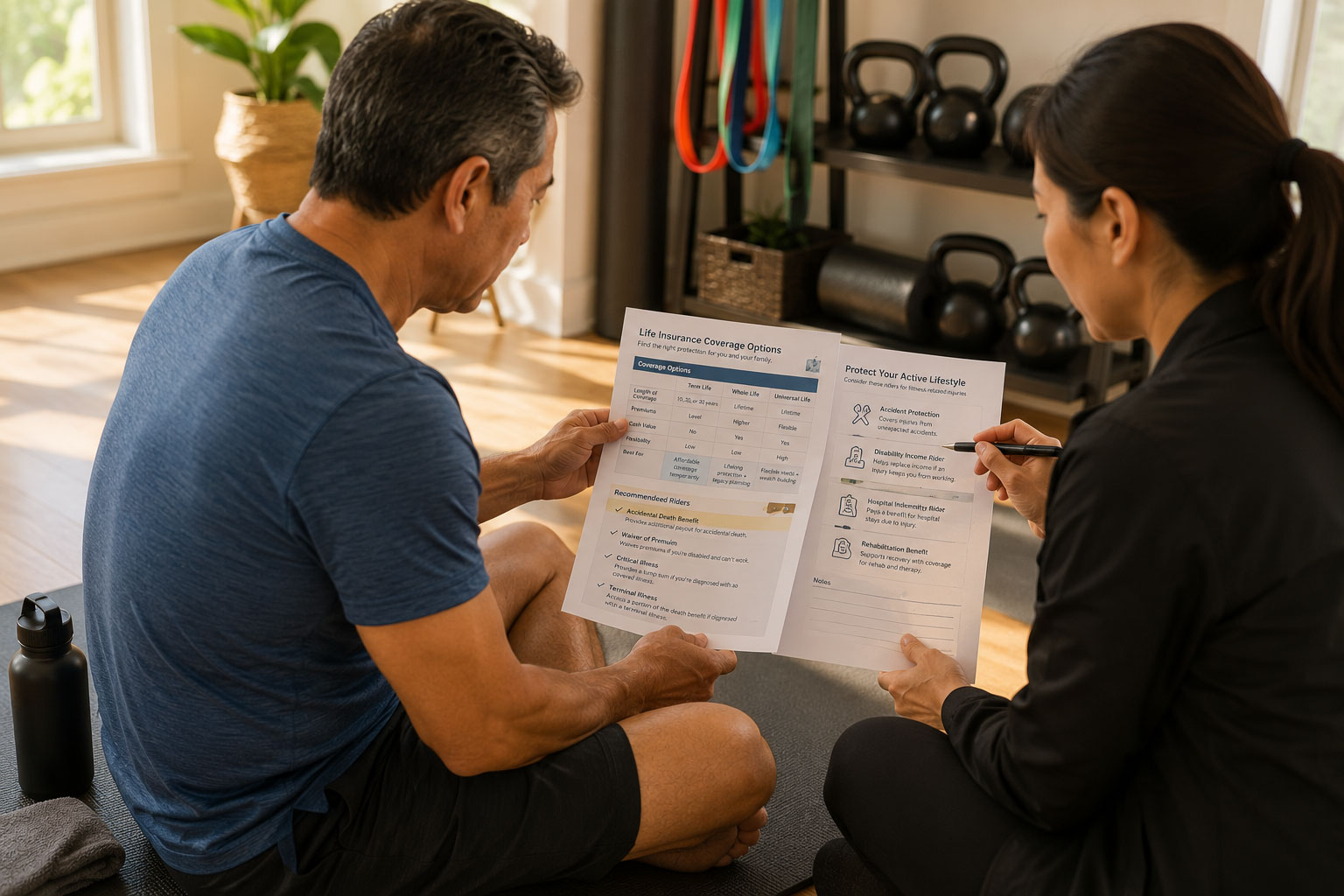
Several riders can be particularly relevant to people who exercise at home. Accident riders may offer lower deductibles or enhanced benefits for injuries sustained during activities, while rehabilitation or therapy add-ons increase coverage for physical therapy and outpatient treatments. Telemedicine enhancements can cover virtual consultations after a minor injury, which is useful for early triage and follow-up care. Some policies also offer riders for durable medical equipment, which can help if you need braces or supports after a workout-related injury.
- Accident-only coverage for faster claims processing.
- Rehabilitation/physical therapy add-ons for extended outpatient care.
- Telehealth riders to support virtual follow-ups.
Select riders that align with the types of treatment you’re most likely to need, considering frequency and typical costs.
Evaluating Cost Versus Benefit
Adding riders increases premiums, so weigh the potential savings against the extra monthly cost. Estimate likely out-of-pocket expenses from common scenarios — for example, a sprain requiring several physical therapy visits — and compare that to the annual premium increase. Factor in your personal risk level: frequency of intense workouts, use of heavy equipment, and any history of musculoskeletal injuries. Also check waiting periods or exclusions that can limit early claims on new riders.
Run a simple cost comparison over a year or two to see whether the rider pays off in realistic situations. Use recent medical bills or average visit costs to make the math concrete.
How to Add or Update Coverage
When you decide a rider is worthwhile, contact your insurer or broker to request quotes and confirm terms. Ask specifically about waiting periods, coverage limits, and whether prior conditions or equipment-related injuries are excluded. If your policy has an annual open enrollment, time changes to avoid mid-term underwriting delays. Keep documentation of your fitness routine and any previous related care to support a smooth application process.
Document conversations and request updated policy pages in writing. That record helps prevent misunderstandings if you need to file a claim later.
Conclusion
Choose add-ons that match your routines and potential injury scenarios.
Compare the added premium to realistic out-of-pocket savings from likely claims.
Keep clear records and confirm terms before you commit to new coverage.