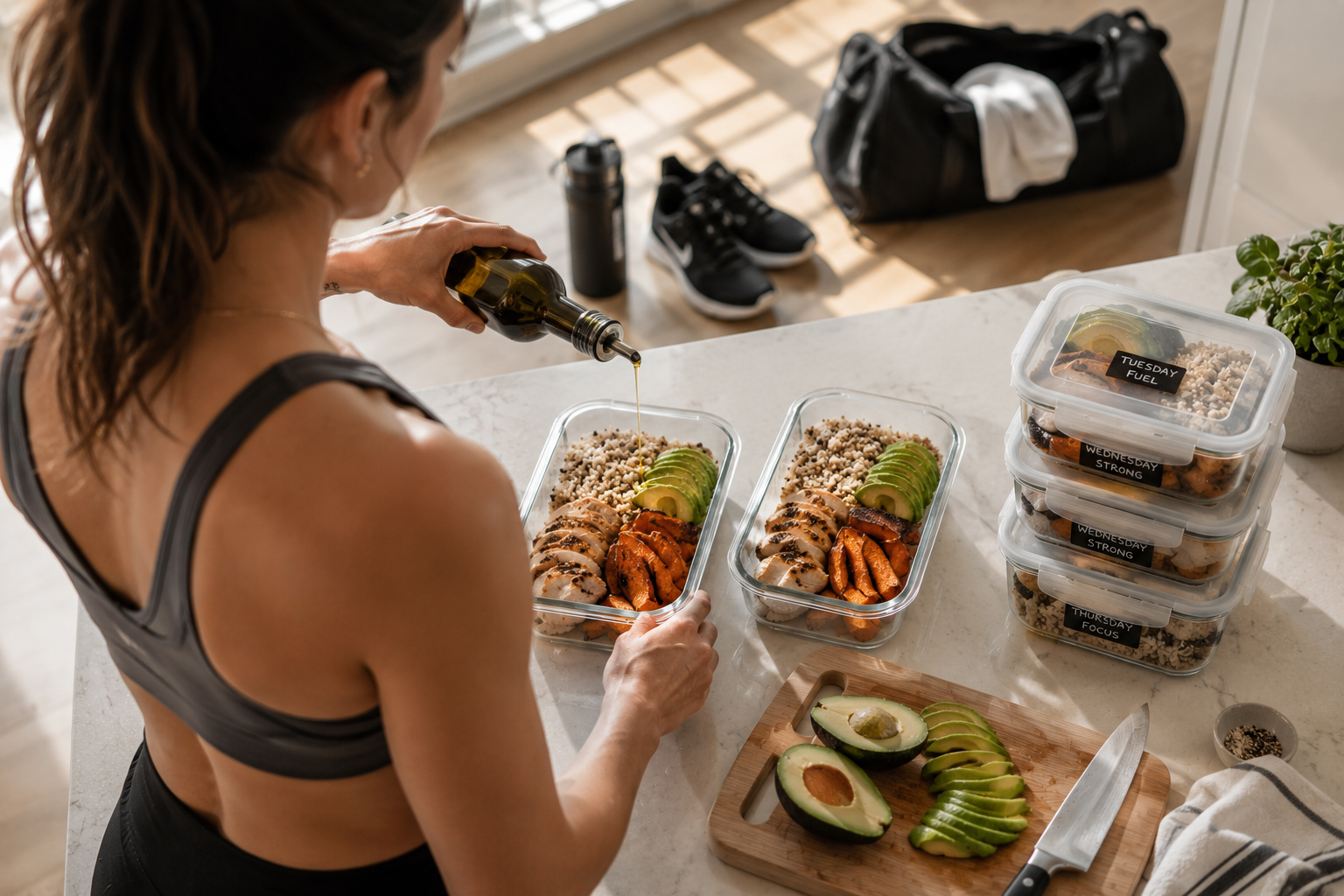
Finding reliable meals that support daily training can feel overwhelming, especially when time and energy are limited. With a few practical principles you can build plates that provide steady energy, support recovery, and simplify grocery shopping. This article outlines straightforward meal patterns to use at home and to keep energy steady across workouts and recovery days. The focus is on balance, convenience, and small habit changes that make consistent fueling realistic.
Why simple structure matters
Consistent meal structure prevents energy dips and reduces decision fatigue, making it easier to stick with training routines. Meals that combine protein, carbohydrates, and healthy fats support sustained performance and help repair muscles after resistance sessions. Prioritizing whole foods and modest portions keeps digestion comfortable before exercise while providing micronutrients for long-term health. Simple templates also speed up grocery lists and meal prep, lowering the barrier to consistent eating habits.
Start with a base you enjoy and adapt it across meals to keep variety without complexity. Small, repeatable choices win over perfection when consistency is the priority.
Three-component plates made easy
A reliable plate includes a lean protein, a fibrous or starchy carbohydrate, and a source of healthy fats or vegetables. Examples include grilled chicken with roasted sweet potato and olive oil-dressed greens, or a lentil bowl with brown rice and avocado. Portion control can be guided by simple measures: palm-sized protein, cupped-hand carbs, and a thumb-sized fat portion or a generous serving of vegetables. These proportions are flexible and can be scaled up for larger training days.
Batch-cooking one or two proteins and grains each week unlocks fast assembly at meal times. Keep a rotating list of spices and sauces to prevent monotony and maintain interest.
Timing, snacks, and real-world tweaks
Aligning meal timing with workouts helps: a light carb-focused snack 30–90 minutes before high-intensity sessions can improve performance, while a balanced meal with protein within two hours after exercise supports recovery. Snacks like yogurt with fruit, a small smoothie, or hummus with whole-grain crackers bridge gaps without heavy cooking. Hydration and salt balance also matter, especially during long sessions, so include fluids with electrolytes when needed. Pay attention to how specific foods affect your energy and adjust accordingly.
Use portable, shelf-stable options for busy days to avoid skipping fueling entirely. Treat adjustments as experiments rather than strict rules to find what fits your routine.
Grocery and prep tips for busy schedules
Smart shopping and simple prep are the backbone of reliable meals when training is frequent. Build a short grocery list focused on staples — a couple of proteins, whole grains, frozen vegetables, and a few fruits — and rotate them through the week. Invest fifteen to thirty minutes twice weekly for chopping, roasting, or portioning; this reduces nightly cooking to quick reheating and seasoning. Label containers with dates and mix base ingredients for varied bowls that come together in minutes.
A few favorite sauces and condiments keep flavors interesting without extra cooking. Over time, this habit saves time and reduces the temptation to skip proper fueling.
Conclusion
Simple, repeatable meal patterns reduce friction and support steady energy for regular training. Focus on three-component plates, practical timing, and minimal prep strategies to stay consistent. Small changes compounded over weeks yield noticeable improvements in stamina and recovery.