Creating steady eating rhythms makes at-home workouts feel easier and more sustainable. Small, consistent choices influence energy, recovery, and motivation without requiring dramatic diets. This article outlines practical meal patterns and simple examples you can adopt. Read on for straightforward tips that fit busy schedules and varying training times.
Why consistent food rhythms matter
Consistent eating windows help your body predict fuel needs and reduce energy slumps during training. When meals are spaced and patterned, blood sugar and hunger are easier to manage, which supports performance and adherence. Predictable rhythms also make grocery shopping and meal prep simpler, lowering decision fatigue. Over time these habits create a reliable foundation for progress without extra complexity.
Start by identifying your workout windows and building meals around them. Aim for small adjustments rather than full overhauls, so changes stick. Consistency beats perfection for long-term results.
Daily meal blocks and practical examples
Divide your day into 3–4 meal blocks: a fuller pre-training meal, a small pre-session snack if needed, a post-training recovery plate, and steady meals the rest of the day. A balanced pre-session meal might pair a moderate portion of complex carbs with lean protein and some vegetables two to three hours before exercise. For shorter windows, a light snack combining carbs and a little protein 30–60 minutes before activity can prevent fatigue. After training, prioritize protein and carbs to support repair and replenish glycogen.
Examples include oatmeal with nut butter and fruit before an evening session, yogurt and banana as a quick pre-workout snack, and a simple chicken, grain, and veggie bowl post-workout. Keep portions aligned with your hunger and training intensity.
Micro-meals, hydration, and easy prep strategies
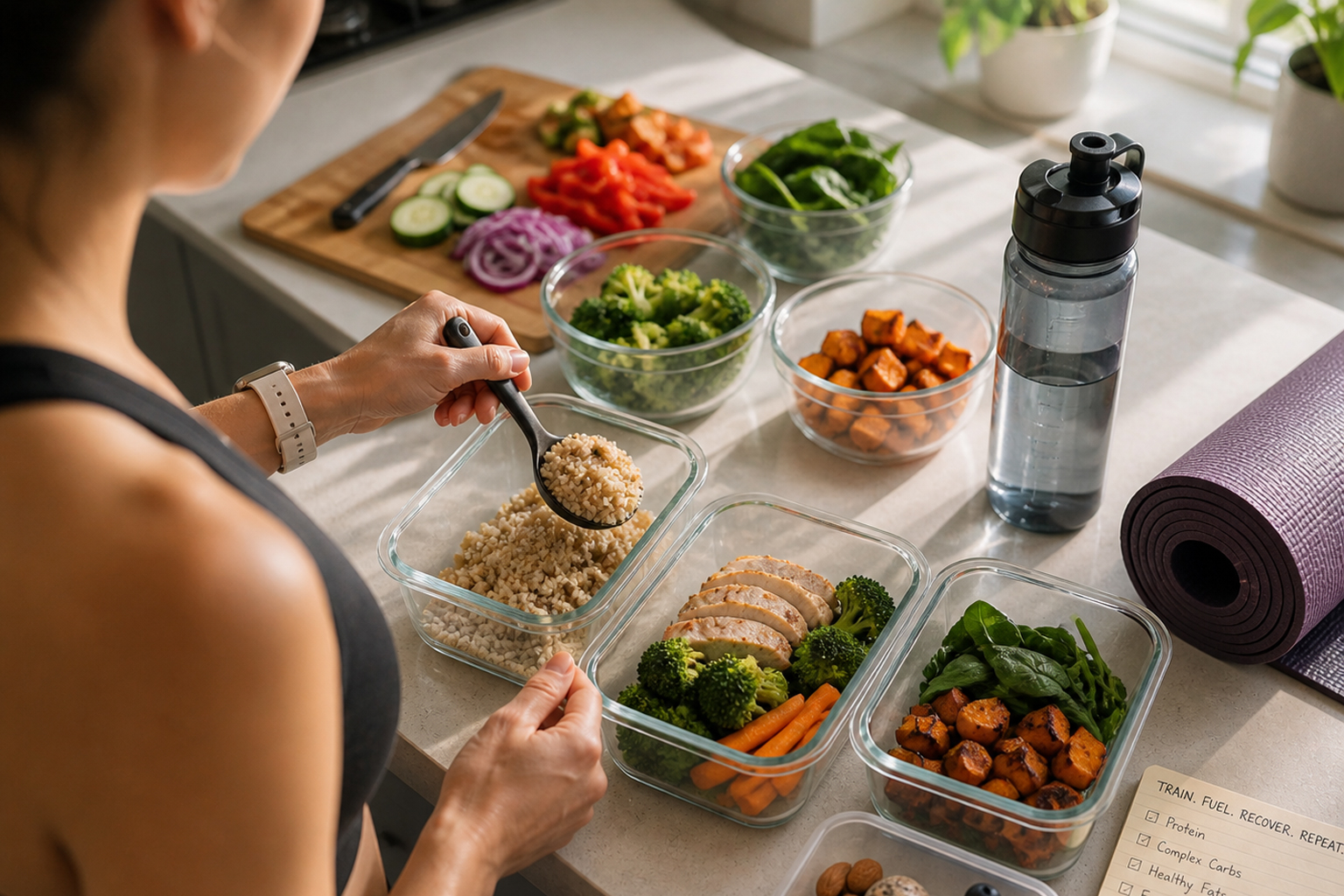
Micro-meals are compact, nutrient-dense bites you can use around short or unexpected training sessions. They should be portable and balanced—think a small whole-grain wrap with hummus and turkey, a smoothie with yogurt and oats, or a handful of nuts plus fruit. Hydration often gets overlooked; drinking water regularly before and after training keeps perceived effort lower and aids recovery. Batch-cooking grains, protein portions, and pre-chopped veggies reduces friction and keeps your rhythm consistent across the week.
Use simple containers and labels to save time and avoid guesswork. Consistent prep reduces stress and makes it more likely you’ll choose the right fuel when it matters.
Conclusion
Adopt modest, repeatable eating blocks that align with your training schedule. Small, consistent choices in meal timing and composition deliver better energy and recovery than occasional strict diets. Start with one rhythm and build from there for steady progress.