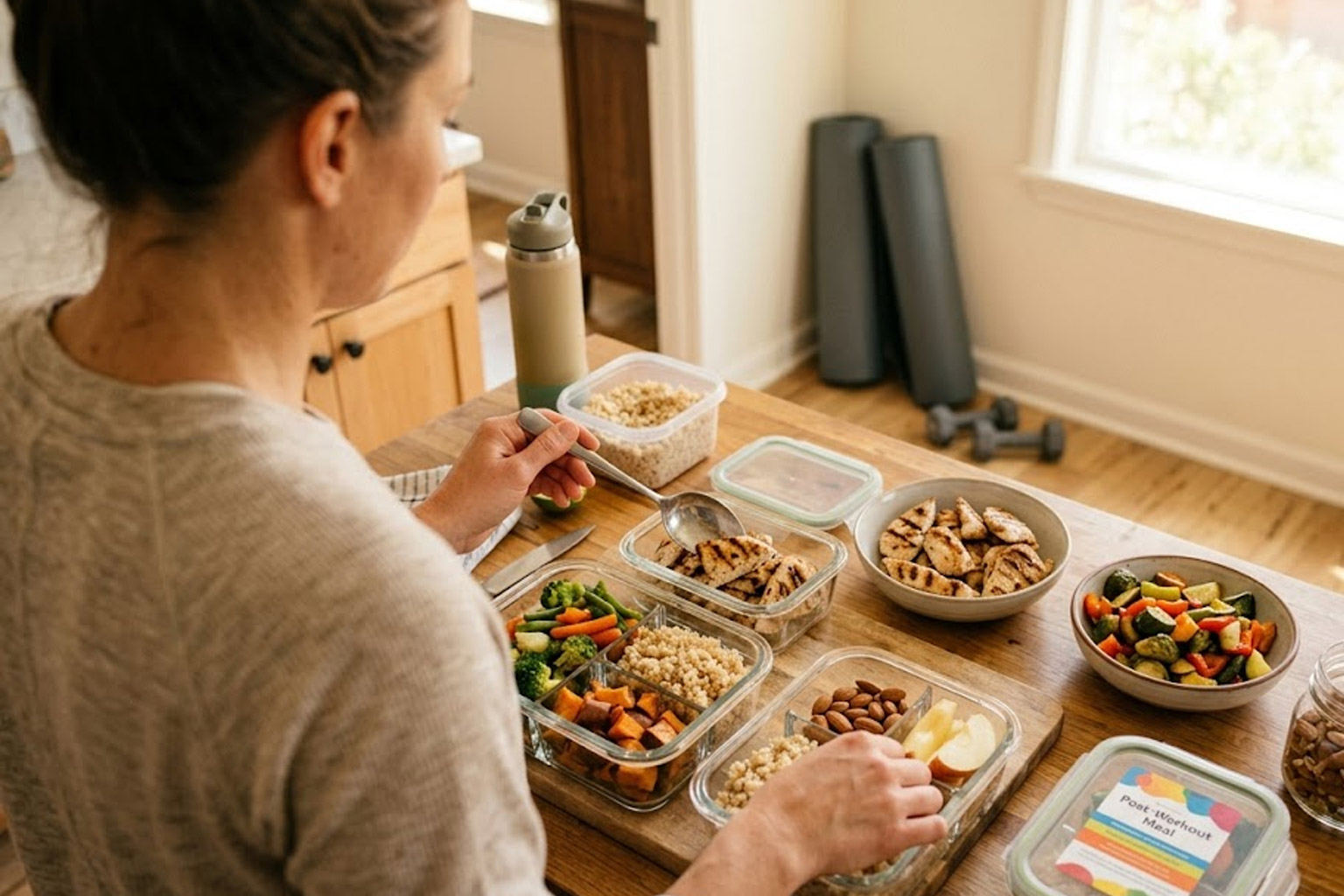
Good nutrition is the foundation of effective home workouts and recovery.
Small, consistent dietary choices support energy, strength gains, and mood throughout the day.
This article outlines practical meal planning, timing strategies, and snack ideas suited for people training at home.
Use these tips to create sustainable eating habits that complement your exercise routine.
Why nutrition matters for home training
What you eat determines how you perform during a session and how quickly you recover afterward. Macronutrients provide energy and building blocks: carbohydrates fuel intensity, protein supports repair, and healthy fats sustain longer efforts. Micronutrients and fiber influence sleep, immunity, and digestive regularity, all of which affect consistency in training. Treat food as a performance tool rather than a reward or afterthought.
Start by assessing your current meals and identifying small swaps that increase nutrient density. Incremental changes are easier to sustain than drastic overhauls.
Timing meals around home workouts
Meal timing influences energy availability and comfort during exercise. Aim for a carbohydrate-rich snack 30–90 minutes before higher-intensity sessions, and include protein within two hours after to support muscle repair. For light or flexibility sessions, a balanced meal a few hours prior is sufficient and may improve focus. Hydration before and during workouts prevents fatigue and supports thermoregulation.
– Small pre-workout options: banana with yogurt or toast with nut butter.
– Post-workout: lean protein and whole grains or a smoothie with protein and fruit.
– For evening training, keep portions moderate to avoid sleep disruption.
Experiment with timing and portions to find what feels best. Individual tolerance varies by workout type and personal digestion.
Building a balanced plate at home
A simple balanced plate contains vegetables, a quality protein source, whole grains or starchy vegetables, and a source of healthy fats. Preparing staples in batches—grains, roasted vegetables, and cooked proteins—reduces friction on busy days and supports consistency. Focus on portion control aligned with your goals: maintenance, fat loss, or muscle gain each require different calorie targets. Variety ensures you meet vitamin and mineral needs without complicated meal plans.
– Use colorful vegetables to cover micronutrient needs.
– Measure protein servings roughly the size of your palm for guidance.
Adapt portions and food choices based on training intensity and weekly volume. Keeping meals straightforward encourages long-term adherence.
Smart snacks and hydration for steady progress
Snacks can bridge gaps between meals and prevent energy slumps that derail workouts. Choose options combining protein and carbohydrates to stabilize blood sugar and support recovery. Hydration with plain water is usually enough, but include electrolytes when workouts are prolonged or you sweat heavily. Prepare portable snacks to avoid reaching for less nutritious convenience foods when time is tight.
– Greek yogurt with fruit and seeds.
– Hummus with vegetable sticks.
– Trail mix with nuts, seeds, and dried fruit in controlled portions.
Mindful snacking supports consistent training and reduces overeating at main meals. Keep simple, nutrient-dense options visible and easy to grab.
Conclusion
Consistent, practical nutrition planning makes home workouts more effective and enjoyable.
Focus on balanced meals, thoughtful timing, and convenient snacks to support your goals.
Small, repeatable habits often produce the most meaningful long-term results.