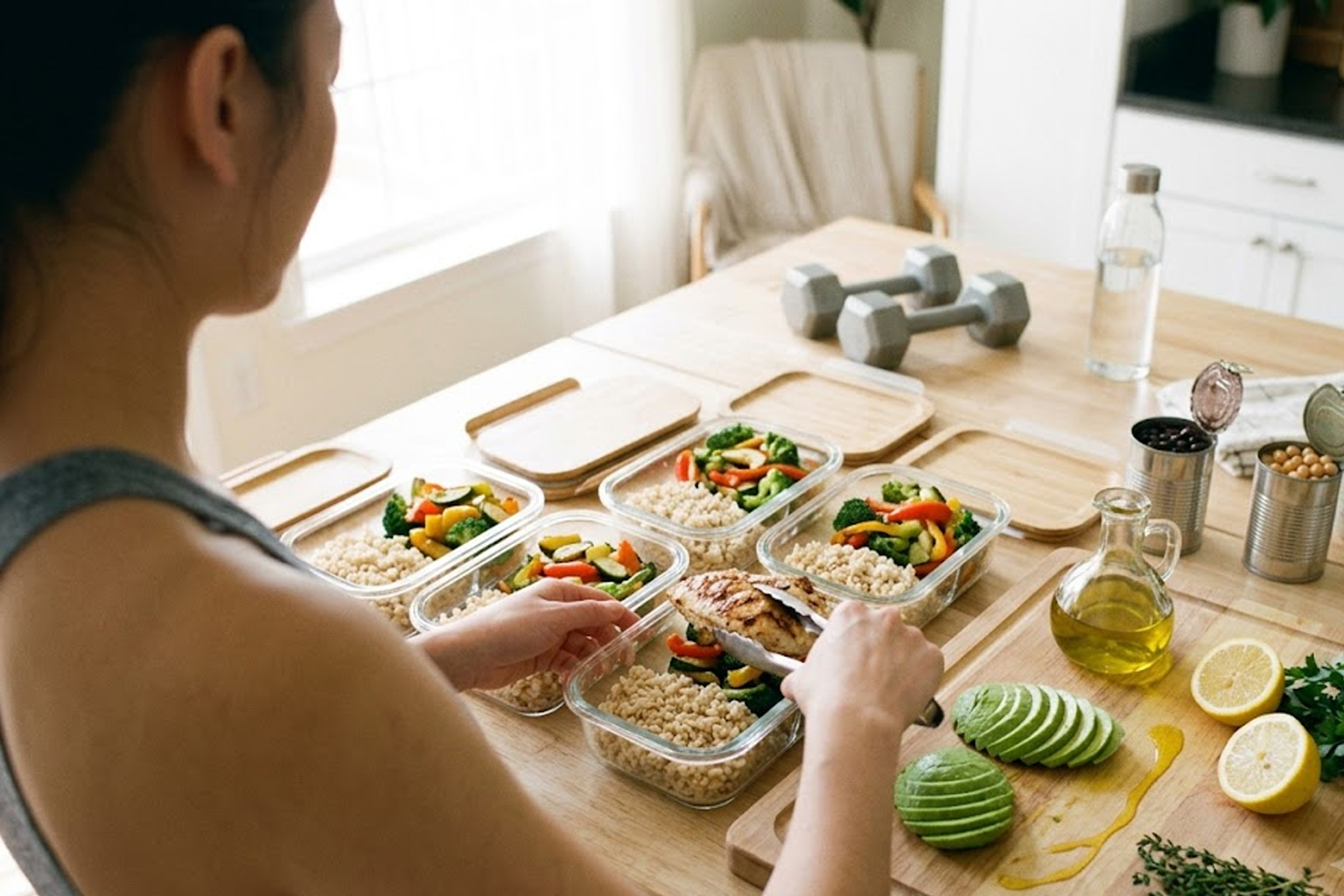
Building consistent meals at home doesn’t require complicated recipes or expensive ingredients. With a few principles you can create balanced plates that fuel workouts, support recovery, and fit everyday schedules. This article outlines core components, practical meal templates, and pantry choices that make nutritious eating manageable. Read on to learn how small adjustments in meal design deliver steady energy and better results from regular training.
Core Components of Balanced Home Meals
A balanced home meal centers on three components: a lean protein source, a deliberate carbohydrate choice, and colorful vegetables for micronutrients and fiber. Including a healthy fat like olive oil, nuts, or avocado helps absorption of fat-soluble vitamins and keeps meals satisfying between sessions. Portion sizes should be tailored to training intensity and goals; active days demand more carbohydrates and slightly larger portions while lighter days call for scaled-back servings. Simple swaps—such as choosing whole grains, canned legumes, or a mix of frozen and fresh produce—can improve nutrition without adding time.
By prioritizing variety and balance within these components, meals become dependable tools for performance and recovery. Consistency in composition beats perfection on any single meal.
Quick Templates for Every Meal
Quick templates reduce decision fatigue and speed meal prep: think “protein + grain + vegetable” for lunch, “omelet + salad + toast” for breakfast, and “stir-fry + rice + greens” for dinner. Batch-cook proteins like roasted chicken, baked tofu, or seasoned lentils so you can assemble multiple meals in minutes. Use simple seasoning strategies—citrus, herbs, vinegars, and spice blends—to keep flavors interesting without complex techniques. Snacks can pair protein with fiber, such as Greek-style yogurt with berries or hummus with sliced vegetables, to smooth blood sugar between meals.
These templates adapt to dietary preferences and make it easier to stick with nutritious choices throughout the week. Rotating a handful of templates prevents monotony while maintaining practical structure.
Stocking a Functional Pantry
A functional pantry focuses on durable staples that combine for quick meals: canned beans, whole grains, nut butters, frozen vegetables, and shelf-stable proteins like canned fish or tofu. Keep a supply of simple sauces and condiments—mustard, soy sauce, tomato paste—to add depth to basic ingredients. Fresh items like onions, citrus, and garlic extend flavor possibilities without expensive shopping lists. Organize staples where they are visible and reachable to encourage use rather than letting them expire unused. Shopping with a short, repeatable list reduces waste and supports consistent meal building.
Over time this approach saves money and removes barriers to eating well on training days. A prepared pantry turns a hectic evening into an opportunity for a nutritious, homemade meal.
Conclusion
Designing practical meal builds at home is about simple choices that support energy and recovery. Prioritize a balance of protein, carbs, fats, and vegetables, adopt a few templates, and stock versatile staples. Small, consistent habits will compound into better performance and sustainable eating patterns.