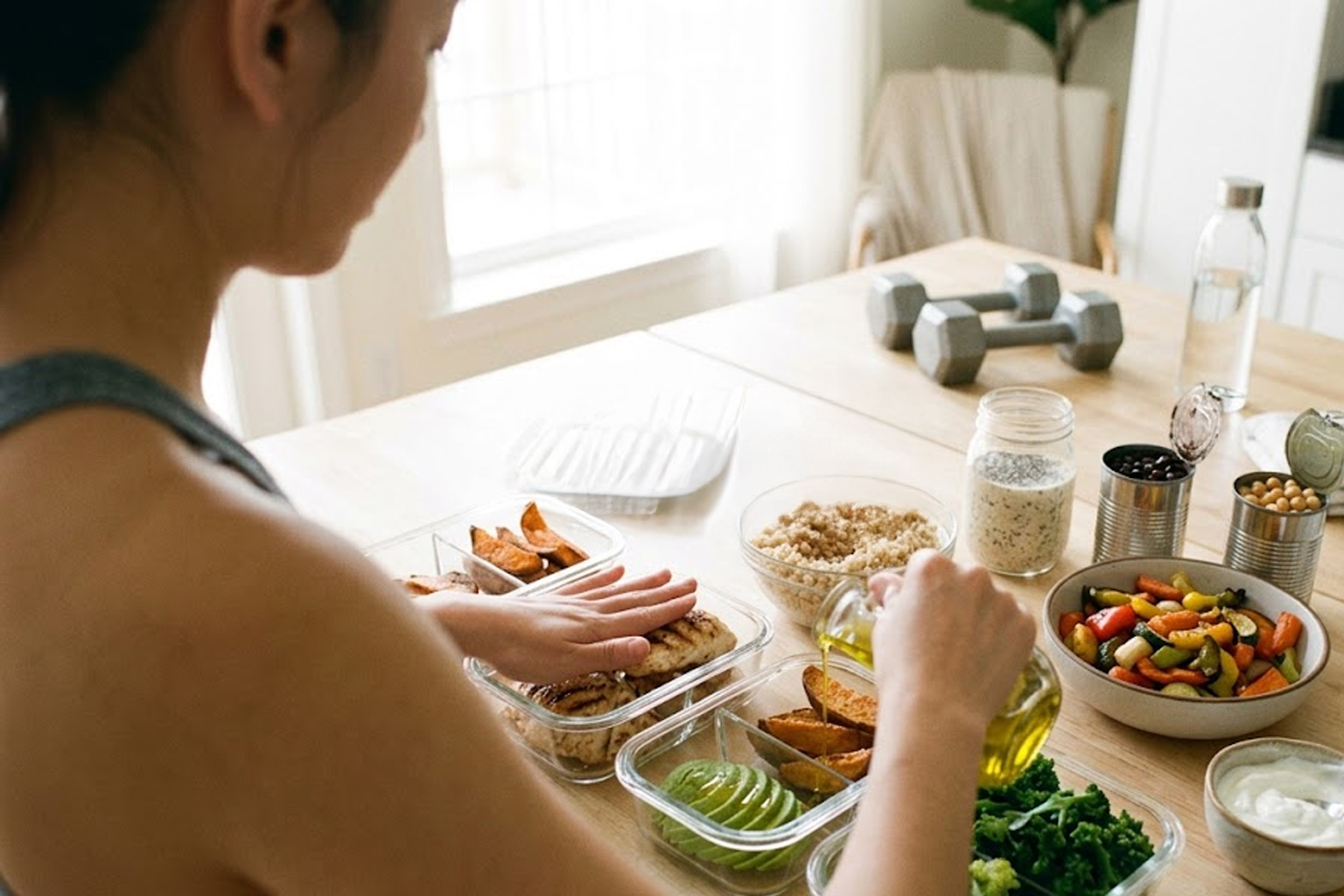
Creating meals that support progress in a home fitness routine doesn’t have to be complicated. Focus on consistent, simple building blocks that provide energy, support recovery, and fit your schedule. Small, repeatable choices around protein, carbohydrates, and fats make meal planning easier and more sustainable. This article outlines practical templates and tips you can use with common pantry and fridge staples.
Start with balanced macronutrient templates
Design each meal around three core macronutrient roles: protein for repair, carbohydrates for energy, and healthy fats for satiety and nutrient absorption. Aim for a palm-sized portion of protein, a cupped-hand portion of complex carbs, and a thumb-sized portion of fat as a starting guideline. Adjust portion sizes based on the intensity and duration of workouts, as well as individual goals like weight maintenance or muscle gain. These templates simplify grocery lists and reduce decision fatigue when preparing food for the week.
Building meals from this template makes it easy to swap ingredients while keeping nutritional balance. Once you master the template, you can create variety without overthinking proportions.
Use whole-food ingredients and simple swaps
Rely on whole foods where possible: lean proteins, whole grains, legumes, fruits, vegetables, nuts, and seeds provide the vitamins and minerals that support performance. Simple swaps—whole-grain rice for white rice, Greek-style yogurt for sour cream, or beans for some red meat—boost fiber and micronutrients without major recipe changes. Keep a handful of versatile staples on hand so you can combine them into multiple meals across the week. Prioritize colorful vegetables and seasonal produce to diversify antioxidants and plant compounds in your diet.
- Staples: oats, canned beans, brown rice, eggs, frozen vegetables.
- Quick swaps: olive oil instead of butter, plain yogurt instead of creamy dressings.
These swaps and staples support both performance and general health while simplifying grocery shopping and meal prep routines.
Practical meal timing and preparation tips
Align eating patterns with your typical workout schedule to maximize energy and recovery without overcomplicating meal timing. A balanced snack 60–90 minutes before exercise and a recovery-focused meal within two hours afterward can support performance and muscle repair. Batch-cook components like grains and roasted vegetables, and portion proteins so assembling meals takes minutes on busy days. Use clear labeling and rotation to avoid food waste and keep mealtime stress low.
Consistent, small habits around timing and prep multiply over weeks into noticeable improvements in energy and adherence to a fitness routine.
Conclusion
Adopt simple macronutrient templates, prioritize whole foods, and use easy preparation strategies to keep nutrition supporting your home workouts. Small swaps and a few staple ingredients create variety without extra effort. Over time, these practices build a resilient and sustainable eating approach that supports fitness progress.