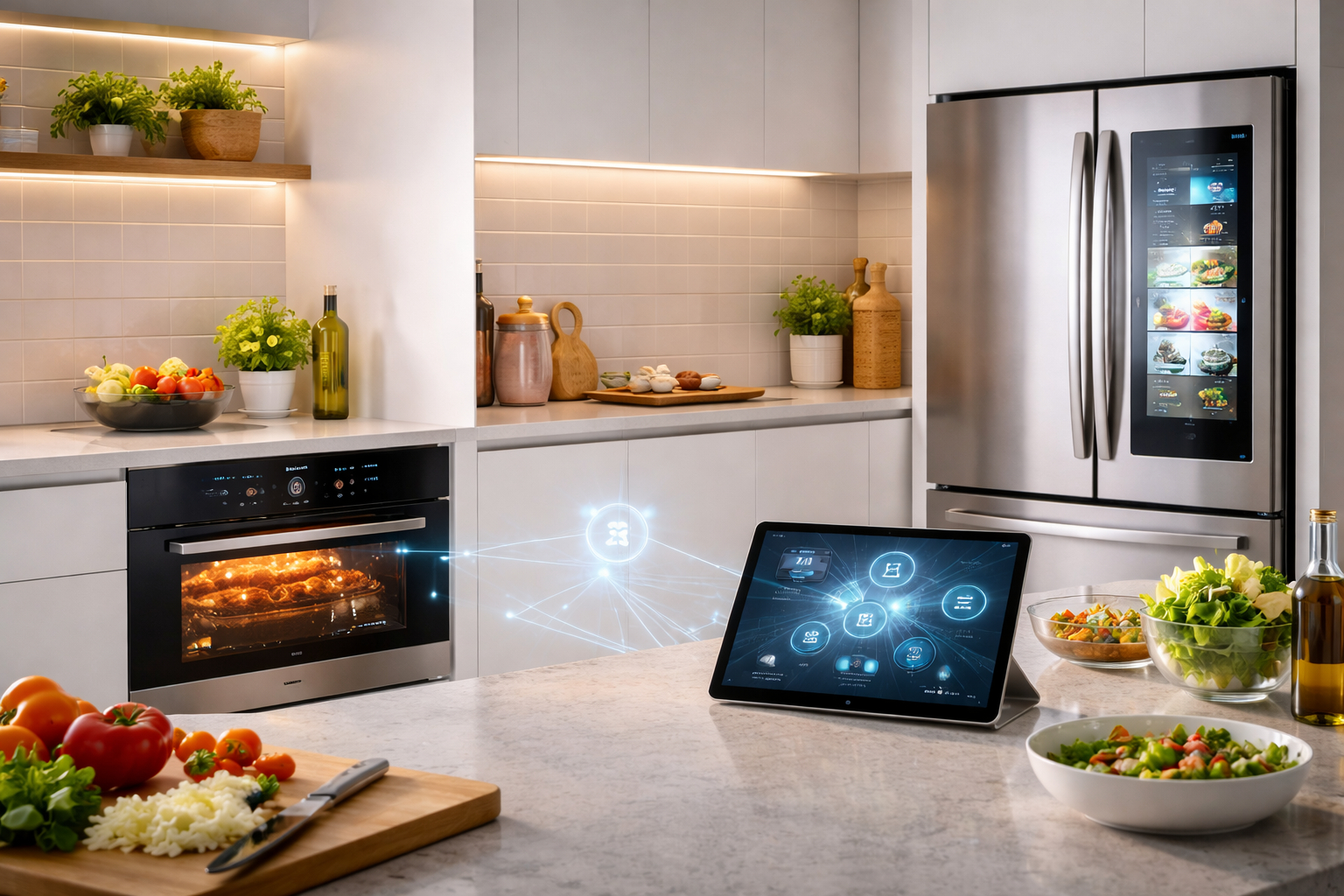
The kitchen is no longer just a place for preparing meals—it is becoming a connected, intelligent environment that adapts to how people cook and live. Smart kitchen technology is reshaping everyday cooking by blending automation, data, and convenience into one seamless experience. From time-saving appliances to intuitive tools, smart kitchens are changing not only how meals are made but also how people interact with food.
The Rise of Connected Kitchen Appliances
Smart kitchens are powered by appliances that communicate with each other and respond to user preferences. Refrigerators track inventory, ovens adjust temperatures automatically, and dishwashers optimize cycles based on load size. These connected tools reduce guesswork and help home cooks achieve consistent results with less effort. Over time, this connectivity creates a more efficient and responsive cooking environment.
Personalized Cooking Experiences
Smart kitchen systems are designed to adapt to individual habits. Appliances can remember preferred settings, suggest cooking times, or adjust functions based on past behavior. This personalization makes cooking more approachable, especially for those with limited experience. By guiding users step by step, smart kitchens reduce errors and increase confidence, turning everyday meals into more enjoyable experiences.
Saving Time and Reducing Waste
One of the biggest advantages of smart kitchens is efficiency. Automated cooking programs, remote monitoring, and app-based controls allow users to manage meals even when away from the kitchen. Smart refrigerators and inventory systems help reduce food waste by highlighting expiration timelines and suggesting meal ideas based on available ingredients. These features support both busy schedules and more sustainable habits.
Enhancing Safety and Energy Efficiency
Smart kitchens also improve safety and energy use. Sensors can detect overheating, shut off appliances automatically, or alert users to potential issues. Energy-efficient modes help reduce power consumption without sacrificing performance. These features provide peace of mind while lowering long-term utility costs, making smart kitchens practical as well as innovative.
The Future of Home Cooking
As technology continues to evolve, smart kitchens will become even more intuitive. Voice integration, predictive cooking tools, and deeper data insights will further streamline meal preparation. These advancements are transforming cooking into a more guided, efficient, and enjoyable process for households of all sizes.
Conclusion
Smart kitchens are revolutionizing cooking by combining convenience, personalization, and efficiency. They simplify everyday tasks while enhancing safety and sustainability. As adoption grows, intelligent kitchens are set to become a central part of modern home living.