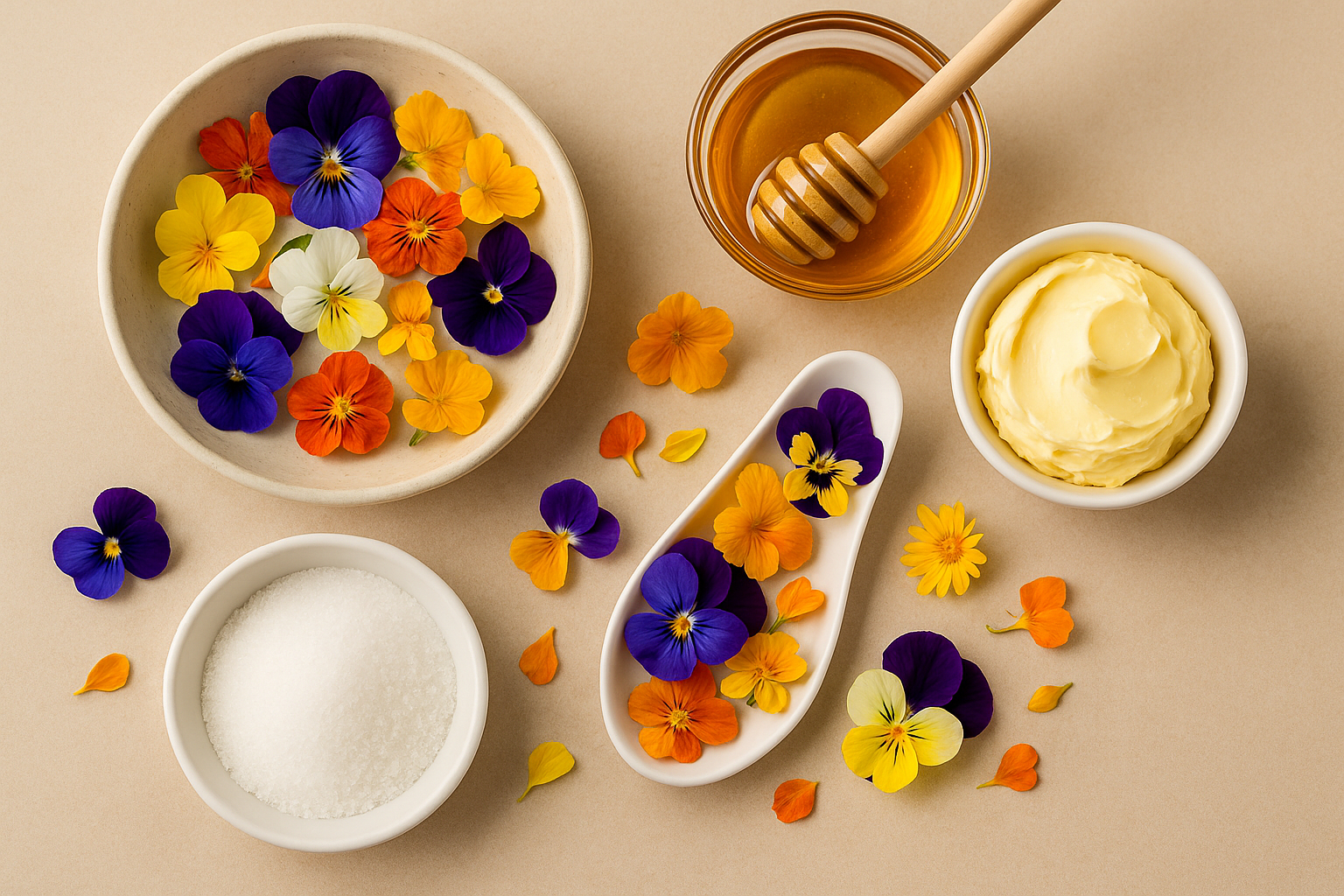
Cooking with edible flowers isn’t just about aesthetics—it’s about adding subtle, aromatic flavors that elevate your dishes. From the delicate sweetness of violets to the peppery bite of nasturtiums, flowers can transform ordinary meals into gourmet experiences. However, working with them requires care, knowledge, and creativity. Let’s explore how to safely and deliciously incorporate edible flowers into your culinary repertoire.
1. Choosing the Right Edible Flowers
Not all flowers are meant to be eaten. Always choose blooms that are confirmed edible and free from pesticides. Popular choices include lavender, hibiscus, pansies, roses, chamomile, nasturtiums, and marigolds. Each flower has its own distinct flavor profile—lavender adds a floral sweetness, while nasturtiums bring a peppery zest. Start with mild-flavored flowers and experiment gradually.
2. Preparing Flowers for Cooking
Gently rinse flowers in cool water to remove dirt or insects, then pat dry with a paper towel. Remove bitter parts like stems and pistils, using only the petals when appropriate. Flowers are best used fresh, but some—like lavender and chamomile—can also be dried for teas, desserts, and seasoning blends.
3. Infusing Floral Flavors in Dishes
Floral flavors can be subtle, so infusion is key. Incorporate them into syrups, butters, or oils to add gentle fragrance and taste. For example, lavender-infused honey enhances baked goods, while rose water adds elegance to desserts like puddings and cakes. You can also steep flowers in cream or milk for floral custards and ice creams.
4. Savory Uses of Edible Flowers
Flowers aren’t just for sweets—they can complement savory dishes beautifully. Nasturtiums, chive blossoms, and marigolds pair well with salads, cheeses, and pastas. Use them to garnish soups or blend them into compound butters for an aromatic twist. A sprinkle of edible petals can add color and sophistication to any plate.
5. Safety and Storage Tips
Only use flowers grown specifically for culinary purposes—never pick them from roadsides or florists, as they may contain harmful chemicals. Store edible flowers in the refrigerator in an airtight container lined with damp paper towels to keep them fresh for a few days.
Conclusion
Cooking with edible flowers is an art that combines beauty, fragrance, and flavor. When used thoughtfully, they add not only visual appeal but also a delightful sensory experience to your meals. Whether you’re infusing syrups, garnishing salads, or decorating desserts, edible flowers let you bring nature’s elegance straight to your table.