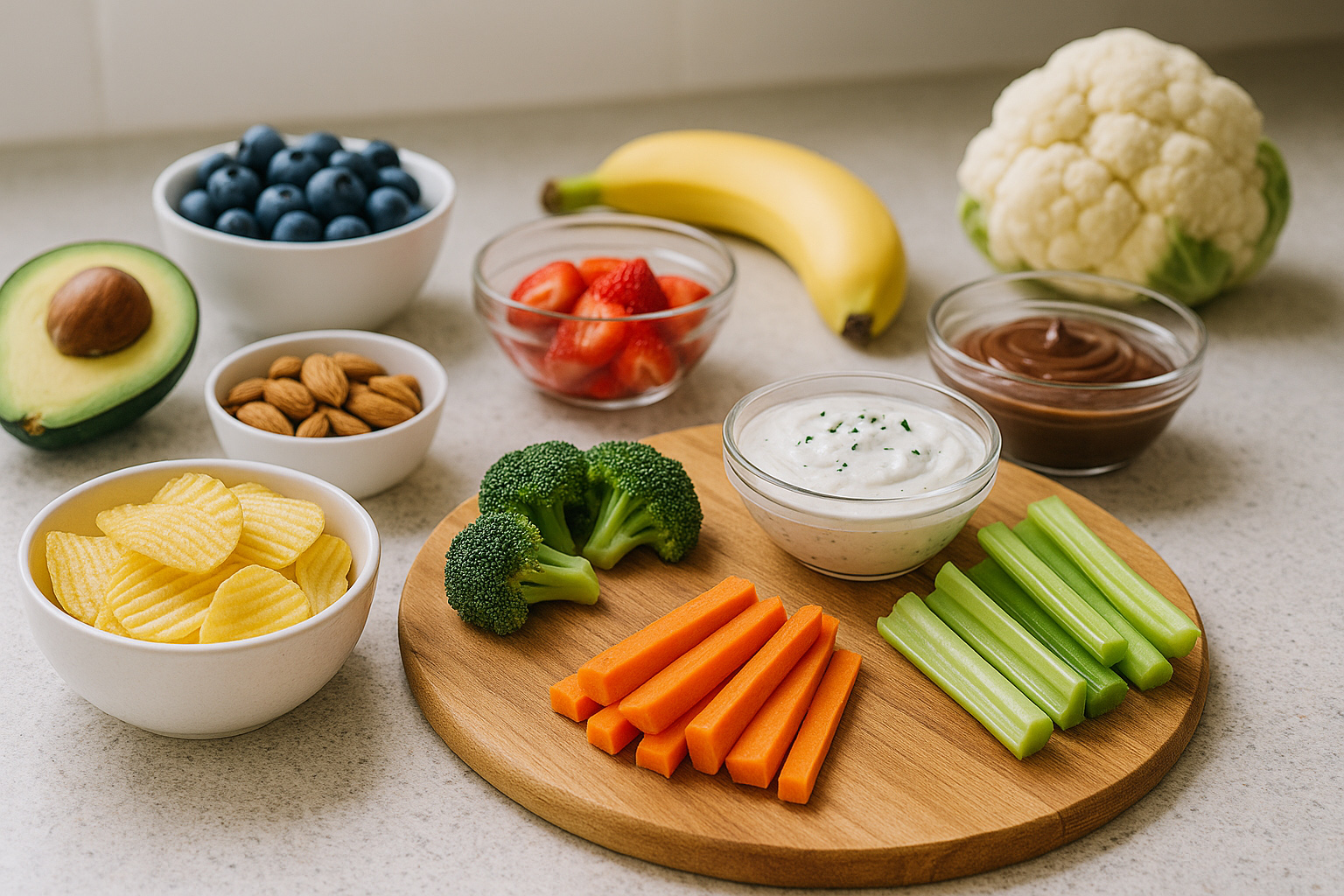
Cravings are a natural part of eating, but they often lead us toward foods high in sugar, salt, and unhealthy fats. Flavor analoging offers a smarter alternative—finding healthier ingredients that mimic the taste, texture, or satisfaction of less nutritious favorites. Instead of restricting yourself, you recreate the flavors you love using better-for-you options. This approach makes healthy eating more enjoyable and sustainable without feeling like a sacrifice.
Why Flavor Analoging Works
Most cravings come from flavor memories rather than nutritional needs. When you want something salty, crunchy, creamy, or sweet, your brain responds to sensory cues, not hunger. Flavor analoging taps into this by substituting ingredients that offer similar sensations with far fewer calories or additives. From crispy roasted chickpeas replacing chips to mashed avocado standing in for heavy mayo, small swaps can make a big difference.
Healthy Ingredients That Mimic Popular Favorites
Many nutritious foods naturally replicate the flavors or textures found in comfort foods. Cauliflower can mimic mashed potatoes or pizza crusts, while Greek yogurt replaces sour cream in dips without losing creaminess. Cocoa powder mixed with dates or bananas can satisfy chocolate cravings and baked sweet potato fries offer the same comforting crunch as traditional fries. These swaps allow you to enjoy familiar tastes while supporting a healthier lifestyle.
How to Use Flavor Analoging Daily
Start by identifying the flavors you crave most—sweet, salty, crunchy, or savory. Then look for whole-food substitutes that offer the same sensory experience. Planning meals around these analogs helps reduce temptations and supports long-term habits. For example, if you love creamy pasta, using blended cashews or pureed cauliflower creates a rich sauce with fewer calories. If crunchy snacks are your weakness, air-popped popcorn or roasted nuts provide satisfying alternatives.
A Sustainable Path to Better Eating
Flavor analoging is not about deprivation—it’s about creativity. It encourages exploring new ingredients and discovering healthier versions of your favorite foods. Over time, these swaps retrain your palate, making healthier choices more appealing. This approach makes nutrition flexible, enjoyable, and easier to maintain.
Conclusion
Flavor analoging helps you enjoy the tastes you crave without guilt. By replacing unhealthy favorites with smart, nutritious substitutes, you can improve your diet while still savoring every bite. It’s a simple strategy with long-lasting benefits for anyone looking to eat healthier in a realistic way.