Simple, consistent food choices make home workouts feel easier and more productive.
This article outlines a practical nutrition framework to support energy, recovery, and long-term progress without complicated rules.
You’ll find approachable macronutrient guidance, timing tips, snack ideas, and pantry staples that work with busy schedules.
Use these strategies to create meals that sustain performance and recovery day after day.
Balancing macros for steady energy
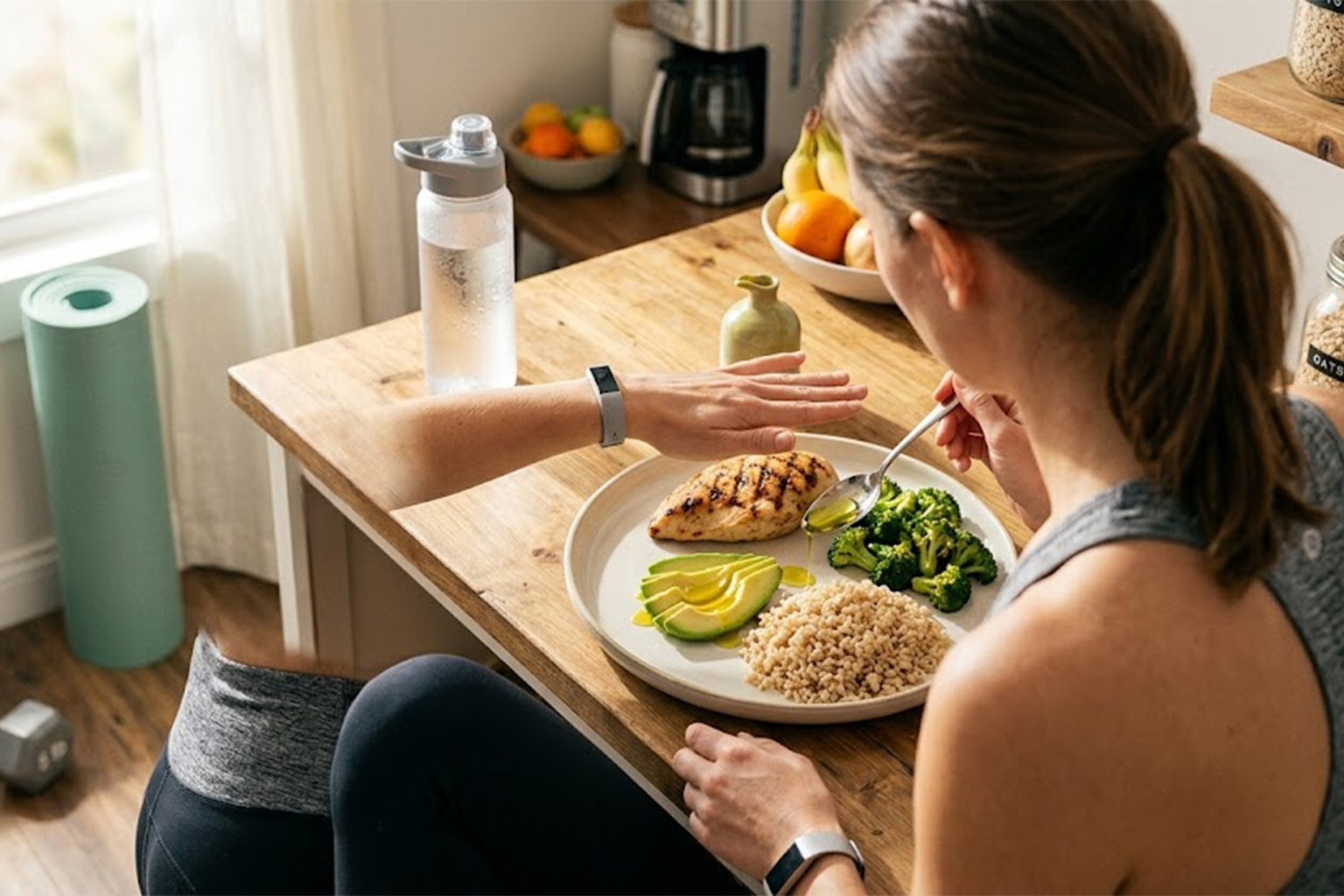
Start with a balanced mix of carbohydrates, protein, and healthy fats at main meals to stabilize energy and support muscle repair. Aim for a palm-sized portion of protein, a cupped hand of carbohydrates, and a thumb of fats as an easy visual guide. Protein helps preserve and build lean tissue, carbohydrates replenish glycogen for longer sessions, and fats keep you satiated between workouts. Adjust portions based on workout intensity and goals, increasing carbohydrate for longer or more intense training days.
Consistent macronutrient balance reduces energy dips and supports steady progress. Treat the guide as a starting point and personalize as you learn what feels best.
Meal timing and practical combos
Meal timing can influence how you feel during exercise but flexibility is key for home routines. Aim to eat a balanced meal two to three hours before a planned session, or a smaller snack 30–60 minutes prior if time is limited. Post-workout focus on protein and some carbohydrates to support recovery and replenish stores without overloading calories. Simple combos like yogurt with fruit and nuts, or a whole-grain toast with egg, provide quick, usable energy.
Experiment with timing to learn what best supports your energy and digestion. Small adjustments can improve workout quality without changing entire meal patterns.
Smart snacks and pantry staples
Stocking a few reliable snacks and staple ingredients makes healthy choices automatic. Focus on whole foods: canned beans, frozen fruit, oats, nuts, seeds, whole-grain wraps, and canned fish or tofu. Portable snacks like nut butter packets, Greek yogurt, or a banana with almonds bridge the gap between meals and workouts. These items require minimal prep and pair well to hit your macronutrient targets on busy days.
Rotate staples to keep meals interesting and meet nutritional needs without extra effort. A well-stocked pantry makes consistency easier and reduces reliance on processed options.
Hydration and recovery foods
Hydration often gets overlooked but is essential for performance and recovery even in short home sessions. Sip water throughout the day and include a small electrolyte source if workouts are long or sweat-heavy. Recovery-focused foods like a lean protein, colorful vegetables, and a starchy carbohydrate help rebuild and restore energy. Also prioritize sleep and consistent meal timing to amplify the benefits of your nutrition choices.
Combine hydration and nutrient-rich foods to speed recovery and maintain energy across the week. Small, consistent actions compound into stronger training sessions and better results over time.
Conclusion
Nutrition for home workouts doesn’t need to be complicated to be effective.
Focus on balanced meals, sensible timing, practical snacks, and steady hydration.
These habits support energy, recovery, and sustainable progress.