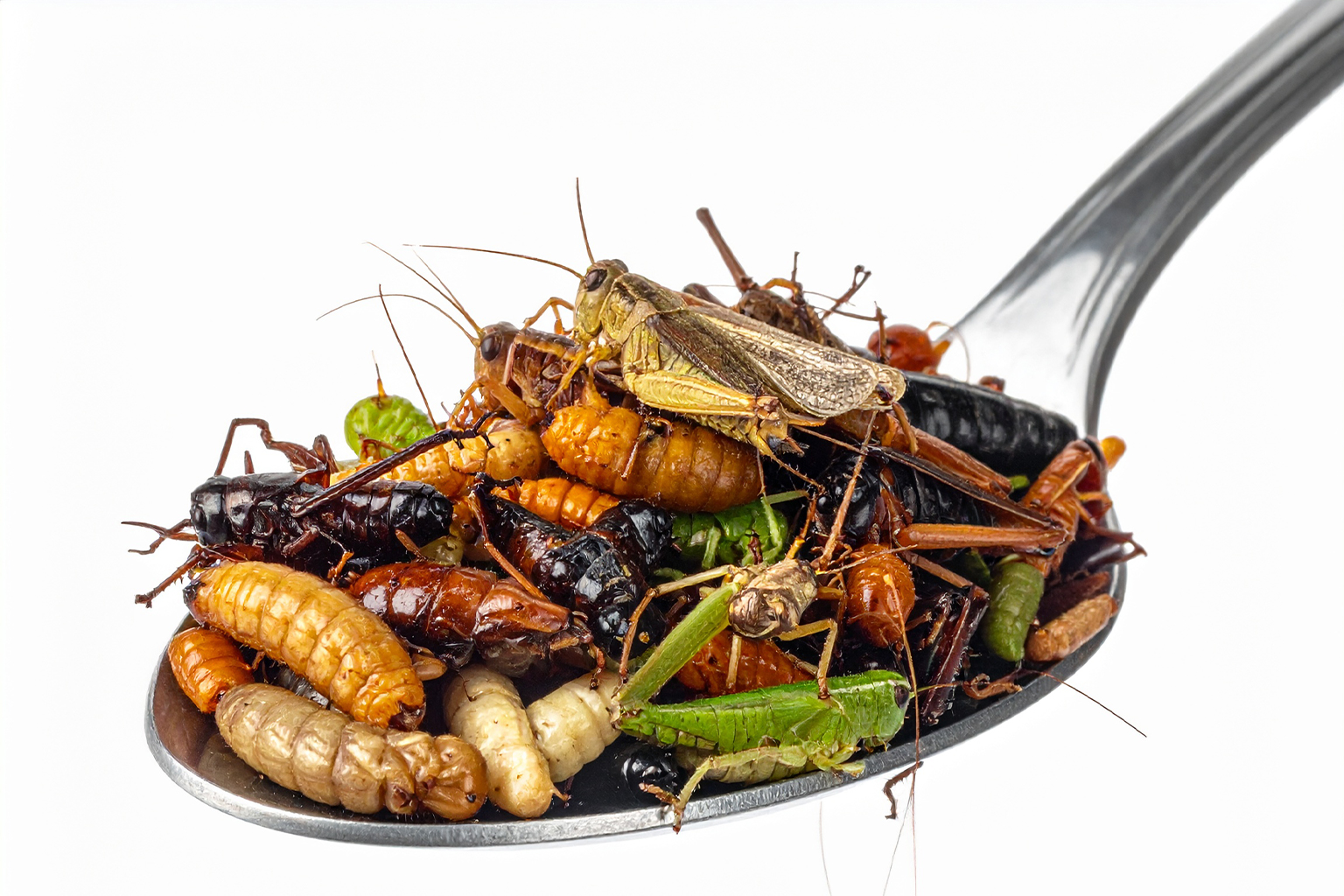
As the global population grows and demand for sustainable protein sources increases, edible insects are gaining attention as a potential solution. Once considered unconventional in Western diets, insects are already part of traditional cuisines in many cultures around the world. Their nutritional benefits, sustainability, and versatility make them a serious contender for the future of food.
Nutritional Powerhouses
Edible insects are rich in protein, healthy fats, fiber, vitamins, and minerals. For example, crickets contain as much protein per gram as beef while also offering essential amino acids and iron. Unlike many plant-based proteins, insect proteins are complete, making them a highly efficient dietary option. This nutrient density makes them attractive for athletes, health-conscious consumers, and populations facing malnutrition.
A Sustainable Alternative
Raising livestock requires large amounts of land, water, and feed, and it contributes significantly to greenhouse gas emissions. Insects, on the other hand, require far fewer resources. They reproduce quickly, thrive in small spaces, and can be fed organic waste. As a result, insect farming offers a more eco-friendly and sustainable way to produce protein for a growing population.
Cultural Acceptance and Challenges
While edible insects are common in countries like Thailand, Mexico, and parts of Africa, they face cultural resistance in many Western nations. The “yuck factor” remains a major barrier to mainstream adoption. To overcome this, companies are introducing insect-based foods in more familiar forms, such as protein bars, flour, and snacks, making them easier for consumers to accept.
The Road Ahead
The edible insect industry is expanding, with startups and research institutions exploring scalable farming methods and innovative products. Governments and organizations are also beginning to support insect protein as part of food security strategies. With rising awareness of sustainability and nutrition, edible insects may transition from novelty to necessity soon.
Conclusion
Edible insects offer a compelling answer to the world’s protein challenges. Nutritious, sustainable, and versatile, they could reshape global diets if cultural barriers are overcome. While they may not replace traditional proteins entirely, insects are poised to play an important role in building a more sustainable food future.