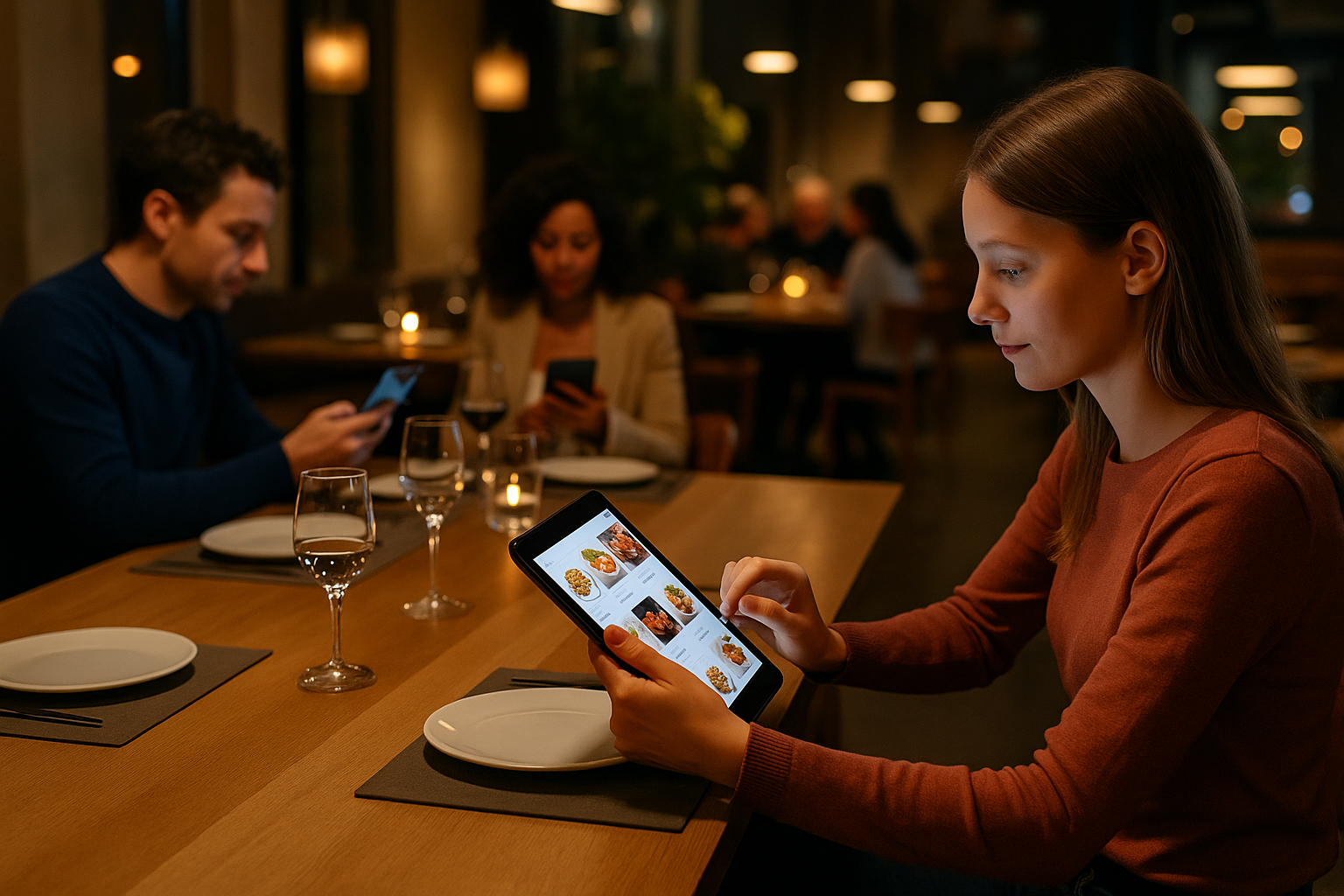
The dining experience is no longer just about food — it’s about convenience, personalization, and technology. As restaurants adapt to the digital age, digital menus have become one of the most transformative innovations in modern dining. From QR code-based menus to AI-powered recommendations, technology is reshaping how guests browse, order, and interact with restaurants — bringing efficiency and engagement to the table.
The Rise of Digital Menus
The shift toward digital menus accelerated during the pandemic, when contactless service became essential. What began as a safety measure has now evolved into a permanent fixture in restaurants worldwide. With a simple scan of a QR code, diners can access interactive menus on their smartphones or tablets, exploring detailed descriptions, images, and even nutritional information — all in real time.
Enhanced Customer Experience
Digital menus elevate the dining experience by offering personalization and interactivity. Customers can filter dishes by dietary preferences, view ingredient details, and see real-time availability. Some advanced systems even use AI to suggest pairings or popular choices based on past orders. Visual appeal also plays a role — high-quality images and videos of dishes entice customers, helping them make faster and more satisfying decisions.
Benefits for Restaurants
For restaurants, digital menus are more than just a tech upgrade — they’re a powerful business tool. They reduce printing costs, minimize errors, and allow instant updates to pricing or seasonal items. Real-time data collection helps restaurants understand customer preferences and optimize menu design. Integration with POS (Point of Sale) systems also streamlines operations, improving order accuracy and reducing wait times.
Sustainability and Accessibility
Beyond convenience, digital menus contribute to sustainability by eliminating paper waste. They also enhance accessibility, offering language translation and text-to-speech options for diverse customer bases. This fusion of technology and inclusivity makes dining experiences smoother and more welcoming for everyone.
Conclusion
Digital restaurant menus represent the future of dining — blending technology, personalization, and sustainability. By putting innovation directly on the table, they’re not just changing how we order food, but redefining the entire restaurant experience. As tech continues to evolve, so will the way we interact with our meals — one tap at a time.