Creating consistent meal routines can make at-home exercise easier to sustain.
Simple frameworks reduce decision fatigue and improve recovery between sessions.
You can design meals around convenience, protein focus, and portion patterns.
This article outlines practical structures you can repeat every week.
Use a few templates and small swaps to keep energy steady.
Why reliable meal routines help
Consistent meal routines shape the daily energy curve and simplify planning. When you rely on familiar plates and snack choices, it becomes easier to hit protein and carbohydrate targets without overthinking. Regular timing and balanced portions support workout performance and speed recovery between sessions. Most importantly, repetition turns good choices into habits that require less willpower. Reducing mental load also helps you keep training plans when life gets busy.
- Steadier energy through the day and around sessions.
- Simpler grocery lists and less prep time.
- Improved recovery and better muscle maintenance.
Start small by repeating two breakfasts and three lunches for the week. That redundancy saves time and clarifies grocery lists.
Three simple plate templates
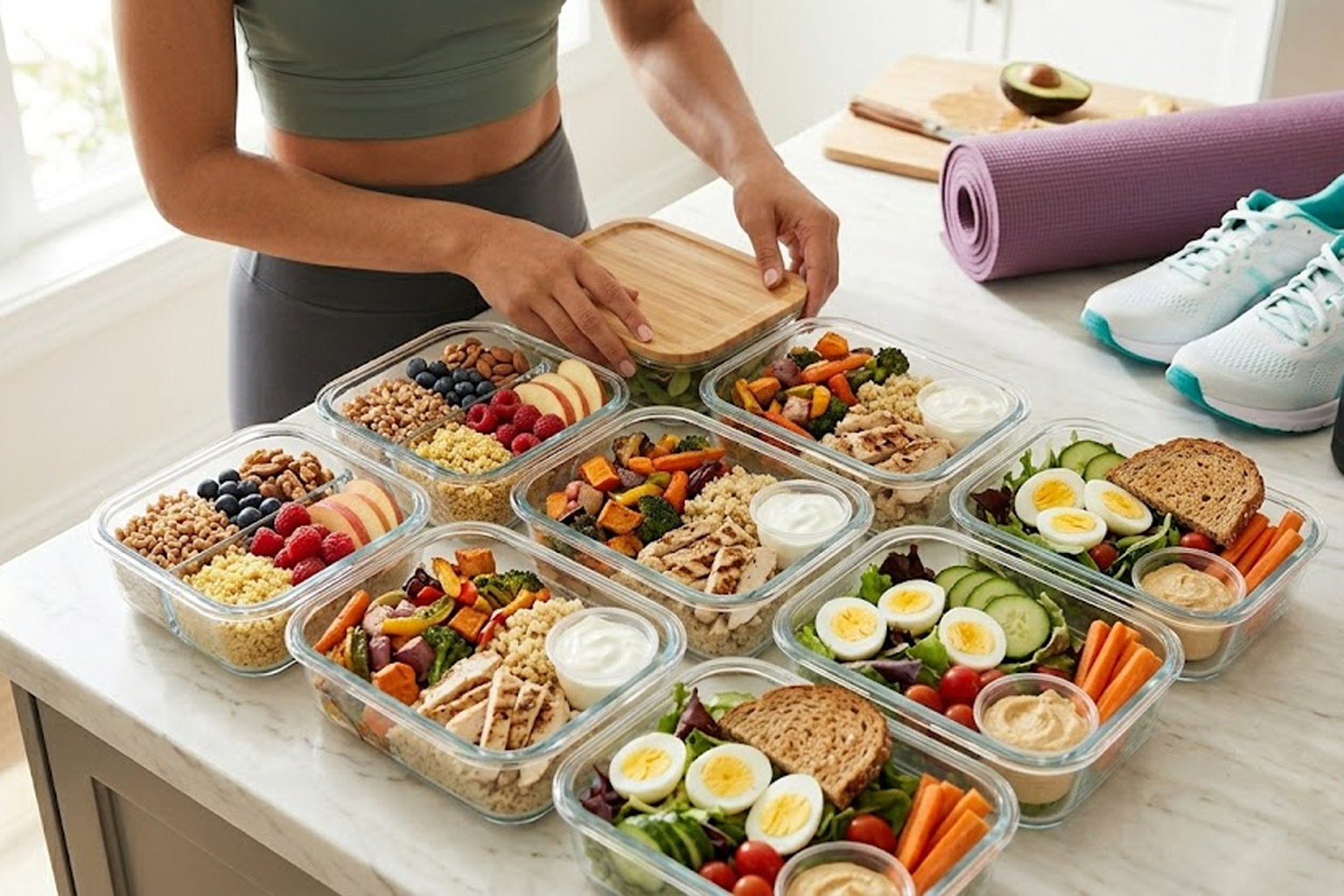
Having three repeatable plate templates covers most daily needs: an energy-focused meal, a recovery meal, and a light session meal. Each template highlights a protein source, a moderate carbohydrate, and vegetables or fruit. Aim for a palm-sized protein portion, a cupped-hand carb portion, and two handfuls of produce. Adjust portion sizes based on session intensity and personal hunger. For most people, 20–30 grams of protein per main meal is a practical target and can be met with modest portions.
- Energy-focused: oatmeal or rice, lean protein, fruit, and a few nuts.
- Recovery-focused: roasted vegetables, quinoa or sweet potato, grilled protein, and yogurt.
- Light-session: a hearty salad with legumes or eggs, a slice of whole grain toast, and fruit.
Rotate these templates through the week and batch-cook components like grains and proteins. That keeps prep manageable and ensures ready meals before workouts.
Snack and timing tips
Smart snacks bridge long gaps and top up energy before short sessions. Choose a mix of protein and carbs about 60–90 minutes before a workout to avoid heaviness during movement. Post-session, prioritize a protein-containing snack within an hour to support muscle repair. Keep portable options on hand to prevent skipping meals. Also pay attention to hydration and avoid large amounts of caffeine immediately before high-intensity sessions.
- Greek yogurt with berries and a spoonful of oats.
- Banana with nut butter and a hard-boiled egg.
- Whole grain toast with cottage cheese and tomato slices.
Consistency beats perfection: small, repeated choices compound into better performance. Use the timing windows and snacks that fit your routine.
Conclusion
Build simple templates, repeat them, and adjust as needed.
Over time those routines reduce friction and support steady progress.
Focus on convenience, protein, and consistent timing to keep energy reliable.