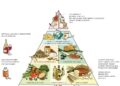
Consistent energy for daily training starts with predictable eating patterns.
A simple routine reduces decision fatigue and keeps meals aligned to activity.
This article outlines practical plate templates, snack ideas, and timing tips.
No strict rules — just repeatable choices that support steady performance.
These small shifts fit into busy schedules without major disruption.
Why a Routine Helps
A predictable eating pattern stabilizes blood sugar and energy across the day. It makes recovery easier by consistently supplying protein and carbohydrates when needed. Routine shortens grocery lists and encourages batch cooking, saving time on busy days. Over time these small habits compound into better training consistency and less fatigue. It also clarifies portioning so you know when to eat more or less.
Start with one change and build gradually to avoid overwhelm. Consistency matters more than perfection for long-term results. Track how you feel to fine-tune portions and timing.
Quick Plate Templates
Three simple plate templates cover most training days and are easy to modify. Each combines a source of protein, whole grains or starchy vegetables, and vegetables or fruit. Adjust portion sizes to match your session intensity and personal appetite. Use the templates as defaults for meals and swap ingredients based on what you have. Rotate grains and proteins to avoid monotony while keeping the structure.
- Breakfast: Greek yogurt or eggs, oats or toast, and berries or banana.
- Lunch: Lean protein, brown rice or sweet potato, and mixed salad or steamed greens.
- Dinner: Grilled protein or legumes, quinoa or potatoes, and a colorful vegetable mix.
Templates reduce decision time and help ensure balanced macronutrients each meal. Keep a small rotation of favorites to simplify shopping and prep. Experiment with spices and sauces to keep flavors interesting.
Smart Snacks and Timing
Snacks bridge long gaps and top up energy before or after sessions. Choose snacks that combine carbohydrate and protein to support performance and recovery. Timing matters: aim for a light snack 30–90 minutes before training and a fuller snack or meal within an hour after. For evening sessions choose lighter, easy-to-digest options to avoid discomfort.
- Pre-session: a banana with a spoon of nut butter or a small yogurt.
- Post-session: a smoothie with fruit, protein powder, and milk or a whole-grain sandwich with lean meat.
Plan snacks into your daily rhythm so they become habitual. This small structure reduces missed meals and energy slumps. Store snacks where you see them so you remember to eat.
Conclusion
Adopt a few repeatable meals and simple snack rules to keep energy steady.
Small, consistent choices beat sporadic strict dieting for most people.
Start with one template and refine it to suit your training and schedule.