Recovery at home often hinges on small choices that add up.
Choosing safer routines and modest adaptations keeps movement steady without overwhelming effort.
Practical tweaks to your schedule, environment, and posture can reduce pain and the chance of setbacks.
Here are straightforward adjustments you can start today to protect mobility while you heal.
Start with short, purposeful movement sessions
Short, focused sessions beat long, variable effort when tissues are still healing.
Aim for multiple five- to ten-minute blocks of activity spread through the day rather than a single long workout.
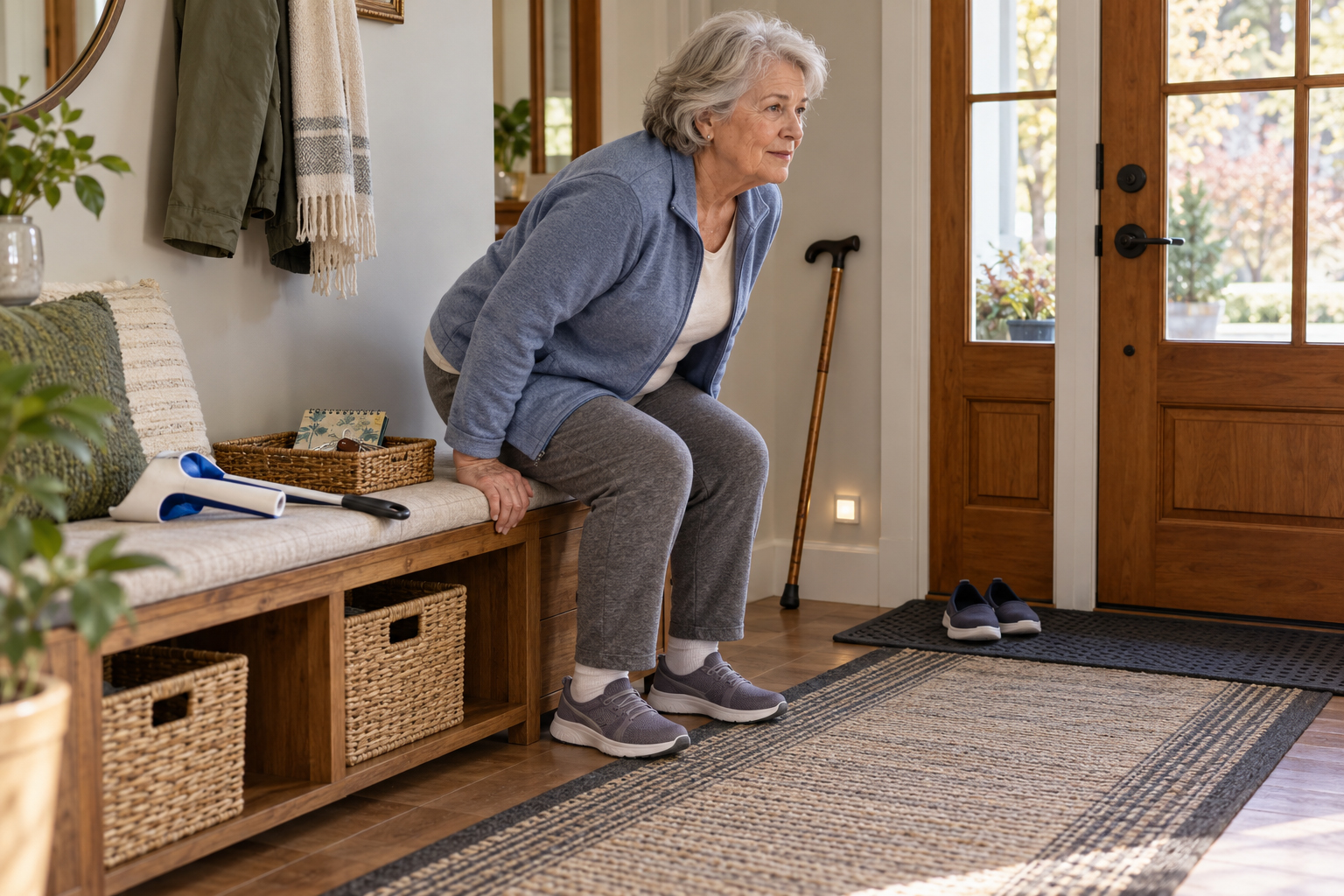
Choose exercises that support everyday tasks — sit-to-stand, gentle step-ups, and controlled balance drills.
Keep intensity low and track how pain and stiffness respond.
Record improvements in a simple log to notice progress and stay motivated.
- Five minutes of sit-to-stand every hour.
- Three gentle balance holds near a counter.
- Short walking intervals between rest periods.
Consistency matters more than intensity; small gains compound.
Adjust repetitions as comfort improves and consult a clinician if new sharp pain occurs.
Reduce environmental risks without big renovation
Focus on lighting, clear walkways, and removing tripping hazards; these make daily moves safer.
Use non-slip rugs or tape, secure loose cords, and keep frequently used items within easy reach.
Consider a nightlight along common paths and stable seating in rooms where you change clothes or rest.
Simple changes like rearranging a chair can prevent a tumble.
Keep a small basket for items you carry so you avoid juggling while walking.
- Bright bulbs and motion nightlights for halls.
- Declutter paths and anchor rugs to the floor.
- Add a shower mat and a secure seat where needed.
These adjustments are inexpensive and fast to implement.
Small investments often pay off by lowering the chance of interruptions to recovery.
Use pacing, posture, and assistive strategies
Pacing your activity preserves energy and reduces flare-ups; alternate effort with rest breaks.
Mindful posture during everyday tasks — hips over feet while standing, neutral spine when lifting — spreads load more evenly.
Temporary use of a cane, sock aid, or long-handled reacher can maintain independence while tissues strengthen.
Practice transfers slowly, using firm grips and stable support.
Practice breathing and gentle core engagement to protect your back during chores.
- Set timers for rests and stretches.
- Use shoehorns and reachers to avoid bending.
- Sit for tasks like dressing when possible.
Avoid rushing progress; steady, protected motion builds durable function.
If recovery stalls or pain worsens, check in with a healthcare provider for tailored guidance.
Conclusion
Small, consistent adjustments to movement and the home environment make recovery more reliable.
Start with brief sessions, remove hazards, and borrow assistive tricks until strength returns.
These practical steps reduce setbacks and help you move with more confidence every day.