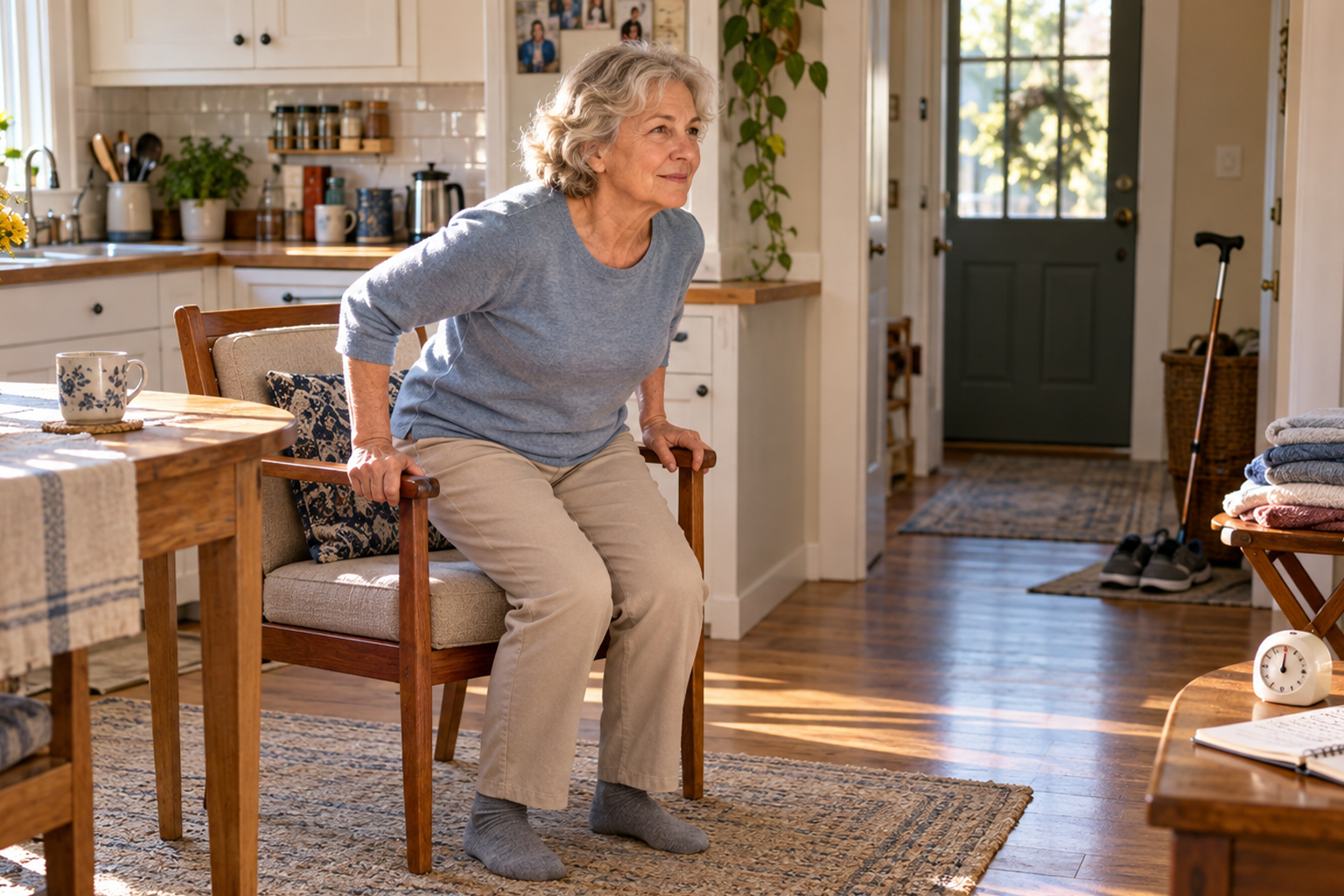
Small, consistent changes at home can ease pain, improve balance, and rebuild confidence when movement feels fragile. You don’t need long workouts or fancy equipment to start; focused habits that respect current limits often produce steady gains. This article highlights simple adjustments and short routines that reduce strain during daily tasks. Read on for practical steps you can try today and keep using tomorrow.
Start with Comfortable, Functional Moves
Begin by choosing three gentle activities that match real life: sit-to-stand, short walks around the living area, and gentle reach-and-bend repetitions. Perform each for one to three minutes, aiming for smooth, controlled motion rather than speed or intensity. Pay attention to breathing and alignment; small posture tweaks can make a big difference in how a movement feels. Track progress by noting if an activity becomes easier or less painful over a week.
Keep sessions brief but frequent, spaced through the day so they feel doable. Over time you can extend a repetition or add a new movement when comfort improves.
Arrange Your Space to Cut Unnecessary Strain
Adjusting how a room is set up reduces awkward reaching, bending, and twisting that often cause setbacks. Place everyday items at waist height when possible, create clear walking routes, and use a stable chair with armrests for safer transitions. Small changes lower the load on sore joints and help preserve energy for purposeful practice. These edits also reduce the temptation to rush or compensate with unsafe postures.
- Move frequently used items to easy-reach shelves or counter space.
- Keep a non-slip rug and clear clutter from pathways.
- Use a stool or chair to sit while folding laundry or preparing meals.
Simple environmental tweaks make moving feel less risky and encourage repetition of helpful habits. They also create reliable cues to remind you to do short practice sessions.
Pace Progression and Watch for Warning Signs
Progress should feel gradual: increase duration or repetitions by small increments and allow rest days. Notice whether pain stays at a manageable level after activity or gets worse the next day; the latter means backing off or modifying the movement. Balance practice with rest, and favor consistency over occasional intense sessions that invite setbacks. If a specific motion causes sharp or unfamiliar symptoms, stop and adjust the approach.
Keeping a simple log of what you do and how you feel helps identify patterns and steady gains. Over weeks, small, safe increases add up to meaningful improvement.
Conclusion
Daily, modest adjustments to movement and the environment reduce strain and support recovery. Short, purposeful sessions and gradual progression help rebuild strength and confidence without overwhelming the body. With a few practical tweaks, everyday life becomes both safer and more comfortable.