A sudden sprain, a fall from equipment, or a sharp strain can turn a routine home workout into an immediate insurance question. Knowing which care to seek and how that choice affects your bill is rarely intuitive in the moment. This article breaks down practical steps to limit costs and speed recovery while you interact with your health plan. Keep the plan simple: treat injury, document it, and follow the insurer’s timelines.
Acting quickly and thoughtfully will make claims smoother and reduce surprise bills. The right first decisions often determine whether this becomes a small medical expense or a lingering dispute. Read on for a clear, three-part approach to care, records, and claims.
Deciding Where to Seek Care
Start by matching the severity of the injury to the appropriate setting: severe trauma or loss of consciousness belongs in the emergency department, while moderate injuries often do better at urgent care or with a primary care visit. Telehealth can be a useful first step for quick triage and to get immediate advice without an expensive ER copay. Check whether your plan requires prior authorization or prefers specific network providers to avoid higher out-of-pocket costs. If you face a true emergency, don’t delay care to confirm benefits; you can sort insurance details afterward.
Choosing the right site of care is the single best way to control initial expenses. When in doubt, contact your insurer’s nurse line or use your plan’s app for quick guidance before heading out.
Record What Happened and Keep Receipts
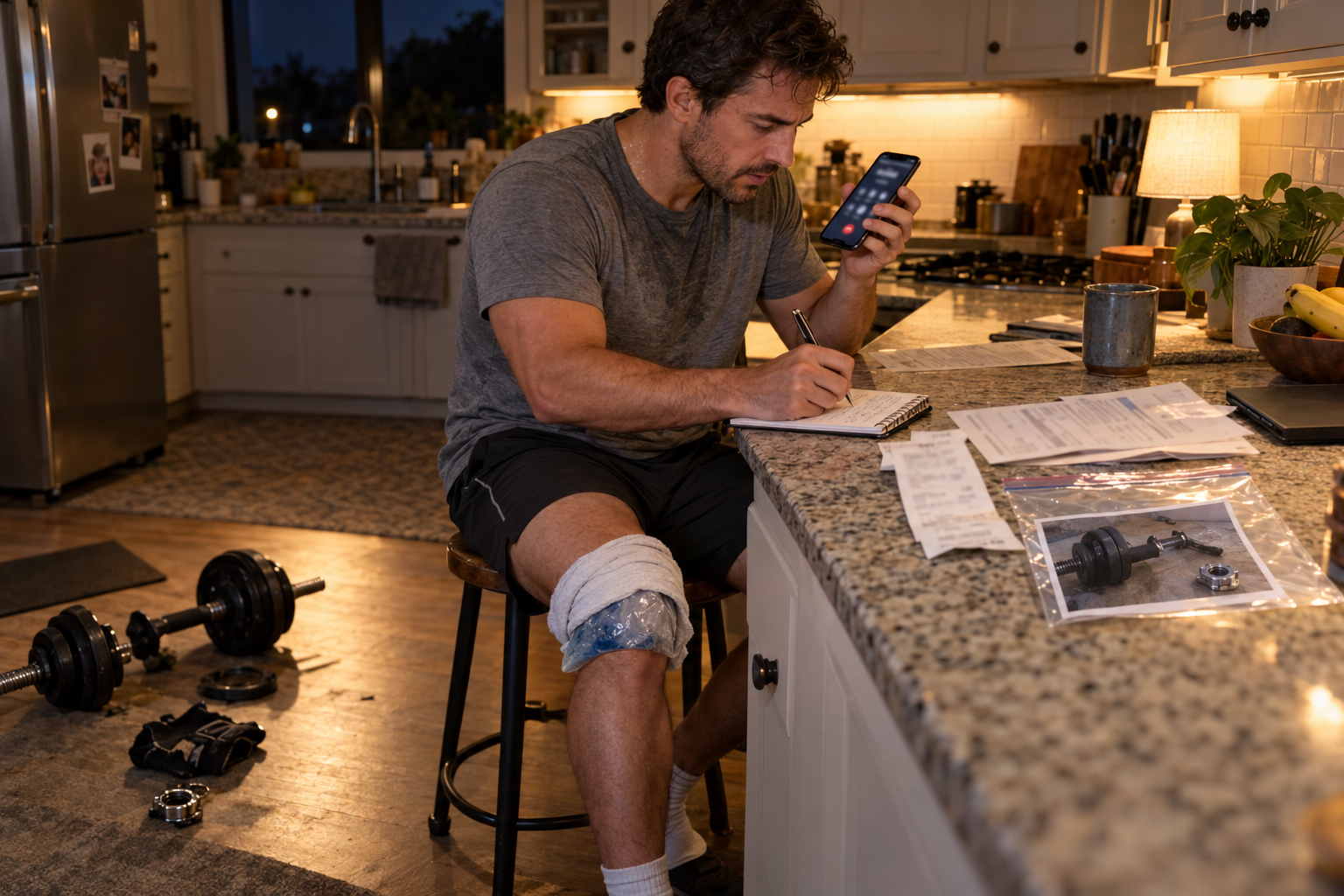
Document the incident as soon as you can: note the time, what exercise or equipment was involved, and a brief description of symptoms and first aid provided. Save all medical paperwork, receipts, and any photos that might support your claim—these details matter when providers and insurers review the visit. If a piece of personal equipment failed, keep it and photograph the damage; property or liability coverage may be relevant if someone else was involved. Clear documentation shortens disputes and helps explain why certain tests or treatments were necessary.
Organize paperwork in one folder or a single photo album on your phone to make claims and appeals faster. A little diligence up front reduces headaches later.
Submitting a Claim and Tracking Costs
File claims promptly and follow insurer instructions for submitting bills, codes, and provider statements; many plans have online portals that speed processing. Review explanations of benefits carefully when they arrive so you understand what was paid, what was denied, and what you owe. If a charge looks wrong, call both your provider and the insurer—billing errors are common and often fixed with a short phone call. Keep a timeline of calls, names, and reference numbers in case you need to escalate.
If a claim is denied, ask why and whether an appeal or additional documentation could reverse the decision. Persistent, documented follow-up usually resolves most issues without formal disputes.
Conclusion
Quick, appropriate care decisions plus careful documentation make the difference in how much you pay and how fast you recover. Use telehealth and nurse lines for early guidance, keep every receipt and note, and track your claim through the insurer’s portal. With a calm, methodical approach you can manage costs and focus on getting back to your routine.