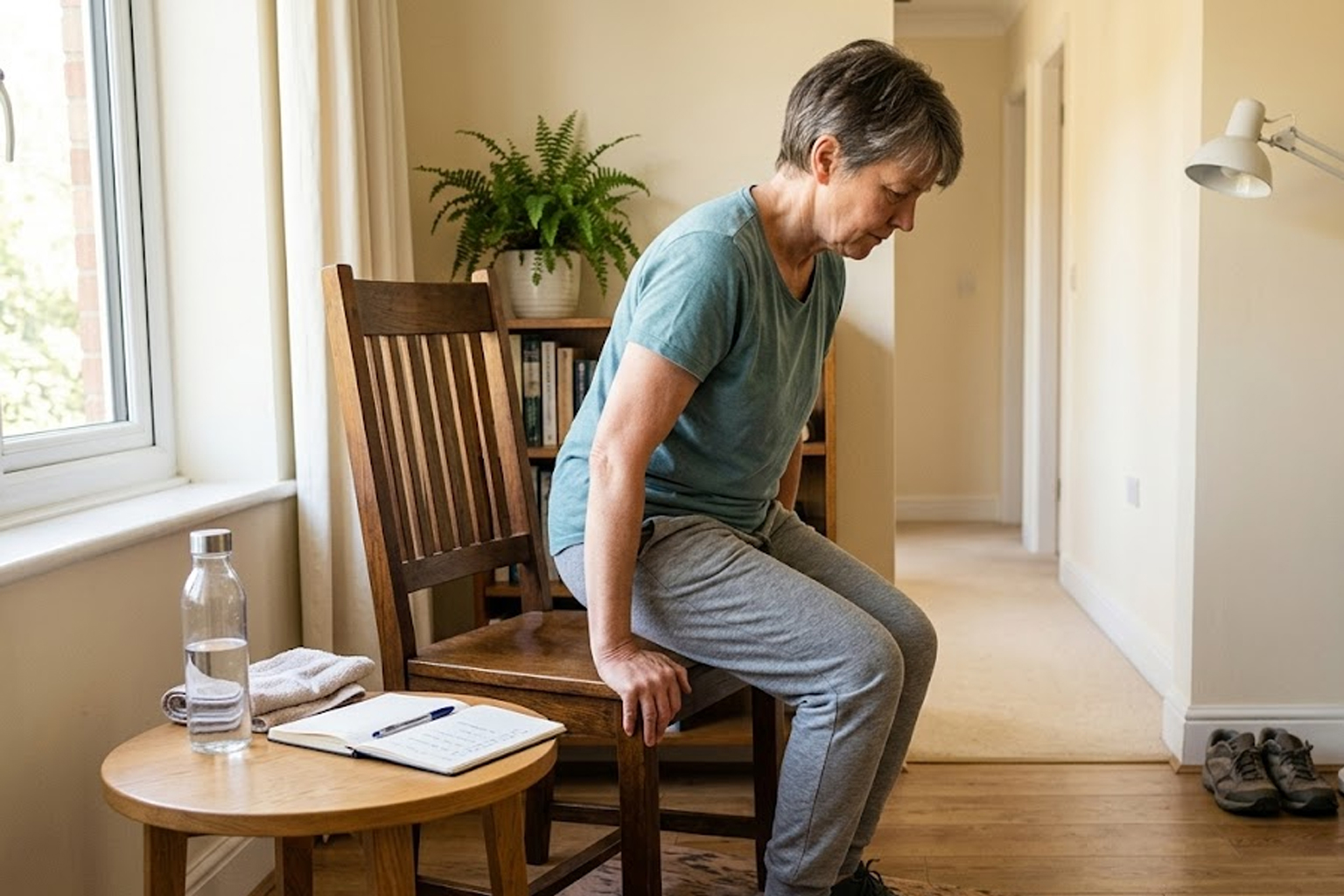
Recovering movement after medical care doesn’t have to feel like a long, confusing project. Small, consistent routines at home can rebuild strength, balance, and confidence without overloading healing tissues. Practical choices—short sessions, safer surroundings, and realistic goals—make progress easier to sustain. Below are clear, usable steps to help you move more safely each day.
Start Slowly and Track Tiny Wins
Begin with brief sessions that focus on control rather than intensity. A two- to five-minute set of gentle standing shifts, seated marches, or ankle circles can prime muscles without causing fatigue. Keep a simple log of what you did and how it felt; noting tiny improvements will steer steady progress. This approach reduces the temptation to do too much too soon and helps you stay consistent.
Celebrate modest gains like a fuller step or steadier balance. Those small wins compound into meaningful functional improvements over weeks.
Set Up Your Home for Safe Movement
A few practical changes at home lower risk and encourage activity. Clear walkways, secure loose rugs, and place a sturdy chair in rooms where you perform exercises or transitions. Consider a bright lamp near pathways and keep essential items within easy reach to avoid unnecessary reaching or twisting. These adjustments remove friction that can interrupt practice and reduce the chance of mishaps.
- Keep a non-slip mat by the shower or tub.
- Store frequently used items at waist level where possible.
- Use stable supports—chairs or counters—during standing exercises.
Small environmental changes make movement safer and less stressful. They also create natural prompts to practice daily routines.
Build Short, Focused Movement Sessions
Design sessions around three to five exercises and repeat them two to four times a day as tolerated. Combine mobility, balance, and low-resistance strength moves: for example, heel raises, sit-to-stands, and gentle hip hinges. Aim for quality of movement—slow, controlled repetitions that maintain good alignment. If pain changes significantly during or after a session, back off the intensity or stop and reassess.
Short, frequent practice beats one long, exhausting session. Over time, increase repetitions or add light resistance as you feel stronger.
When to Seek Professional Guidance
Progress at home is valuable, but certain signs warrant further evaluation. If new or worsening pain, persistent swelling, sudden instability, or unusual numbness appears, contact a clinician or therapist for tailored advice. A professional can adjust exercises, recommend safe progression, and spot issues that home routines might miss. Early guidance can prevent setbacks and help you move forward more confidently.
Use professional input to refine your plan rather than replace sensible home practice. Together, they offer the best path to steady recovery.
Conclusion
Start with short, controlled routines and safer spaces to support gradual progress. Track small improvements and adjust based on how you feel following activity. Seek professional advice if new symptoms arise so you can keep moving forward safely.