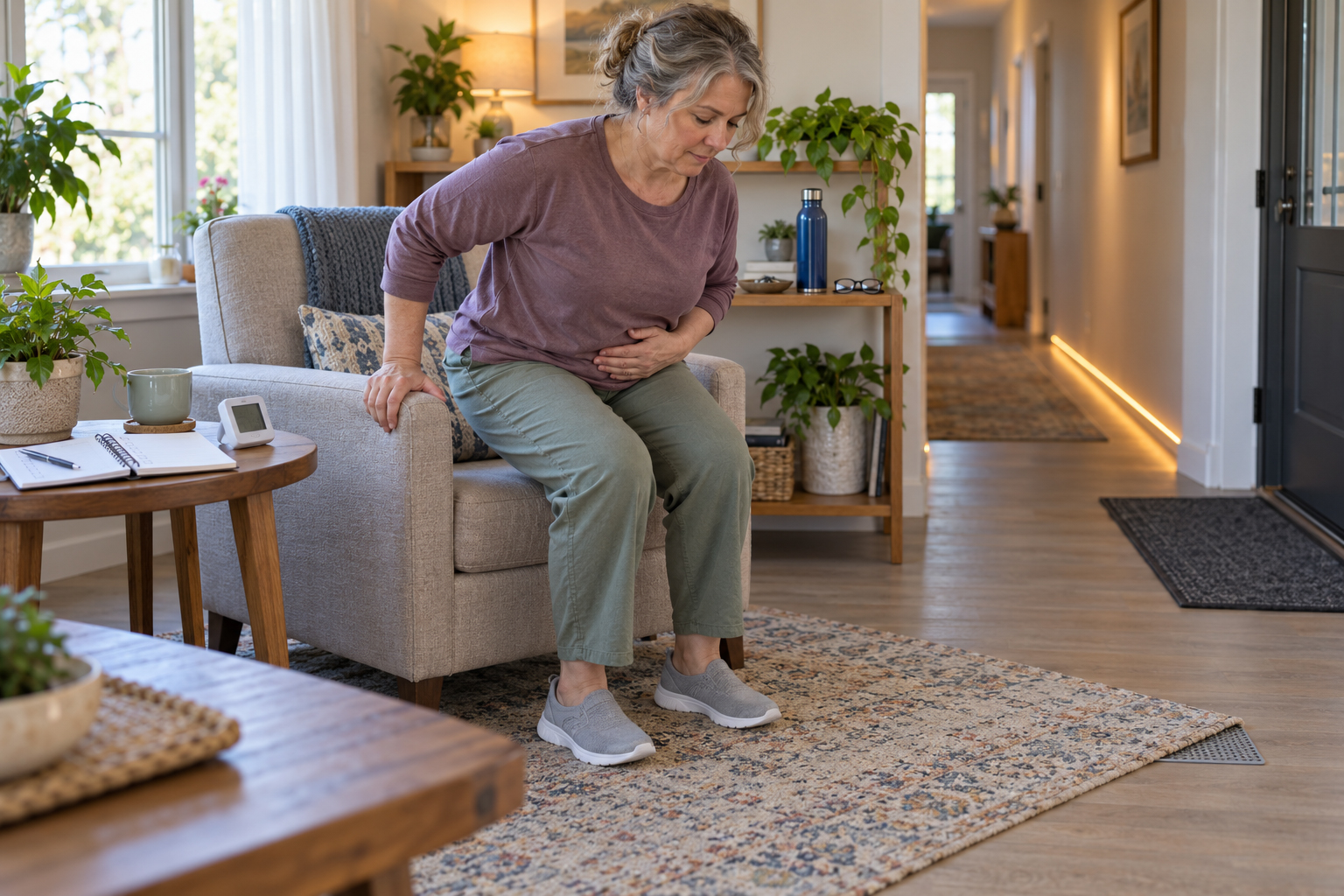
Recovering movement at home often feels like balancing caution with progress. Small changes in how you move and how your space is arranged can make daily tasks less painful and less risky. Focused attention on pacing, steady posture, and a few practical home tweaks usually brings the biggest gains. This approach helps protect healing tissue while encouraging steady improvements in confidence and function.
Pacing and Posture Strategies
Begin by breaking tasks into manageable segments and alternating activity with short rests. Keep posture neutral during standing and sitting: hips stacked over knees, shoulders relaxed, and a gentle core engagement to support the spine. Avoid holding one position for long periods; set a timer if needed to remind yourself to change posture. Moving deliberately reduces spikes in pain and builds resilience without overloading tissues.
Start daily with easy tasks that feel reliable, then add slightly more challenging movements as tolerated. When pain increases, step back by shortening sessions or simplifying the movement pattern. These small adjustments keep progress steady and reduce setbacks.
Simple Home Adjustments to Reduce Risk
Rearrange high-use pathways so they are clear and well lit, and secure rugs or remove loose runners that could trip you. Place frequently used items at waist level to avoid repetitive bending or reaching that strains the back and shoulders. Consider stable seating with armrests to help sit-to-stand motions and a slip-resistant mat in wet areas to prevent falls. These practical tweaks lower daily barriers to safe movement.
- Improve lighting along hallways and stairs.
- Keep a sturdy chair in the bathroom and bedroom.
- Use non-slip pads under rugs and mats.
Small investments in home safety often pay off quickly in reduced discomfort and greater independence. Tackle one area at a time so changes feel manageable and affordable.
Short, Targeted Movement Sessions
Instead of long workouts, aim for several short sessions of focused movement spread through the day. Choose basic patterns: sit-to-stand, controlled steps, gentle trunk rotations, and supported single-leg balance near a counter. Keep sessions brief — five to ten minutes — and prioritize quality of movement over quantity. Repeating short, reliable practice builds strength and coordination without exhausting energy reserves.
Track which movements feel better or worse after practice and adapt accordingly. Gradual progression keeps momentum without provoking flare-ups.
Track Symptoms and Adjust
Keep a simple log of activity, pain, and fatigue to identify patterns and triggers. Note what helps — a rest, a change in posture, a support device — and use that information to refine your daily plan. If symptoms consistently worsen with certain tasks, simplify or pause them and consult a clinician when changes persist. Monitoring promotes smarter decisions and steadier recovery.
Regular review of progress also highlights gains, which supports motivation. Small, documented improvements make it easier to build a sustainable routine.
Conclusion
Practical pacing, mindful posture, and a few home adjustments make everyday movement safer and more comfortable. Short, focused practice sessions and symptom tracking help you progress without setbacks. Start small, be consistent, and adapt as you learn what works best for your recovery.