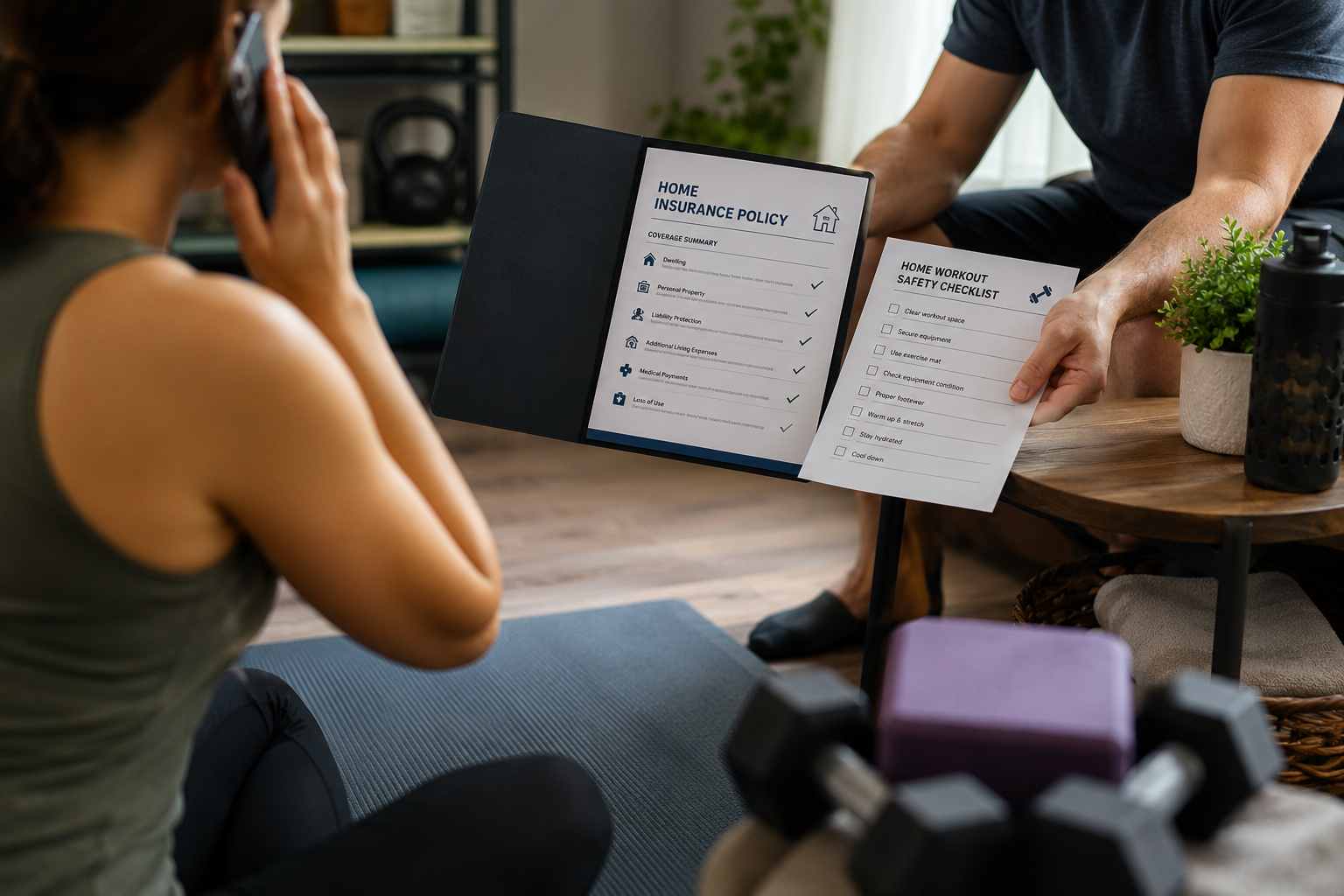
Starting a regular home workout routine is an exciting step toward better health, but it also raises practical questions about medical coverage. Before you invest in equipment or increase training intensity, it helps to understand how your health policy will respond to common fitness-related incidents. This short guide highlights the key insurance questions to ask so you can train with more confidence and fewer surprises. Reviewing these items now can reduce delays and unexpected costs if an injury occurs.
Start With Coverage Basics
Begin by confirming which settings and providers your plan covers when an injury occurs at home. Ask whether telehealth consultations, urgent care visits, emergency care, and physical therapy require prior authorization and how referral rules apply. Understand deductible and copay structures for both in-network and out-of-network providers, since prompt care choices often affect costs. Verify any limits on rehabilitation sessions or durable medical equipment that might be recommended after an injury.
Clear answers to these foundational questions make it easier to plan initial responses to common fitness injuries. Keep a written summary of what you learn for quick reference.
Documenting Incidents and Filing Claims
Good documentation improves the odds of smooth claims processing and faster reimbursement. Learn what evidence your insurer expects, such as provider notes, diagnostic tests, photos of the injury site, or a timeline of the incident and symptoms. Ask about the expected timeline for submitting claims and the appeals process if coverage is denied. Also confirm whether virtual appointment notes or home-visit provider statements are accepted as valid documentation.
Having a simple documentation checklist can save time and reduce friction if you need to file a claim. Store records digitally so they are accessible when speaking with insurers or providers.
Manage Costs and Maximize Benefits
Explore plan features and optional add-ons that influence out-of-pocket exposure for active people. Consider questions around health savings accounts (HSAs) or flexible spending accounts (FSAs) and whether preventive services or injury prevention programs receive any coverage. Ask about network options for sports medicine specialists and whether preauthorization is required for imaging or specialist referrals. Review benefit maximums and out-of-pocket caps that could apply during a recovery.
- Confirm coverage for physical therapy and duration limits.
- Ask whether tele-rehab or remote monitoring is supported.
- Check if durable medical equipment is reimbursable.
Comparing these details across plans or add-ons helps you choose options that balance monthly premiums and potential recovery costs. Small adjustments in plan choice can produce meaningful savings after an injury.
Conclusion
Asking targeted insurance questions before you establish a home fitness habit reduces uncertainty and financial risk. Keep concise notes from conversations with insurers and providers so you can act quickly after an incident. With clarity on coverage, documentation, and cost management, you can focus on training while protecting your health and finances.