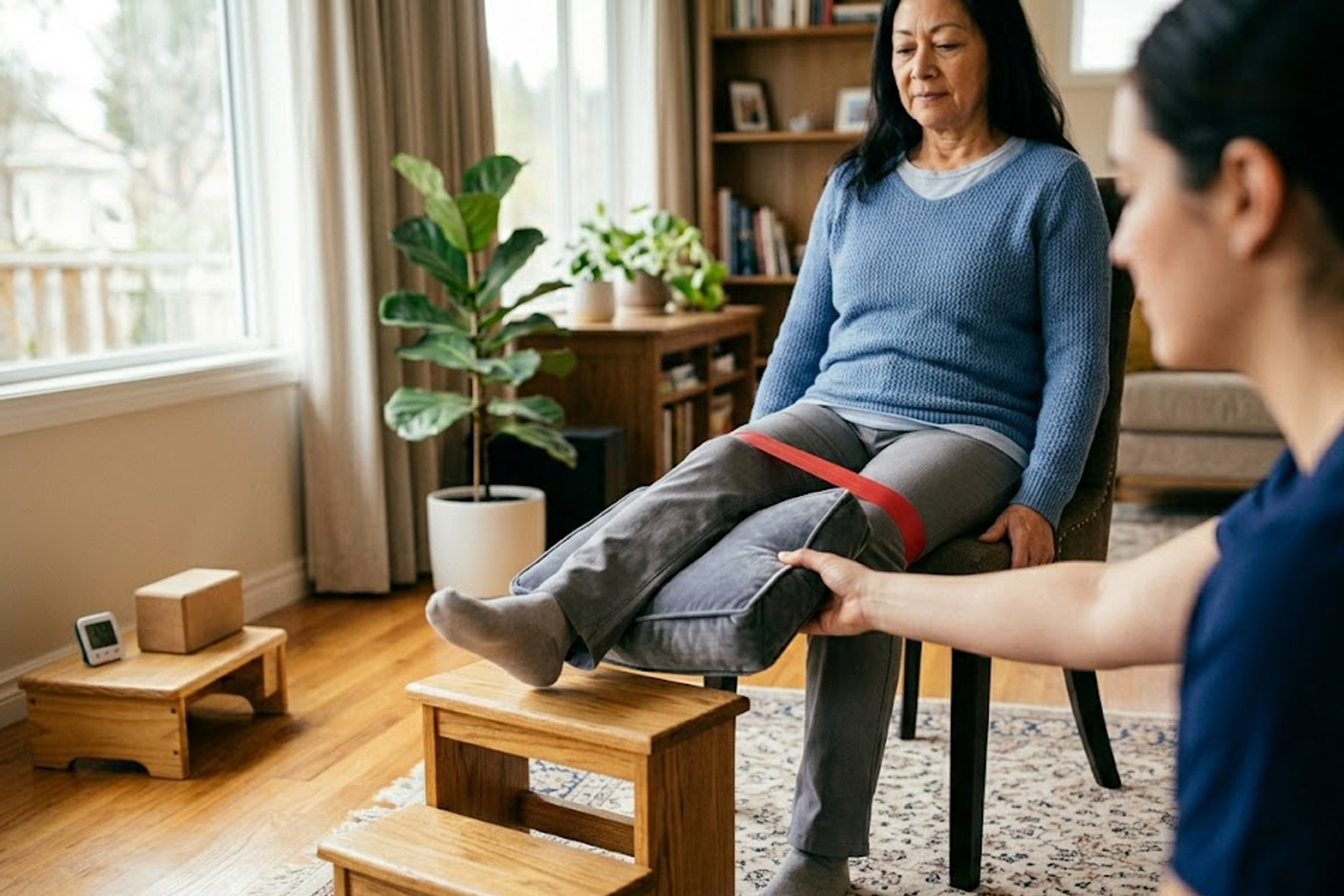
Recovering comfortable movement often begins with consistent daily habits that respect current ability and encourage gradual improvement.
A clear, simple routine at home can reduce unnecessary strain and support steady gains in strength and mobility.
This article outlines practical principles you can apply without special equipment and with minimal time commitment.
Focus on small, repeatable actions and mindful adjustments to everyday tasks to rebuild joint function safely.
These approaches aim to help you move more reliably and with less discomfort over weeks and months.
Movement Principles
Start with controlled, pain-aware movement that emphasizes quality over quantity. Perform slow, available-range repetitions that feel manageable and avoid sharp increases in symptoms. Include both gentle mobility work and low-load strengthening to address flexibility and muscular support around joints. Prioritize symmetry and neutral alignment during exercises to reduce compensatory stress.
Consistency matters more than intensity in the early stages. Short, frequent sessions are often more productive than occasional long ones. Over time, increase challenge by adding repetitions, improving control, or introducing light resistance.
Practical Home Setup
Create an environment that encourages safe movement and reduces needless strain. Arrange common work and rest areas so you can alternate positions easily and avoid prolonged awkward postures. Keep essential items within comfortable reach and use supportive seating when needed. A few inexpensive items like a firm pillow, resistance band, or a stable step can expand your options for home practice.
- Designate a short clear space for daily movement, free of trip hazards.
- Set visible cues or reminders to move every 30–60 minutes during sedentary periods.
- Use simple props to modify tasks (elevate tasks to reduce bending, sit for grooming, etc.).
Small setup changes remove barriers and make the healthier choice the easier one. When your environment supports frequent, safe practice, improvements tend to accumulate more reliably.
Pacing and Progressions
Respecting tolerance and planning gradual increases prevents setbacks and keeps progress steady. Track how activities affect your comfort over 24–72 hours and adjust the load or frequency accordingly. Use modest progressions such as adding a few reps, increasing range slightly, or extending a daily practice by a minute or two. Integrate rest and recovery strategies like brief pauses, gentle stretching, and sleep hygiene to support adaptation.
Regular review of what helps and what flares symptoms guides safer decisions. When in doubt, scale back and reintroduce changes more slowly to sustain gains over time.
Conclusion
Practical home strategies, focused on consistent, low-risk movement and an accommodating setup, rebuild joint function over time.
Small, well-paced progressions and attention to alignment limit flare-ups and encourage reliable improvement.
With steady habits and sensible adjustments, everyday activities become opportunities for gradual recovery and greater comfort.