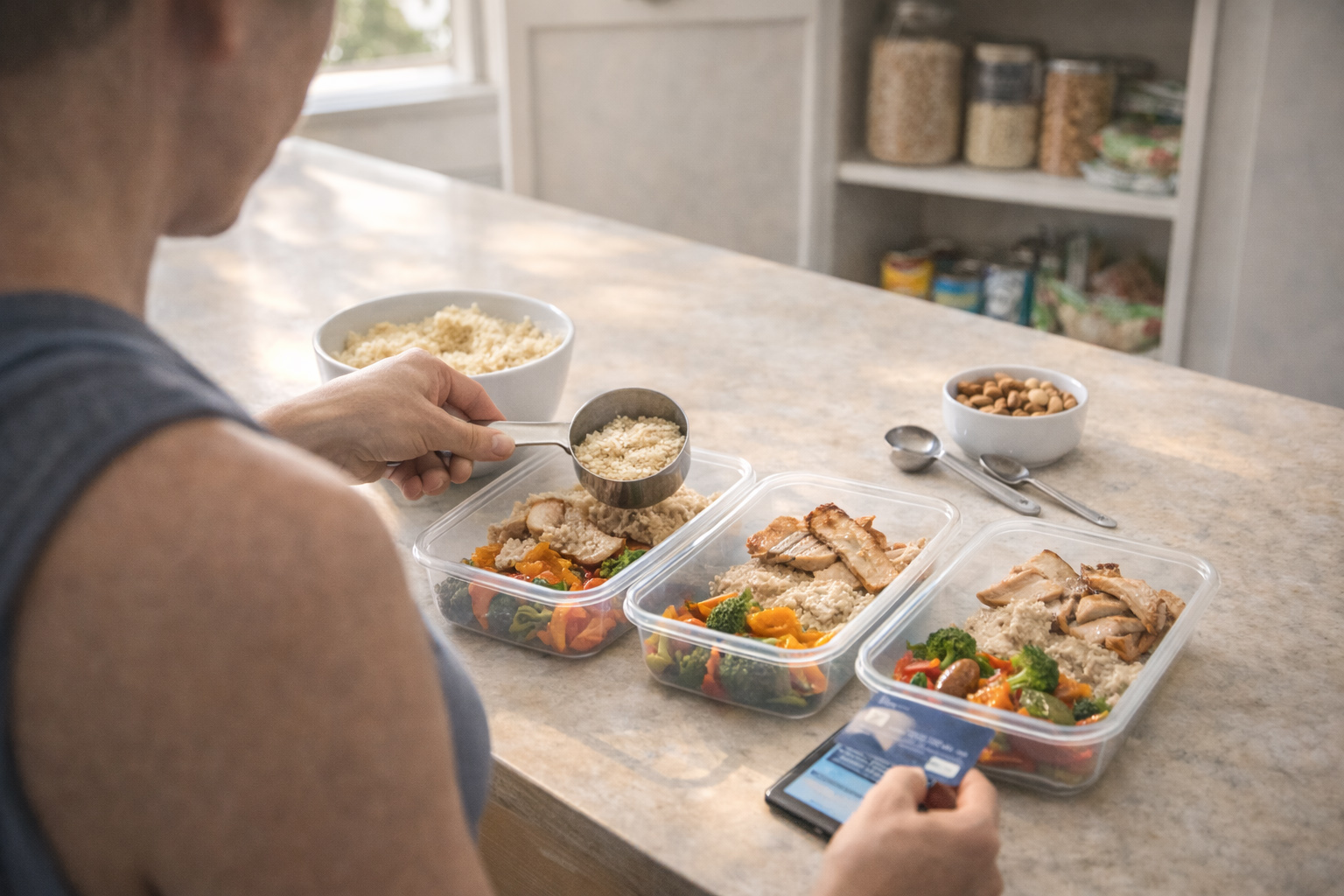
Creating reliable food routines makes it easier to maintain consistent progress with home training. Small, repeatable choices around meal timing, portioning, and ingredients reduce decision fatigue and keep energy steady throughout the day. This article outlines practical habits you can adopt in a regular kitchen routine without dramatic recipes or complicated plans. The focus is on simple swaps, planning strategies, and quick templates that align with common training goals and busy schedules.
These suggestions are adaptable and meant to be built into weekly habits. Start with one change and layer others over time to develop lasting routines.
Establishing a Practical Meal Rhythm
Consistent meal timing helps regulate appetite and supports steady energy for workouts. Aim to balance meals and snacks so you have fuel available before a session and nutrients afterward to support recovery. A practical rhythm might include a modest breakfast, a substantial lunch, a pre-workout snack if training later, and a protein-focused dinner. Consistency matters more than perfection; regular timing helps your body anticipate fuel and can improve performance and recovery.
Test different timing windows to find what fits your schedule and training intensity. Adjust portions rather than overhaul what you eat.
Smart Pantry Choices to Simplify Cooking
Stocking versatile staples makes it easier to assemble balanced meals quickly. Keep shelf-stable grains, canned legumes, a selection of nuts or seeds, and simple condiments for flavor. Fresh or frozen vegetables and lean proteins round out the pantry for straightforward plate building. When ingredients are accessible, you’re more likely to prepare food at home and avoid convenience choices that don’t support training.
- Whole grains like oats, rice, or quinoa for steady carbohydrates.
- Canned beans and legumes for quick plant-based protein.
- Frozen vegetables to add fiber and micronutrients without spoilage.
Rotate staples so meals don’t become repetitive and experiment with seasoning to keep dishes interesting. Purchase a few versatile items that pair with many recipes.
Quick Templates for Balanced Meals
Using meal templates reduces planning time and ensures nutritional balance on every plate. A simple template: one portion of lean protein, one portion of complex carbohydrate, and vegetables or salad to fill the rest. For snacks, pair a carbohydrate with a protein or fat source to sustain energy between meals. Templates let you swap ingredients freely while preserving macronutrient balance.
Create a short list of go-to combinations and reuse them across the week. That repetition increases efficiency and supports consistent nutrition.
Conclusion
Build small, actionable routines around meal timing, pantry organization, and meal templates to support your home training. Start with one habit and gradually incorporate others to create a sustainable system. Over time these simple practices make consistent nutrition easier and more effective for reaching your goals.