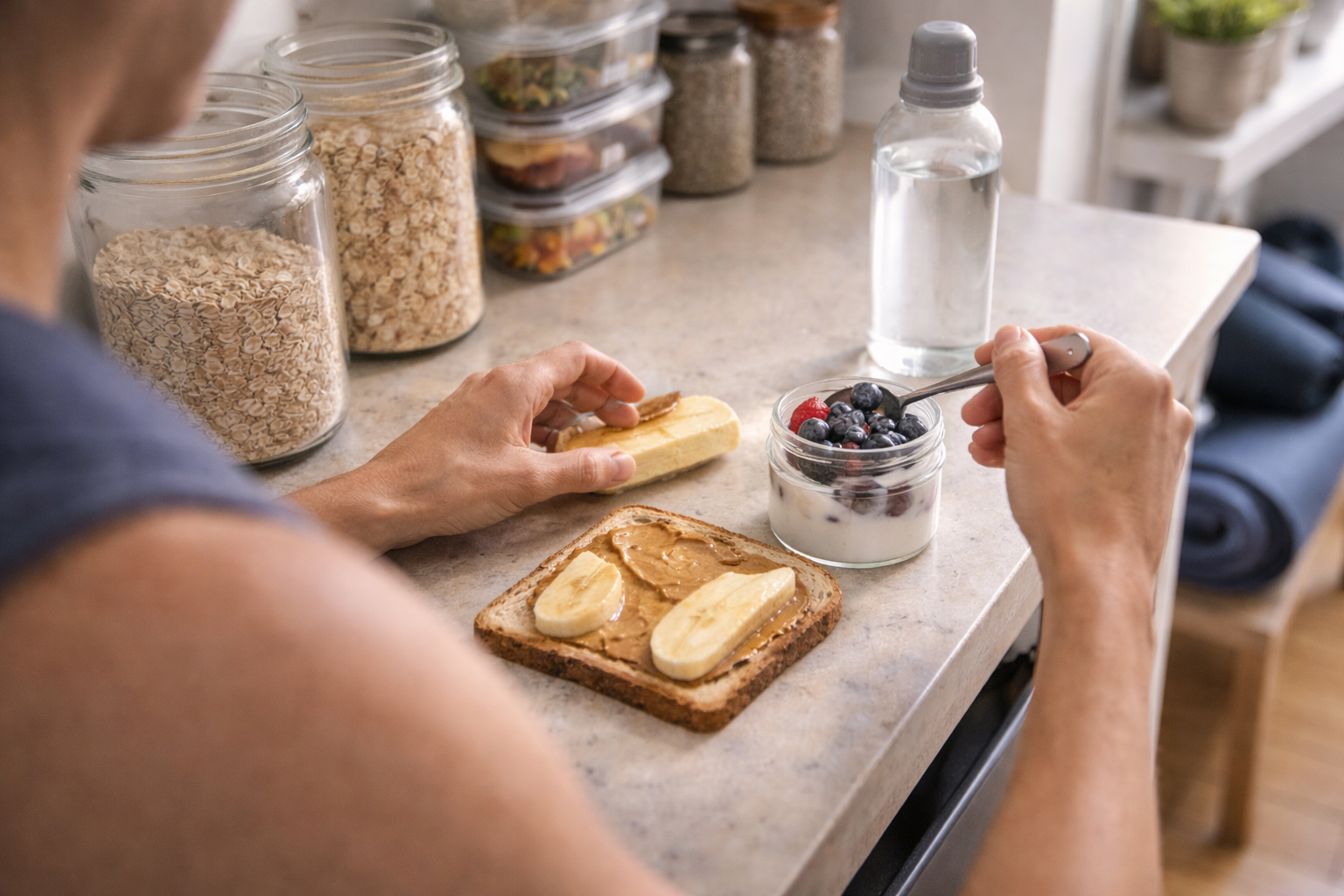
Small, deliberate adjustments in your kitchen can have a measurable impact on how you feel during and after home workouts. Prioritizing simple staples, portion awareness, and timing helps maintain steady energy and supports recovery without overhauling your routine. This article highlights practical habits that fit busy schedules and limited kitchen space. Apply a few of these ideas and you can see consistent improvements in performance and recovery.
Smart Pantry Foundations
Building a workout-friendly pantry begins with versatile, minimally processed ingredients that store well and combine easily. Focus on whole grains, legumes, shelf-stable proteins, and healthy fats to create balanced meals quickly. These items make it easier to assemble carbohydrate-plus-protein combinations that fuel training and aid muscle repair. A resilient pantry reduces reliance on convenience foods that often lack the right ratio of nutrients.
- Rolled oats for breakfasts and smoothies
- Canned beans and lentils for fast proteins
- Nut butters and seeds for healthy fats
- Frozen fruit and vegetables for micronutrients
Keep these staples visible and within reach to simplify meal decisions. Rotating what you use helps prevent waste and keeps meals interesting.
Meal Prep That Supports Energy and Strength
A modest meal-prep routine that takes one hour a week can save time and stabilize your nutrition through busy days. Cook a grain, roast a protein, and chop vegetables to mix and match meals in minutes. Portioning meals into containers encourages consistent intake and prevents skipping balanced meals before workouts. Prepping items in neutral flavors also allows flexibility across recipes and reduces decision fatigue.
Consider batching components rather than full meals to maintain variety. This approach makes it easier to adapt portions to the intensity of your training sessions.
Snack and Recovery Timing
When you eat is often as important as what you eat, especially around workouts at home. Aim for a small carbohydrate-plus-protein snack 30–90 minutes before exercise when you need quick energy, and a recovery snack within 45 minutes after to support muscle refueling. Hydration is equally important; keep water accessible and consider a sodium-containing snack after long sessions to aid electrolyte balance. Mindful snacking keeps energy steady without heavy meals that can slow performance.
- Pre-workout: banana with nut butter or yogurt and berries
- Post-workout: cottage cheese with fruit or a whole-grain wrap with turkey
Simple timing habits like these improve recovery and make consistent training easier. Adjust portions based on workout length and intensity.
Conclusion
Small, sustainable kitchen changes can support better energy, recovery, and consistency for home workouts. Focus on staple ingredients, simple meal prep, and thoughtful snack timing to make nutrition practical. Over time these modest habits compound into noticeable performance and wellbeing improvements.