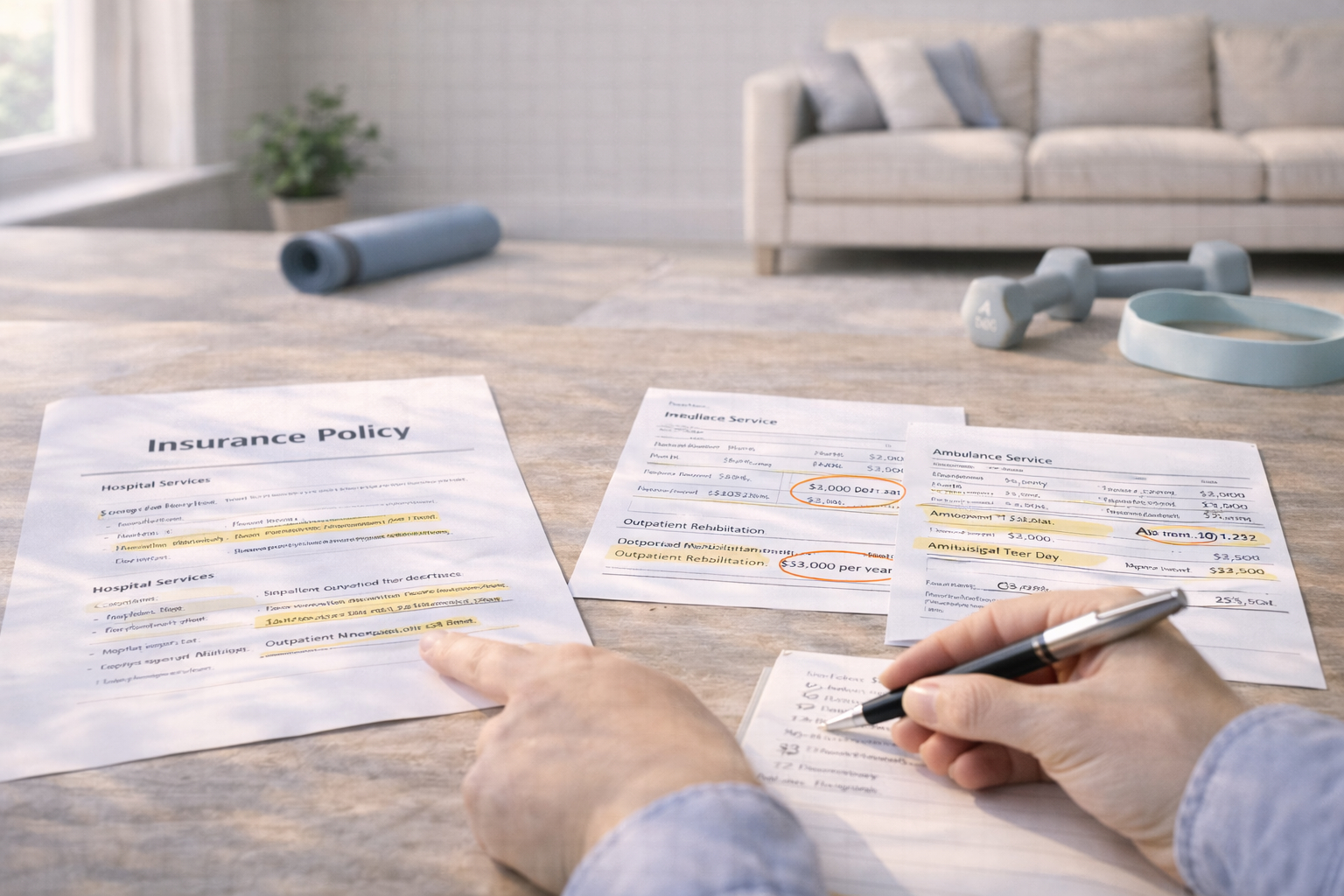
Exercising at home offers flexibility, cost savings, and convenience, but it also shifts responsibility for safety and injury prevention onto individuals. Choosing the right medical coverage helps protect against unexpected costs from strains, falls, or equipment-related accidents. Understanding common policy terms and exclusions can reduce surprises when you need care. This article outlines practical considerations to align insurance with an active home routine.
Understanding policy basics
Start by reviewing core elements such as deductibles, out-of-pocket maximums, and network restrictions to see how they affect access to care and cost during a claim. Check whether primary care visits, urgent care, and physical therapy require prior authorization or referrals. Pay attention to how pre-existing conditions and routine preventative visits are handled, since exercise-related problems can sometimes intersect with chronic issues. Clear knowledge of these basics makes it easier to estimate your likely financial exposure if you need treatment.
Ask for policy summaries and scenario examples from your insurer to clarify coverage in real-world situations. Comparing quotes with similar benefit structures can reveal meaningful differences in total cost and convenience.
Coverage specifics for home exercise incidents
Not all policies explicitly address injuries sustained during home workouts, so review the wording around accidental injuries and activity exclusions. Look for coverage of common post-exercise services like diagnostic imaging, physical therapy, and specialist visits that often follow strains or sprains. If you use equipment or participate in higher-risk activities at home, verify whether any exclusions apply to those circumstances. Understanding limits on rehabilitation services is particularly important for getting back to activity safely.
- Check limits for physical therapy visits and whether therapy requires pre-authorization.
- Confirm if coverage applies to telehealth consultations after a workout injury.
- Ask about emergency care and ambulance coverage for severe incidents.
These details help you plan both immediate care and longer-term recovery without unexpected gaps. Keep documentation of any incident and follow insurer procedures for claims to avoid denials.
Practical tips to tailor your plan
Consider adding riders or supplemental plans for outpatient rehabilitation if your base policy provides minimal therapy benefits. Maintain a network of providers, including sports medicine specialists and physical therapists, who accept your plan to streamline care. Regularly update your insurer about changes in activity level or equipment use that might affect risk categorization. Also, keep a small emergency fund for copays and deductibles to avoid delaying necessary treatment.
Review your coverage annually and before making major changes to your routine so your insurance keeps pace with your habits. A little preparation reduces stress if an injury occurs and speeds the return to regular exercise.
Conclusion
Selecting medical insurance with clear coverage for common home-exercise injuries and rehabilitation makes recovery more manageable. Focus on policy terms, therapy limits, and provider access to ensure timely, affordable care. Regular reviews and small adjustments help keep your plan aligned with how you train at home.