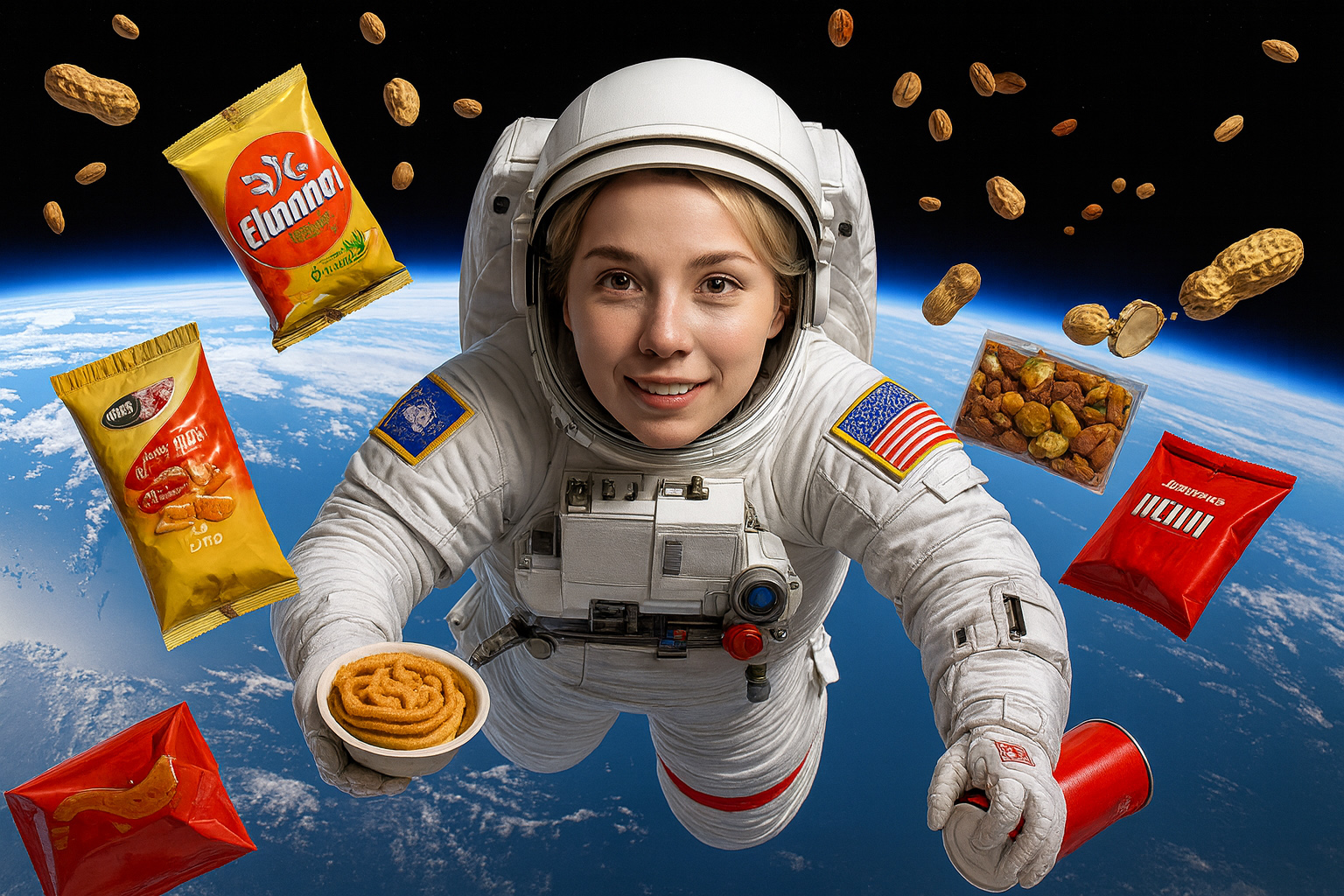
Life in space comes with unique challenges, and one of the most important is food. Astronauts need meals that provide essential nutrition, remain safe to store, and can be consumed in microgravity. Over the decades, space agencies like NASA have developed specialized food systems that ensure astronauts stay healthy and energized during missions beyond Earth.
Early Space Food
In the early years of space exploration, food was extremely limited. Astronauts ate pureed meals in tubes or small dehydrated cubes that were often unappetizing. While these foods met nutritional needs, they lacked variety and appeal. Over time, agencies recognized that food was not just about sustenance but also about morale, leading to major improvements in space menus.
Modern Space Cuisine
Today, astronauts enjoy a much wider selection of meals. Freeze-dried and thermostabilized foods are common because they can be stored for long periods without refrigeration. Meals include soups, pasta, rice, meat, and even international dishes like curries or tortillas. Tortillas replaced bread in space because they don’t produce crumbs, which could damage equipment or be inhaled in microgravity.
Nutritional and Psychological Needs
Astronauts burn more calories in space due to the physical demands of microgravity, so meals are designed to be calorie-dense and rich in protein. At the same time, food has a psychological role—familiar and flavorful meals provide comfort during long missions. Variety and cultural sensitivity are considered, astronauts from different countries contribute to the space menu.
The Future of Space Food
As missions to Mars and deep space are planned, researchers are exploring new solutions for food sustainability. Ideas include growing fresh vegetables aboard spacecraft, 3D-printed meals, and using bioreactors to produce proteins. These innovations aim to reduce reliance on stored food and support astronauts on year-long journeys.
Conclusion
Food in space has come a long way from unappealing tubes to carefully crafted, diverse menus. Beyond nutrition, meals help maintain morale and mental well-being during challenging missions. As humanity prepares for longer journeys beyond Earth, the evolution of space food will play a vital role in ensuring astronauts not only survive but thrive.