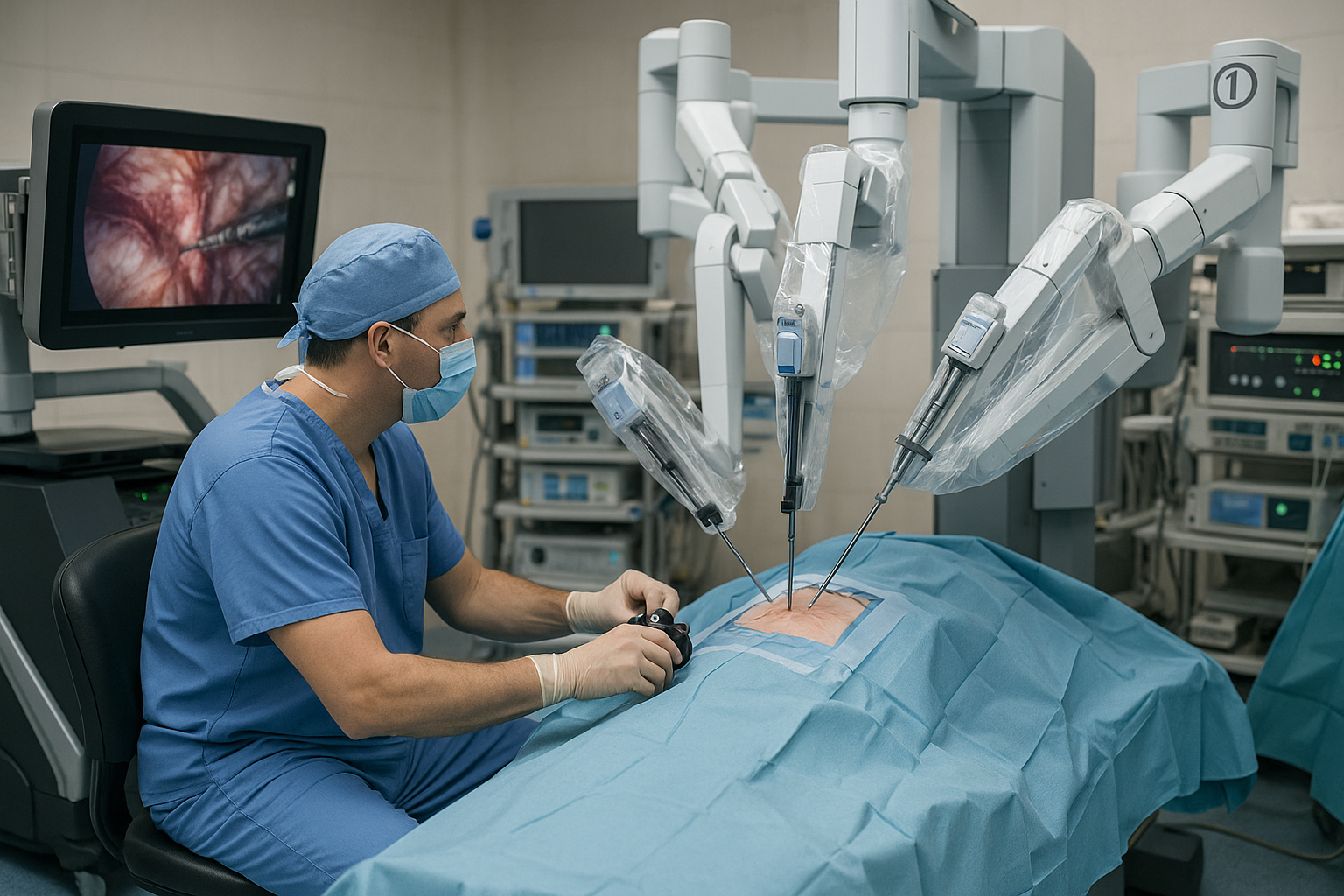
Modern surgery is undergoing a remarkable transformation as robotics becomes a trusted partner in operating rooms. These systems are reshaping surgical workflows, improving precision, and enhancing patient outcomes. For both surgeons and patients, robotic-assisted procedures are creating a new era of safer, more accurate, and minimally invasive care. This shift is not just technological—it represents a change in how medicine approaches its most delicate challenges.
Greater Precision and Control
Robotic systems give surgeons unmatched precision, enabling them to perform procedures that demand steady, ultra-fine movements. At advanced consoles, surgeons guide robotic arms equipped with micro-instruments that move more smoothly than the human hand. This capability is especially valuable in cardiac, neurological, and urological surgeries, where precision is essential.
Minimally Invasive Advancements
A major advantage of robotic technology is its contribution to minimally invasive surgery. Instead of large incisions, robotic instruments work through tiny entry points. This reduces physical trauma, minimizes bleeding, and shortens recovery time. Patients often leave the hospital sooner and return to normal routines faster, making robotic-assisted procedures increasingly preferred.
Enhanced Visualization for Surgeons
Most robotic platforms include high-definition, 3D visualization systems that give surgeons a clearer, more detailed view of the surgical field. This enhanced visibility makes it easier to navigate delicate structures and reduces the likelihood of complications. With such clarity, surgeons can carry out complex tasks with greater confidence and precision.
Improved Safety and Consistency
Surgical robotics also improve consistency. Unlike human hands that may tire, robotic instruments remain steady throughout the entire operation. This reliability lowers the risk of errors and supports smoother, more predictable outcomes. Some systems even integrate real-time data to help surgeons make faster, more accurate decisions.
Expanding Access to Specialized Care
Robotic systems are helping widen access to advanced surgical expertise. With remote-assisted technologies, highly trained surgeons can guide or even perform procedures from distant locations. This innovation brings top-tier medical care to hospitals and patients who may not otherwise have access to specialists.
Conclusion
Robotics is reshaping modern surgery by combining precision, safety, and innovation. Surgeons can work more effectively, and patients benefit from smaller incisions, quicker recovery, and improved outcomes. As advancements continue, robotics will play an even greater role in shaping the future of surgical care.