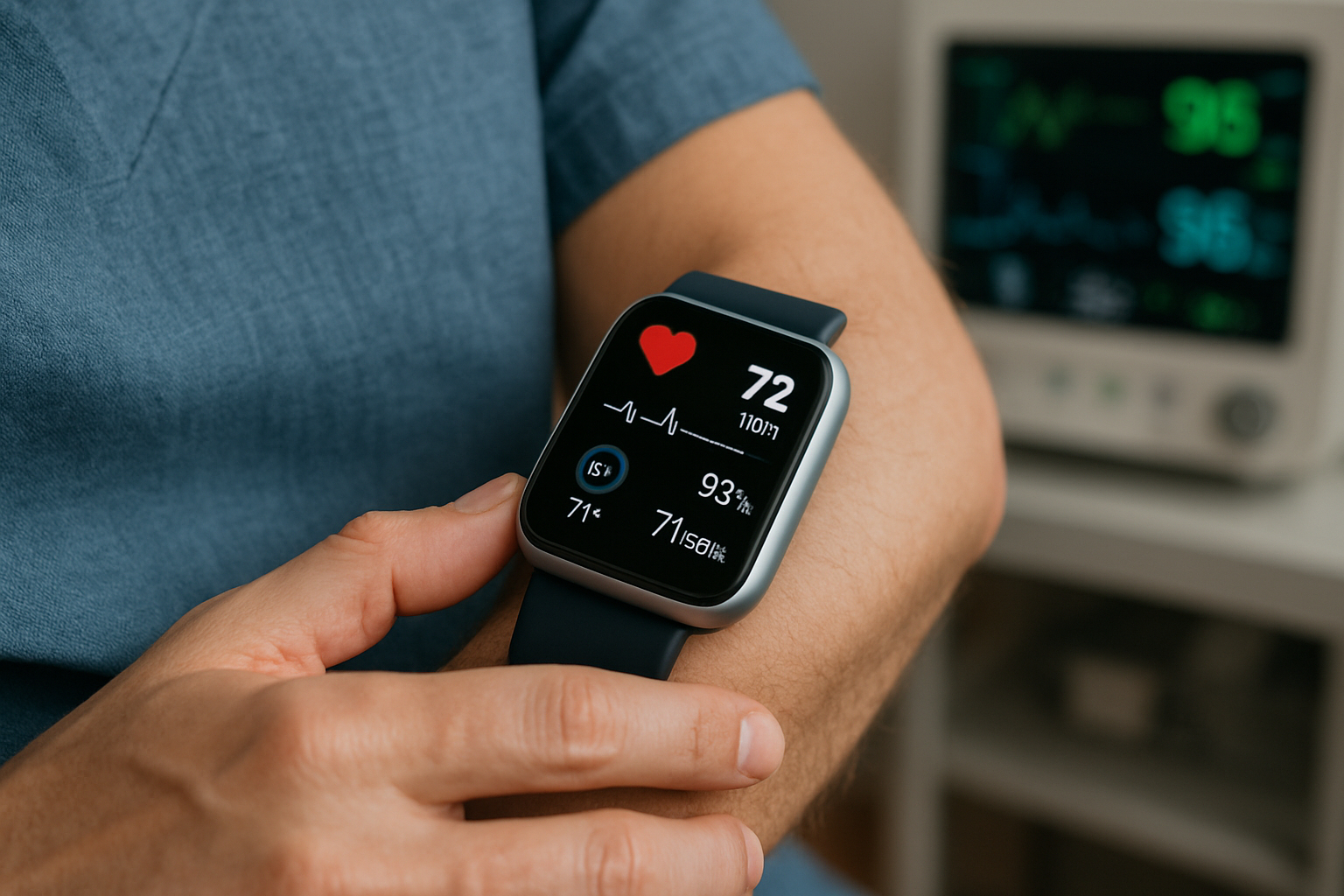
Medical wearables are transforming how people manage health on a daily basis. These small, intelligent devices track vital signs, send alerts, and support faster medical decisions. Whether used for chronic conditions or general wellness, real-time monitoring empowers individuals to stay informed and proactive. As technology grows more sophisticated, wearables are becoming an essential part of modern healthcare.
Continuous Tracking That Supports Better Health
One of the biggest strengths of medical wearables is their ability to track health metrics continuously. Devices can monitor heart rate, blood oxygen levels, sleep patterns, physical activity, and more. This constant stream of information helps individuals recognize early changes and make smarter lifestyle choices. For people managing conditions like diabetes or hypertension, wearables deliver timely data that can support daily treatment routines.
Real-Time Alerts for Faster Response
Real-time monitoring allows wearables to provide instant alerts when something appears unusual. Sudden drops in heart rate, irregular rhythms, or oxygen changes can trigger notifications for both users and healthcare professionals. This quick response helps reduce risk and allows problems to be addressed before they escalate. For seniors or individuals with high-risk conditions, these alerts offer peace of mind and life-saving support.
Stronger Connection Between Patients and Providers
Wearable devices create a closer connection between patients and healthcare providers. Data can be shared automatically, allowing doctors to review trends instead of relying only on in-person visits. This leads to more accurate evaluations and personalized treatment plans. Remote monitoring also supports telehealth, helping individuals receive quality care without frequent office trips.
Improved Long-Term Outcomes
When individuals receive consistent feedback about their health, they often become more engaged in their wellness goals. Real-time data encourages better habits and helps users understand how daily choices affect their bodies. Over time, this leads to stronger outcomes, fewer complications, and better disease management. Wearables also help spot patterns that may otherwise go unnoticed.
Conclusion
Medical wearables are reshaping healthcare through constant monitoring, immediate alerts, and improved communication. They help individuals stay informed and give providers the insights needed for personalized care. As technology advances, wearables will continue to make real-time health tracking easier, smarter, and more powerful for everyday life.