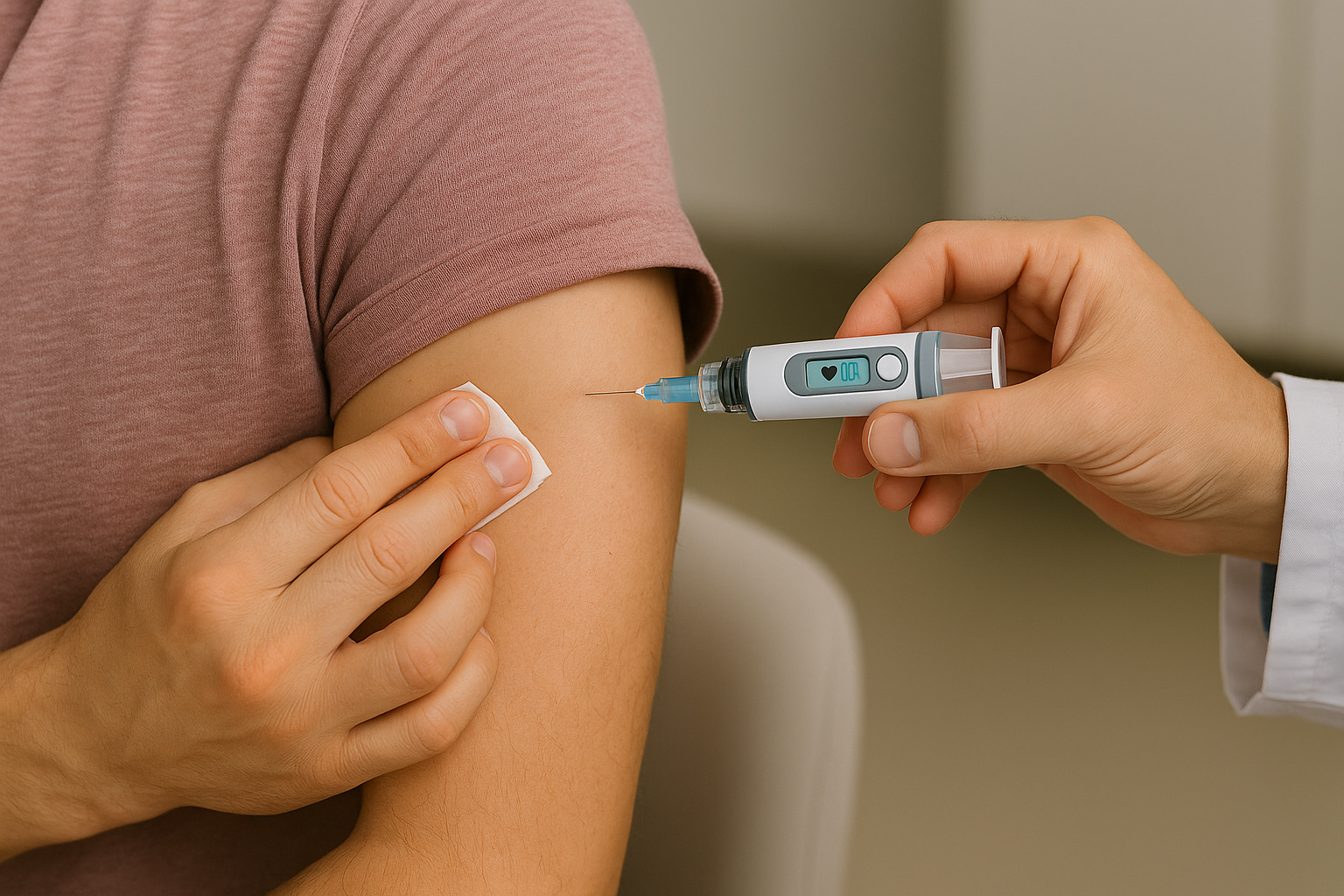
Modern medicine is moving rapidly toward treatments that personalize themselves in real time. Smart injections—advanced needles equipped with tiny sensors—represent one of the most exciting breakthroughs in patient-centered healthcare. Rather than simply delivering medication, these devices can measure the body’s immediate response, adjust dosage, and provide instant clinical insights. This shift is transforming routine injections into intelligent, data-driven experiences that improve safety, precision, and treatment outcomes.
Real-Time Monitoring for Safer Delivery
Smart injection devices contain micro-sensors that detect biological feedback as the medication enters the body. They can measure pressure, flow rate, resistance, and even biochemical markers within seconds. If something is off—such as improper needle placement or abnormal tissue response—the device alerts the healthcare professional instantly. This reduces risks and ensures safer, more controlled delivery.
Personalized Dosing Based on Body Signals
One of the biggest advantages of smart injections is adaptive dosing. Instead of giving a fixed amount to every patient, the device can adjust based on real-time data. Factors like muscle density, skin resistance, hydration, or local tissue conditions influence how medication is absorbed. Smart needles interpret these signals and fine-tune the dose for maximum effectiveness with minimal side effects.
Enhanced Accuracy for Complex Treatments
Certain medications—such as biologics, gene therapies, and specialty injectables—require precise delivery conditions. A slight variation in pressure or temperature can influence treatment performance. Smart injections maintain consistency automatically, ensuring each patient receives the therapy exactly as intended. This level of precision supports future innovations like at-home injectable therapies and remote patient monitoring.
Empowering Both Patients and Clinicians
Smart injection devices collect valuable data that can be shared directly with electronic health systems. This gives clinicians a clearer picture of how the body responds to treatment over time. For patients, the experience becomes more comfortable and reassuring, especially for those who manage chronic conditions requiring frequent injections. The technology creates transparency and reduces anxiety by eliminating guesswork.
Conclusion
Smart injections signal a major evolution in medication delivery, shifting from traditional one-way administration to intelligent, responsive care. By measuring body responses, adjusting dosing, and offering instant safety feedback, these advanced devices elevate precision and improve patient outcomes. As healthcare continues to embrace digital innovation, smart injection technology will play a foundational role in shaping the future of treatment.