Living with musculoskeletal pain or joint weakness can make daily tasks harder and reduce confidence.
A thoughtful, progressive approach at home helps rebuild strength, improve mobility and lessen flare-ups over time.
This article outlines a clear, practical framework that balances gentle movement, incremental loading and recovery.
Use these principles to design sessions that feel manageable and sustainable for long-term improvement.
Gentle mobility to prepare the body
Start every session with controlled mobility to restore range and reduce stiffness without provoking pain.
Focus on slow, pain-free movements through comfortable ranges for joints you will target that day.
Short sets of 8-12 slow repetitions and mindful breath help establish movement patterns before loading.
Gentle variations promote circulation and set a safe foundation for strength work to follow.
- Spinal circles and gentle twists.
- Ankle pumps and toe lifts.
- Shoulder rolls and scapular squeezes.
Keep movements short and intentional, stopping if symptoms increase.
These early steps make subsequent strengthening safer and more effective.
Progressive loading for rebuilding strength
Rebuilding strength requires gradually increasing the demand on muscles and connective tissues.
Begin with bodyweight or light resistance and focus on quality of movement rather than heavy loads.
Aim for 2-3 sets of 8-15 controlled repetitions, adding a small challenge every 1-2 weeks.
Track perceived effort so progression stays steady without triggering setbacks.
- Increase repetitions before adding weight.
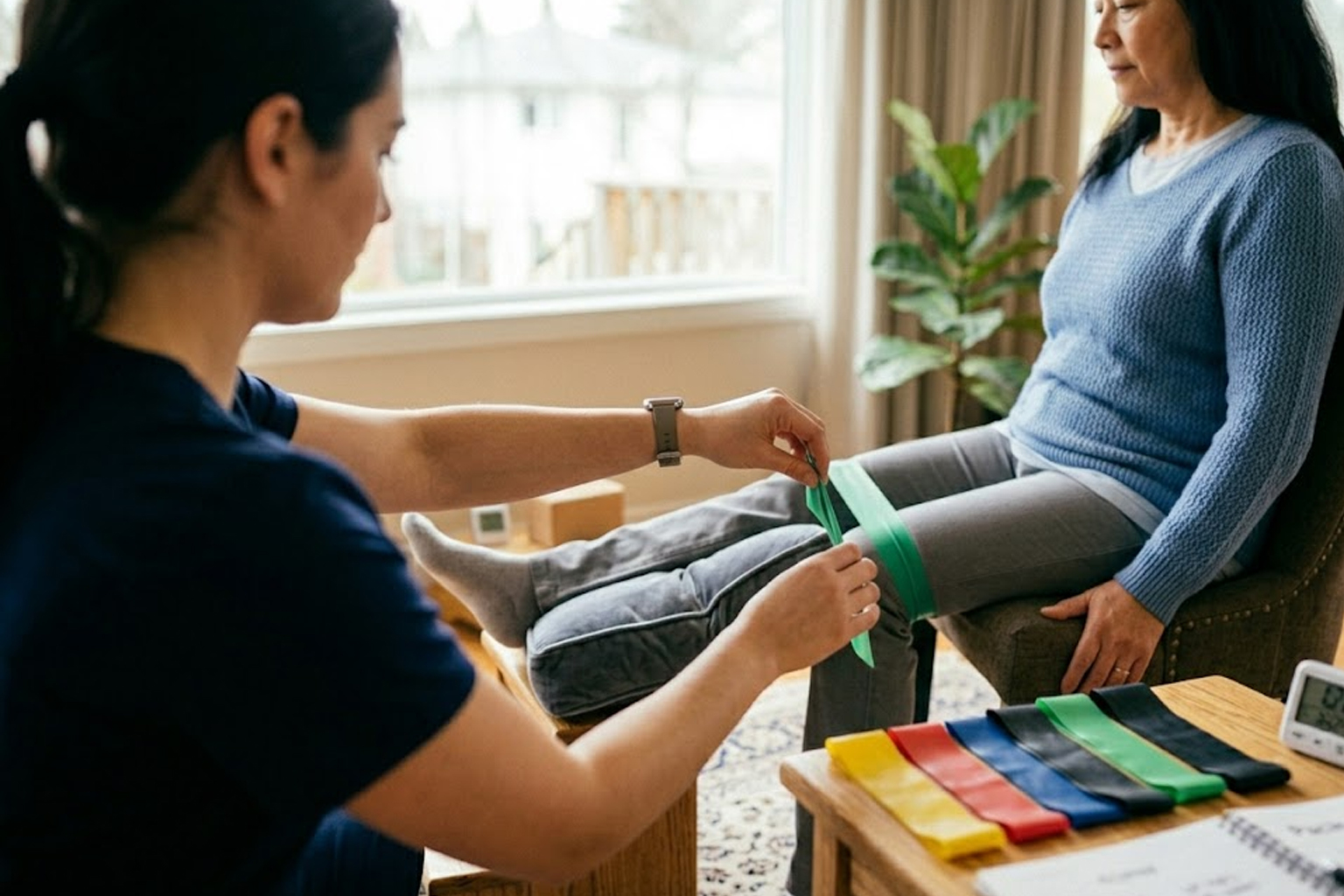
- Add light resistance bands or household weights.
- Adjust leverage or range to change difficulty.
Small, consistent increases rebuild capacity and resilience.
Consistency matters more than occasional intense sessions.
Balance recovery and activity to prevent flare-ups
Recovery strategies are as important as exercise for sustained gains and pain management.
Schedule short rest breaks, prioritize sleep and apply gentle self-care like heat or brief movement between tasks.
Use pacing: alternate higher-demand activities with lighter ones to avoid overloading sensitive tissues.
Monitoring symptoms helps you adjust activity and rest before issues escalate.
- Break tasks into shorter segments.
- Set timers for movement and rest cycles.
- Use simple self-care between tasks.
A balanced plan reduces the risk of flare-ups and supports ongoing progress.
Over time, you can lengthen activity periods as tolerance improves.
Track progress and adapt
Regular tracking helps you see small gains and identify patterns that predict flare-ups.
Use simple measures like repetition counts, perceived effort and short movement tests to gauge change.
Photograph posture or note daily function tasks you can do more easily to maintain motivation.
Reviewing progress every 2-4 weeks lets you adjust intensity, frequency or exercise choices safely.
- Note reps and perceived effort each session.
- Record any activity triggers and recovery steps.
Consistent tracking turns subjective changes into actionable decisions.
Adaptation keeps the program aligned with recovery and long-term goals.
Conclusion
Rebuilding joint strength at home is a gradual, manageable process.
Emphasize gentle mobility, steady progressive loading and sensible recovery.
Small, consistent steps lead to meaningful improvements in function and comfort.