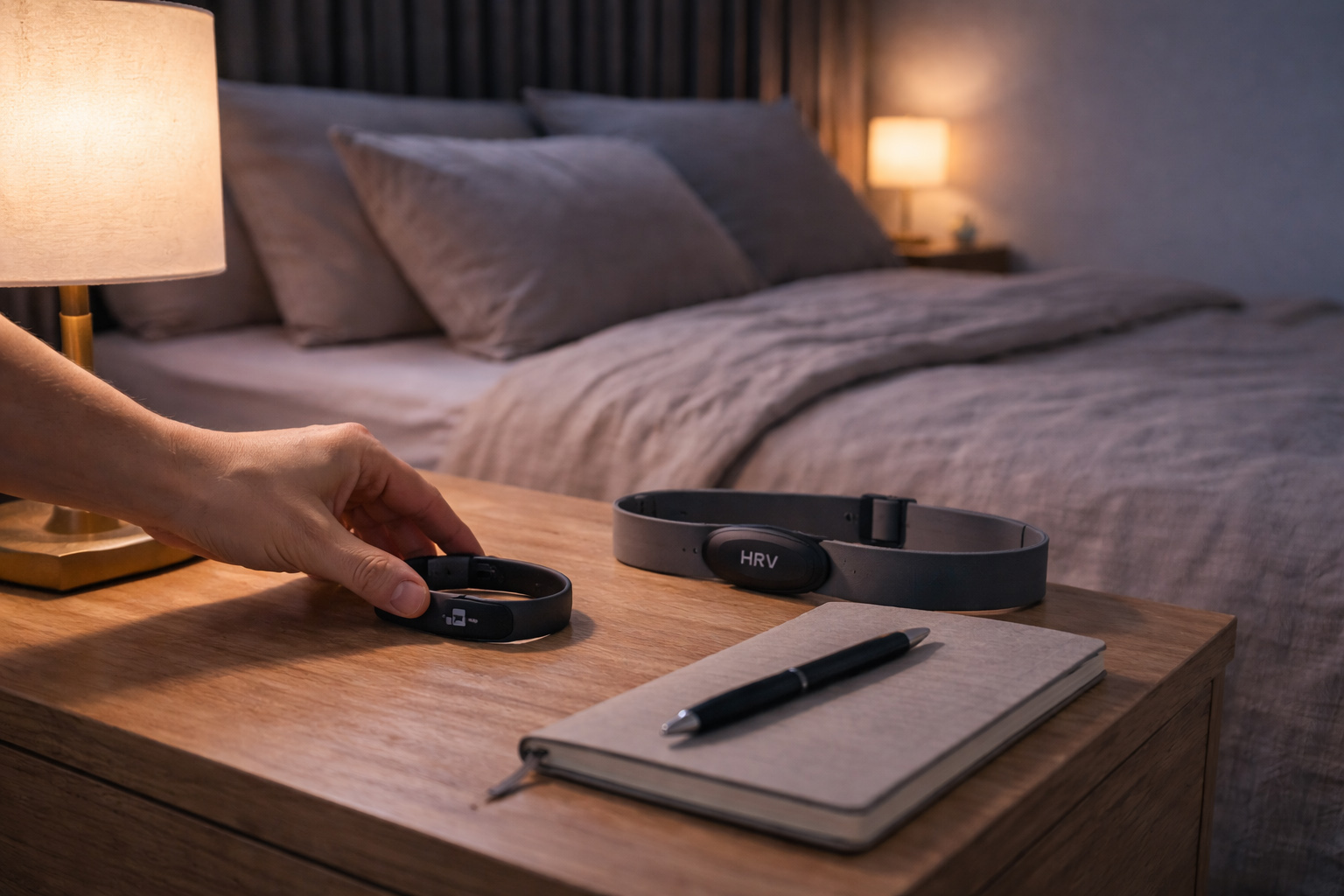
Tracking the right sleep metrics can transform how you approach recovery after exercise and daily stress. Rather than focusing only on hours slept, attention to sleep stages, continuity, and physiological signals reveals how restorative your rest truly is. Athletes and active adults can use accessible data to fine-tune training loads, nutrition, and bedtime habits for faster repair and improved performance. This article explains which metrics matter and practical steps to apply them without overcomplicating your routine.
How Sleep Affects Physical Recovery
Sleep is a primary window for tissue repair, hormonal regulation, and consolidation of training adaptations. Deep sleep supports growth hormone secretion and muscle repair, while REM sleep contributes to cognitive recovery and emotional processing that influence motivation and decision making. Fragmented or shallow sleep reduces these restorative functions, making it harder to recover between sessions and increasing injury risk. Monitoring sleep helps identify patterns that align—or conflict—with recovery goals.
Understanding these relationships lets you prioritize changes that yield measurable benefits. Small adjustments to sleep consistency or environment often translate to better recovery markers in days, not weeks.
Key Metrics to Monitor
Several accessible metrics give a clear picture of restorative sleep beyond total duration. Aim to track sleep stages, sleep efficiency, and physiological indicators that correlate with stress and recovery. Together these measures provide actionable insight into whether rest is supporting or undermining your recovery plan.
- Sleep stages: Percent time in deep (slow-wave) and REM sleep.
- Sleep efficiency: Ratio of time asleep to time in bed; high efficiency indicates consolidated rest.
- Heart rate variability (HRV): A higher nightly HRV generally signals better autonomic recovery.
Use trends rather than single nights to make decisions, and combine subjective notes on fatigue with objective data for the best view of recovery.
Improving Sleep Timing and Consistency
Keeping a regular sleep-wake schedule anchors circadian rhythms and enhances sleep quality. Going to bed and waking at similar times supports predictable timing of deep and REM cycles, which improves overall repair. Avoid large shifts on weekends or late-night training that can push your internal clock out of sync. Consistent timing also helps metabolic and hormonal systems recover more efficiently between sessions.
Gradual changes—15 to 30 minutes earlier or later—are easier to maintain and produce more durable improvements than abrupt shifts.
Creating a Restorative Sleep Environment
Environmental factors strongly influence the ability to reach deep, uninterrupted sleep. Aim for a cool, dark, and quiet bedroom, minimize screen exposure before bed, and reserve the bed for sleep rather than work or extended media use. Simple changes like blackout curtains, white noise, or a short pre-sleep wind-down can significantly increase sleep depth and continuity. Temperature in particular affects slow-wave sleep and should be adjusted to your personal comfort.
Combining environmental tweaks with consistent timing and tracking will compound benefits and make recovery more reliable.
Conclusion
Focusing on sleep quality metrics—stages, efficiency, and HRV—gives a clearer picture of recovery than hours alone. Implement small, consistent changes to timing and environment while tracking trends to guide adjustments. Over time this approach supports faster repair, better training adaptations, and more reliable performance.