Introduction
Creating a safe home workout environment reduces injury risk and makes regular exercise more sustainable. A practical approach balances space, equipment, and routine design to fit your abilities and goals. Small adjustments — like securing loose rugs or dedicating a clear floor area — can have a large impact on safety. This article outlines common considerations and easy steps to prepare your home for effective, low-risk exercise.
Assessing Space and Equipment
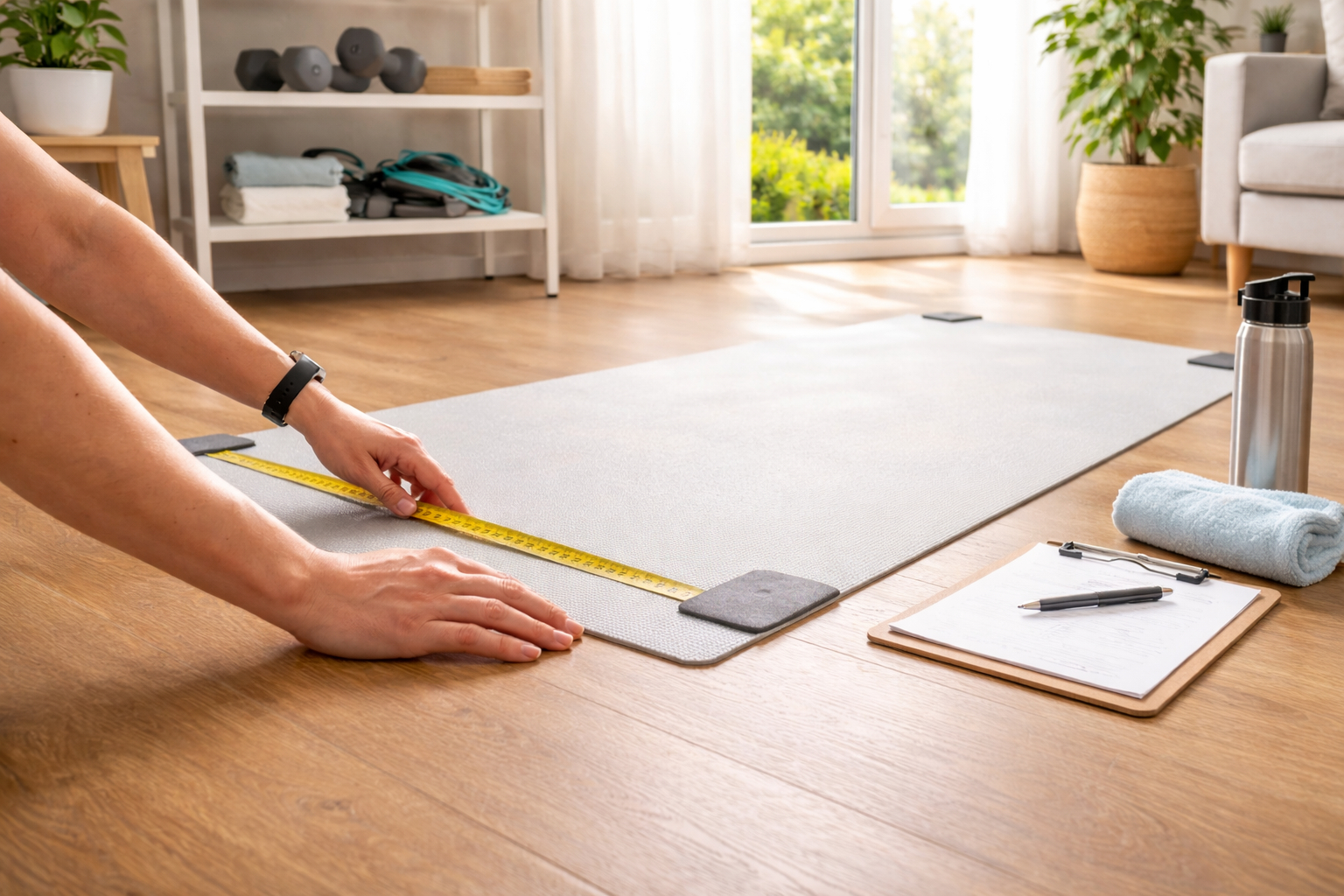
Begin by evaluating the area you plan to use: measure available floor space, check ceiling height for overhead movements, and consider traffic patterns that could interrupt a session. Inspect any equipment for wear, loose bolts, or frayed straps, and prioritize items with stable bases and clear user instructions. If you share the space, communicate boundaries so others do not accidentally enter during a workout. Clear visual and physical rules reduce interruptions and the chance of trips or collisions.
- Measure a clear exercise zone at least two arm spans wide for safe movement.
- Verify resistance bands and cords for tears before each session.
- Anchor mats on slippery floors with non-slip pads or tape.
Regularly revisiting this assessment helps you adapt as routines or household layouts change. Keeping a short checklist speeds up the pre-workout inspection.
Flooring and Layout Considerations
Flooring influences impact absorption and stability: choose a mat or surface that suits your typical workouts, balancing cushioning for joints with firm support for balance work. Remove tripping hazards, secure loose cables, and position equipment so you can move safely between exercises without obstruction. Lighting matters too; sufficient illumination reduces missteps and improves form when following screens or printed programs. Consider ventilation and temperature control to maintain comfort and reduce fatigue-related mistakes.
Organize gear in a way that encourages quick access and safe storage when not in use. A tidier layout supports consistent, safer practice over time.
Movement Patterns, Warm-up and Technique
Prioritize a brief dynamic warm-up to prepare muscles and joints for the specific demands of your session; this reduces acute strain and improves performance. Focus on controlled ranges of motion and gradual progression when introducing new exercises or increasing load. Use mirrors, recorded video, or a professional consultation to check form and detect compensations that could lead to overuse injuries. Breathing patterns and tempo also affect control and safety during exertion.
When in doubt, reduce intensity and emphasize technique until movement quality improves. Repeated, well-executed practice is safer and more effective than sporadic high-intensity sessions.
Tracking Progress and Knowing When to Seek Help
Keep a simple log of workouts, perceived effort, and any soreness to spot patterns that suggest overtraining or technique issues. If pain is persistent, sharp, or limits daily activities, consult a qualified healthcare or rehabilitation professional rather than self-diagnosing. Early professional input can prevent minor problems from becoming chronic conditions and can tailor modifications to your needs.
- Note persistent joint pain or swelling as a prompt to pause and evaluate.
- Use progressive overload principles to increase intensity gradually.
- Seek professional guidance for pre-existing conditions or complex symptoms.
Regular monitoring fosters safer progression and helps maintain motivation by highlighting steady improvements. A conservative, informed approach reduces long-term injury risk.
Conclusion
Preparing your home for exercise combines thoughtful space setup, equipment checks, and attention to movement quality. Simple consistency in warm-up, tracking, and storage habits prevents many common injuries. With incremental adjustments and awareness, home workouts can be both safe and effective.